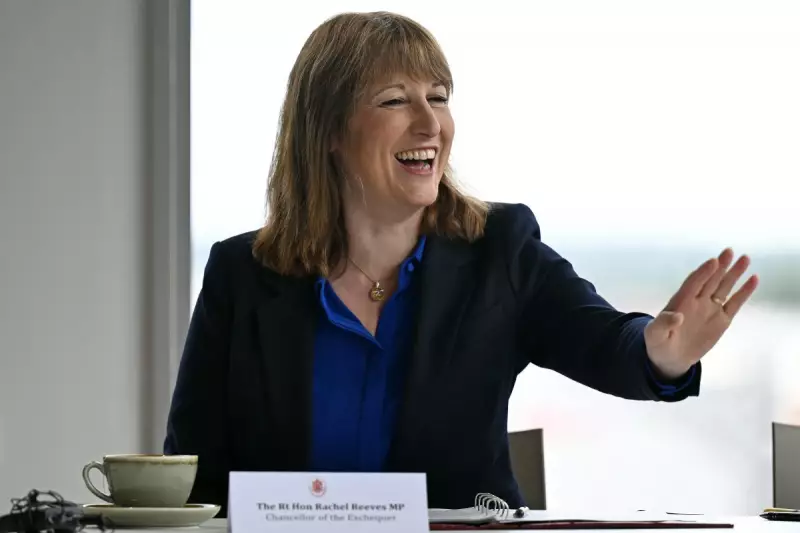
A bitter and unprecedented public dispute between Chancellor Rachel Reeves and the Office for Budget Responsibility (OBR) has dominated headlines, but a series of sobering long-term reports from the fiscal watchdog point to a far more profound danger for the UK economy.
The Unprecedented Feud Overshadows Deeper Concerns
The dramatic fallout, which saw OBR Chairman Richard Hughes resign, centres on short-term productivity forecasts and the timing of their disclosure ahead of the recent Budget. This public breakdown in relations is remarkable given that Reeves praised and legislated to strengthen the OBR upon taking office in July 2024. However, the OBR's separate analyses of the UK's structural fiscal health present a troubling picture that extends far beyond the current political drama.
An Economy on a Dangerous Fiscal Path
In a July report titled Fiscal Risks and Sustainability, Richard Hughes highlighted alarming comparative data. The analysis of 36 advanced economies showed the UK has the 6th highest public sector debt relative to GDP, the 5th highest deficit, and the 3rd highest interest rates on government debt. Public debt is currently around 100% of GDP, a critical threshold where the risk of a loss of market confidence and sharply rising borrowing costs increases significantly.

This combination of high debt, persistent deficit spending, and elevated interest rates creates a potent mix that could easily trigger a crisis of confidence in UK government bonds, with severe consequences for public finances and the wider economy.
Super-Tanker Trends Heading for the 2030s
An even more concerning OBR report from September 2024 examined the drivers of public finances into the 2030s and beyond. It identified several inexorable, long-term pressures:
- Rising healthcare demand: Spending on health as a percentage of GDP is set to climb continuously across the West, a problem exacerbated in the UK by the overall poor health of the population.
- Demographic change: An ageing population means more pensioners to support, funded by a shrinking base of working-age taxpayers.
- Taxation disincentives: The OBR warns that significantly higher taxes to meet these demands could themselves deter economic effort and innovation.
The OBR stresses the uncertainties in such long-range projections but is clear in its overarching message: these are "super-tanker" trends that are difficult to turn around. If they are not addressed, the UK is on a path toward financial bankruptcy.
While the political row over short-term forecasts may eventually subside, the structural challenges outlined by the OBR represent a fundamental threat to the UK's economic future, demanding serious and sustained policy attention.