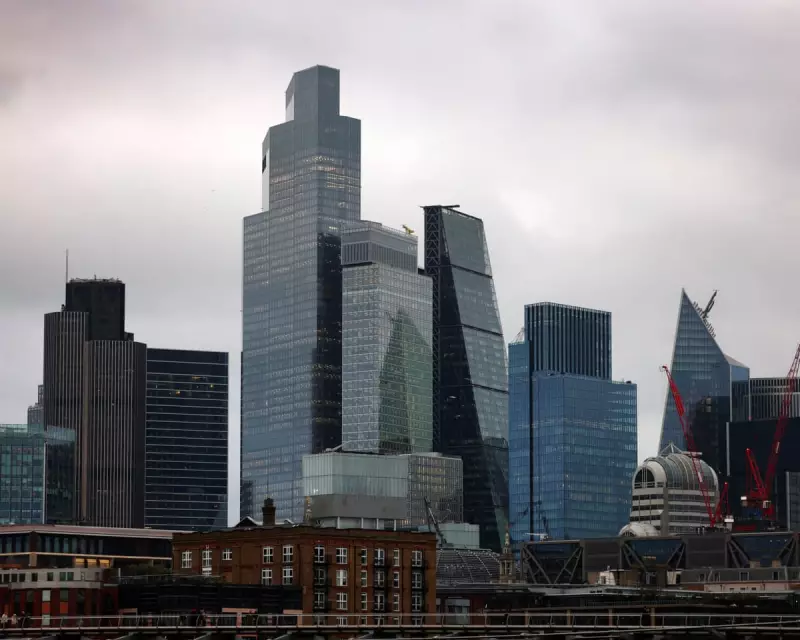
A damning report from the House of Lords has accused the UK Treasury of having a "limited grasp" of the potential dangers posed by the rapidly expanding shadow banking sector, raising fears that officials are unprepared for risks to the nation's financial stability.
A Sector Quadrupled in Size
The Lords Financial Services Regulation Committee highlighted that the non-bank financial sector, often called shadow banking, has ballooned in value from $4 trillion in 2008 to a staggering $16 trillion (£12tn) today. This largely unregulated industry includes private equity firms and private credit lenders that compete with traditional high street banks.
The committee's investigation concluded that evidence from the Treasury "demonstrated a limited grasp of the concerns raised" and suggested a worrying "passivity in the face of potential risks." This is particularly alarming given the Treasury's ultimate responsibility for safeguarding overall financial stability and preventing the taxpayer from becoming a backstop for the system.

UK on the Frontline of Potential Fallout
The report delivers a stark warning: due to its status as a global financial hub with deep ties to US markets, the UK could be among the first countries to feel the fallout from a downturn in the US-dominated shadow banking world. The sector is deeply entangled with mainstream UK insurers and banks, which invest and lend money to it.
This interconnection means trouble in shadow banking could quickly spread. The International Monetary Fund cautioned last year that a slump in private credit could send ripple effects across the entire financial system, potentially destabilising the traditional banks that support it.
Echoes of Past Crises
Bank of England Governor Andrew Bailey voiced his own concerns to the Lords inquiry in October. He pointed to the collapse of two US auto finance firms that borrowed from private markets, which raised red flags about weak lending standards. Bailey noted there were worrying echoes of the sub-prime mortgage practices that triggered the 2008 financial crisis.
In response to the growing threat, the Bank of England is preparing to launch a stress test of the private credit industry. This exercise aims to map out the potential risks linked to the sector's explosive growth, including whether it could amplify future financial or economic shocks.
Lord Michael Forsyth, chair of the committee, stated: "The Bank of England, the Financial Conduct Authority and the Prudential Regulation Authority are right to be vigilant and to monitor the dramatic growth of private markets and the implications for financial stability."
A Treasury spokesperson defended the government's position, saying: "We have worked together with the regulators to significantly increase our focus on non-banks sectors in recent years and have a robust, flexible framework to protect financial stability." The Treasury added it would respond to the report in due course.