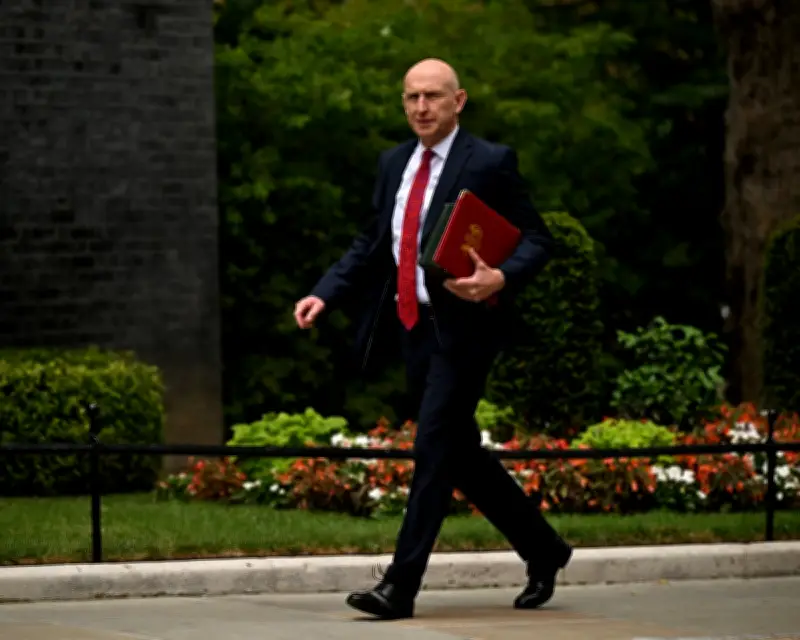
John Healey strode out for his first cabinet meeting as chancellor on Tuesday, having largely avoided alignment with any faction. The diligent, popular, and unexpected pick for the Treasury has been given a straitjacket: funding Prime Minister Andy Burnham's policy promises without raising income tax, VAT, or national insurance, and sticking to the last government's borrowing rules.
Healey, formerly defence secretary, is known for his work ethic—even tethering a desk inside a military aircraft to read papers while traveling abroad. Allies say his shared commitment to re-industrialisation and devolution with Burnham, along with his ability to unite a fractured party without scaring markets, made him the safe choice after a vicious briefing war between allies of other candidates.
Ideological Drive Beneath the Surface
Many who know Healey say he is more ideologically driven than he may seem. One Labour official warned: “This is being billed as equivalent to Gordon Brown appointing Alistair Darling—but it turned out Darling had views of his own which did not always chime with Brown’s. Andy has to avoid making the same mistake.” Healey must find money for higher defence spending, taking utilities into public control, and cutting voters' living costs.

Unique Position to Unite Labour
Since entering parliament in 1997, Healey has avoided attachment to one faction. He served in the Treasury for five years under Gordon Brown but was respected by the opposing Blairite camp. Recently, he bridged the gap between allies of former PM Keir Starmer and the soft left. His personal warmth—involving junior staff in discussions and remembering names—helps him appeal across wings.
David Walker, bishop of Manchester, recalled voting for Healey as Labour candidate for Wentworth in 1997: “One thing that impressed us was that John was committed to living in the community and putting down roots here. He always turned up to community events, even when busy with national politics.” Luke Pollard, his former MoD colleague, called him “genuinely the finest and most decent man I’ve worked with since being elected.”
Defence Spending and the Resignation
As defence secretary, Healey earned a reputation as a strong ally of the armed forces, prioritising repair of dilapidated military housing. However, when he asked the Treasury for an extra £28bn to fund the defence investment plan (Dip) after negotiating a multi-year budget, then-chancellor Rachel Reeves was infuriated. Her allies said Healey had been hoodwinked by service chiefs into believing the strategic defence review was fully funded. Healey’s allies countered that additional geopolitical commitments—including peacekeeping roles in Ukraine and the Gulf—required more money.
One former government official said the row showed Healey is “definitely not a fiscal hawk—he is a big spender.” Healey resigned in protest days before the Dip, which some believe was part of a deal with Burnham to become chancellor. Wes Streeting, his successor as defence secretary, suggested additional money could come from cuts elsewhere: “We understand the sacrifices that involves from other government departments.”
The Chancellor's Adjudication Challenge
Healey must now adjudicate between departments, potentially making him unpopular with large parts of the parliamentary Labour party for the first time. The key question is whether, when faced with a minister in sudden need of extra cash—as he himself once was—he loosens the purse strings or sticks to his predecessor's discipline.