
Croydon's Mayor Jason Perry has confirmed the end of the 13-year "zero-rate" era for town-centre housebuilders, a change expected to raise approximately £112 million over five years to help address the borough's £54 million infrastructure funding shortfall. The new Community Infrastructure Levy (CIL) charging schedule, which will require developers to pay £225 per square metre for schemes of 10 or more homes, was announced on September 9, 2026.
End of the zero-rate system
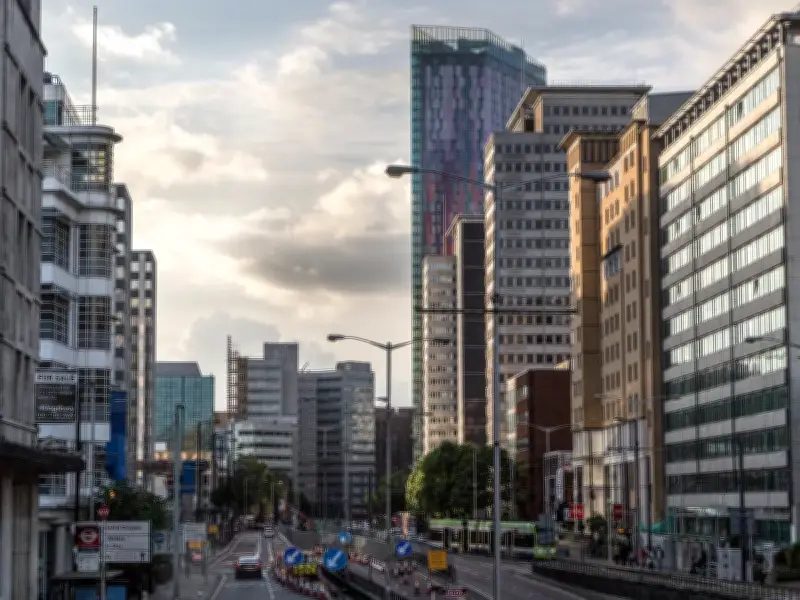
Since April 2013, housing schemes in Croydon Metropolitan Centre have been exempt from paying the council's CIL, a policy introduced in response to concerns that the global financial crisis had made development less viable. The Croydon Metropolitan Centre covers the borough's commercial, retail and high-density residential heart, including areas around the Whitgift Centre and East Croydon station.
During this period, developers were still required to contribute through Section 106 agreements and the Mayor of London's Community Infrastructure Levy, both of which help offset the impact of new development. However, an independent assessment commissioned by Croydon Council has now concluded that strong housing growth and rising property values mean town-centre housing schemes can viably contribute towards CIL.
New charging rates and exemptions
Under the revised charging schedule, developers building 10 or more homes in Croydon town centre will pay £225 per square metre. Smaller schemes of nine homes or fewer will face a higher rate of £300 per square metre, as they are exempt from statutory affordable housing requirements and deemed better able to absorb the additional cost. Residents building their own individual homes will not be affected.
Across the rest of the borough, the new CIL rates will also apply to student accommodation, industrial and warehouse developments, business uses and care homes. Independent planning examiner Derek Stebbing backed the council's proposals following a public examination in February 2026, subject to two changes: cutting the proposed industrial and warehousing rate from £50 to £35 per square metre and introducing a nil rate for non-profit community, sports and leisure facilities.
Funding impact and next steps
Croydon Council hopes the changes could raise around £112 million in residential CIL over five years – £77 million more than under the current system. Bringing Croydon Metropolitan Centre into the CIL charging framework is expected to generate the bulk of the additional income, raising an estimated £69.5 million from developments that have been exempt since 2013.
The council plans to use the additional funding to help tackle a £54 million infrastructure shortfall. Total infrastructure needs through to 2040 are estimated at £133 million, with £78 million already secured from existing external and internal revenue streams.
Announcing the changes, Mayor Jason Perry said: "Regeneration must deliver for the people who already call Croydon home. We welcome new homes, businesses and investment, but it is only fair that developers contribute towards the roads, public spaces and community facilities that growth requires." He added: "These updated charges strike the right balance: keeping Croydon open for investment while securing more funding for local infrastructure. Residents should be able to see and feel the benefits of development in their own communities."
The revised charging schedule will be presented to the Streets and Environment Sub-Committee on September 15, ahead of formal approval by Cabinet and Full Council later this year.




