The financial landscape for UK households in 2026 presents a mixed picture, with some relief on the horizon tempered by persistent high costs. While inflation has retreated from its peak and mortgage rates are beginning to fall, the prices of essentials like housing, food, and energy remain significantly elevated compared to pre-pandemic levels. The coming months will see a series of pivotal changes that will directly impact personal finances, from modest bill increases to significant wage boosts.
Winter Adjustments: Energy, Inflation, and Taxes
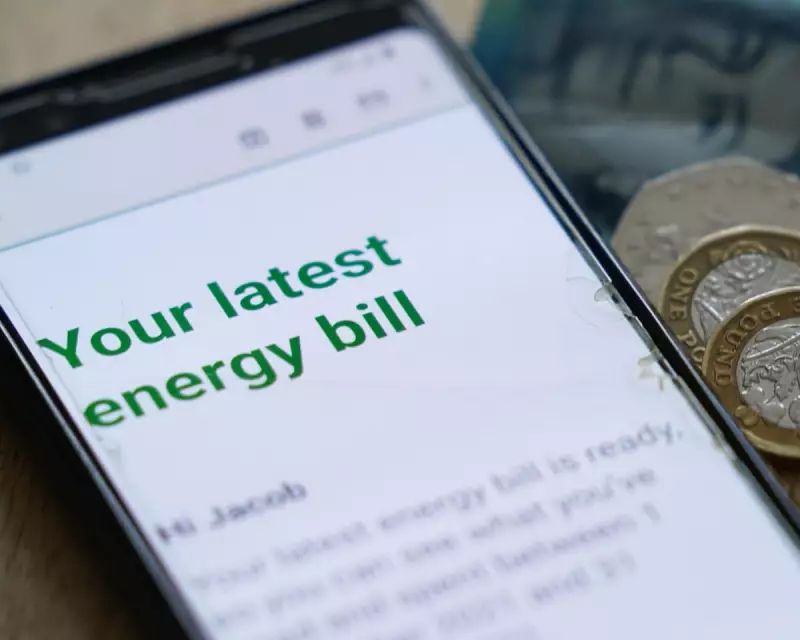
The year begins with a slight adjustment to household energy costs. On 1 January, the Ofgem energy price cap will increase by 0.2%. This marginal rise will add approximately £3 to the typical annual dual-fuel bill for direct debit customers, taking it to £1,758. It's crucial to note that actual bills depend on usage, and some fixed tariffs may now be cheaper than the capped rate.
Later in the month, on 21 January, the Office for National Statistics will release the official inflation figures for December 2025, following a previous fall to 3.2%. This data will be closely watched as a barometer of the government's progress in tackling the cost of living.

31 January marks a critical deadline: it's the last day to file your self-assessment tax return for the 2024-25 tax year. HMRC reports that over a million people missed this deadline last year. This date also requires energy firms to offer tariffs with low standing charges, though Ofgem warns these may come with higher unit rates.
Spring Changes: Wages Rise as Some Bills Fall
February sees a 3.66% rise in alcohol duty, tied to the Retail Price Index (RPI). The Bank of England's first interest rate decision of the year follows on 5 February, with the base rate having ended 2025 at 3.75%. Governor Andrew Bailey has indicated future decisions will be a "closer call."
A welcome freeze comes in March, as regulated rail fares in England will not increase on the 1st, a move announced by Chancellor Rachel Reeves. However, fares on the London transport network will rise by 5.8%. The second Bank of England rate decision is due on 19 March, a date which also sees the removal of the contactless card spending limit.
April brings significant positive changes for workers' pay. On 1 April, the National Living Wage for those aged 21 and over will increase by 4.1% to £12.71 per hour, boosting a full-time worker's annual earnings by around £900. Younger workers and apprentices will also see substantial rises.
While the TV licence fee will increase to just over £181 and water bills are set to rise, energy bills are forecast to fall. Budget changes are predicted to cut the price cap by an equivalent of £138 per year for a typical household, though this depends on wholesale prices. The new tax year begins on 6 April, bringing the end of the two-child benefit cap, increases to the state pension, and new inheritance tax rules.
Ongoing Financial Pressures and Outlook
Despite the wage increases, frozen income tax thresholds mean some people receiving pay rises may be pushed into a higher tax bracket. Council tax is also likely to rise, as local authorities can increase bills by up to 4.99% without a referendum.
The Bank of England's third interest rate announcement of the year on 30 April will conclude a pivotal first quarter. With the household support fund for vulnerable people ending on 31 March and the cost of essentials still high, 2026 begins as a year of careful balancing for many UK families, where gains in income are partially offset by ongoing fiscal pressures and new regulatory changes.