
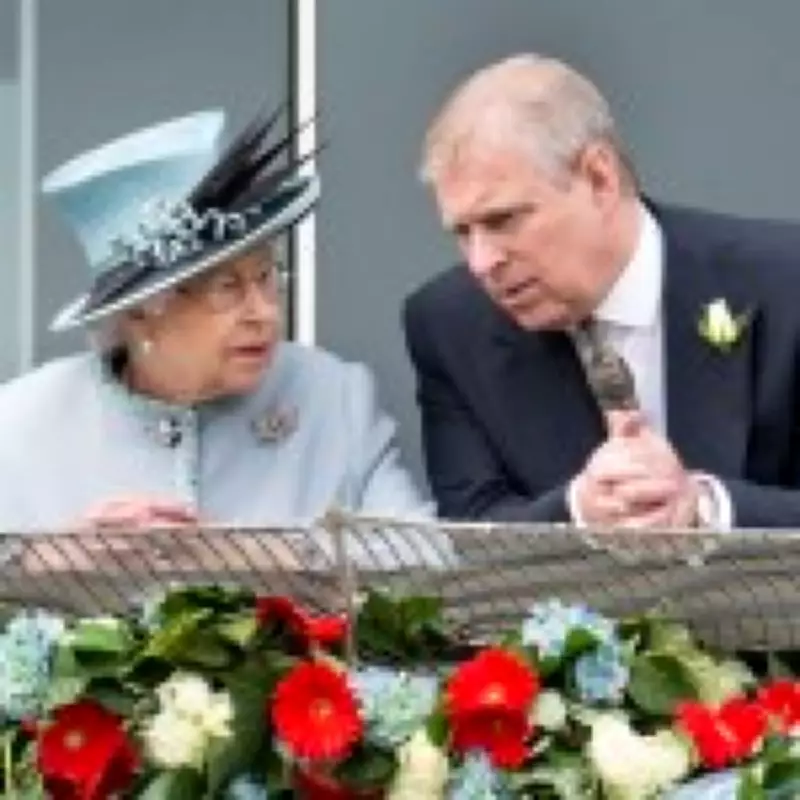
Newly released government files show that Queen Elizabeth II was 'very keen' for her son, Prince Andrew, to take on a prominent role as a UK trade envoy. The documents, published by the government, detail discussions around his appointment as a special trade representative by Tony Blair's government in 2001.
Background on the Appointment
Prince Andrew, then the Duke of York, succeeded the Duke of Kent as an envoy for British Trade International (BTI). A letter from BTI chief David Wright to Foreign Secretary Robin Cook recounted a meeting with the Queen's Private Secretary, Robin Janvrin. The letter stated: 'The Queen is very keen that the Duke of York should take on a prominent role in the promotion of national interests. No other member of The Royal Family would be available to succeed the Duke of Kent. The Duke of York’s adoption of his role would seem a natural fit.'
Role and Interests
A telegram to trade staff explained that Prince Andrew would 'undertake a more active role' than his predecessor. A letter from the Head of Protocol Division, Kathryn Colvin, listed his preferences, including 'youth (including primary schools and outward bound projects)' and 'cultural events, with a preference for ballet rather than theatre.'
Controversy and Aftermath
Prince Andrew served as Special Representative for International Trade and Investment for ten years before resigning in 2011 amid controversy over his expenses. He was stripped of his titles, including prince and Duke of York, in 2022 following revelations about his friendship with convicted sex offender Jeffrey Epstein.
Document Release
The documents were released after the Liberal Democrats tabled a humble address calling for communications around the appointment to be made public. Trade minister Chris Bryant told MPs the government found no evidence of formal due diligence or vetting before Prince Andrew's selection. He noted this was 'understandable since this new appointment was a continuation of the Royal Family’s involvement in trade and investment promotion work following the Duke of Kent’s decision to relinquish his duties.'




