
Labour's Strategic Pivot Towards the European Union
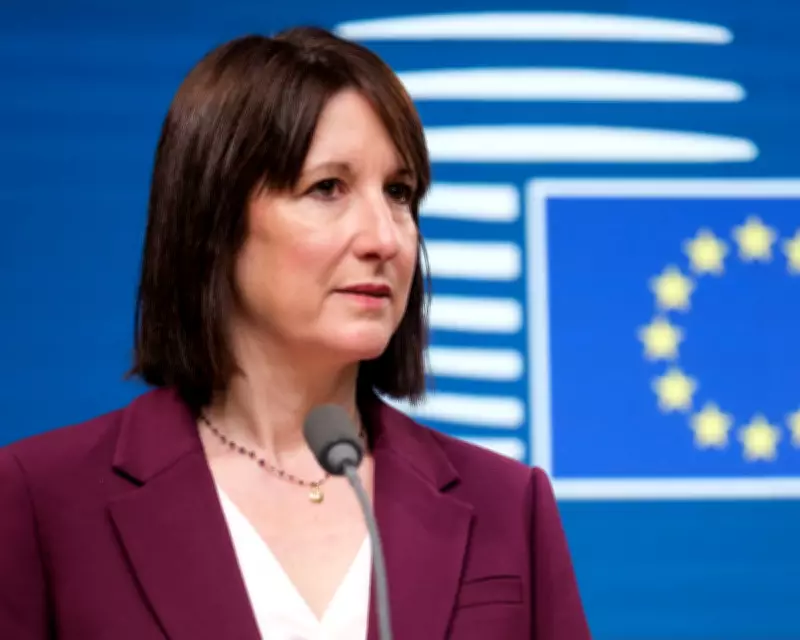
In a significant development that could reshape the United Kingdom's post-Brexit trajectory, Shadow Chancellor Rachel Reeves has articulated a clear vision for the Labour Party to forge closer economic and political ties with the European Union. This announcement marks a deliberate and strategic shift in Labour's approach, moving beyond the constraints of the current Brexit framework to advocate for enhanced cooperation.
Reeves' Comprehensive Argument for Realignment
Reeves emphasized that this policy direction is not merely about revisiting past debates but is fundamentally driven by pragmatic economic necessities and long-term national interests. She highlighted several key areas where deeper collaboration with the EU is deemed essential, including trade facilitation, regulatory alignment to reduce barriers for businesses, and coordinated efforts on shared challenges such as climate change and regional security.
The shadow chancellor argued that the existing post-Brexit arrangements have resulted in tangible economic disadvantages, including increased trade frictions and bureaucratic hurdles that hinder UK competitiveness. Her proposal aims to mitigate these issues through a phased and negotiated approach, seeking to build a more constructive and integrated relationship without necessarily rejoining the single market or customs union in their entirety.
Political Implications and Internal Party Dynamics
This stance represents a notable evolution within Labour, potentially aligning the party more closely with pro-European sentiments among segments of the electorate and business communities. It also sets the stage for a distinct political contrast with the Conservative government's current stance on EU relations, framing the next general election as a referendum on the UK's future international orientation.
Internally, Reeves' arguments are likely to consolidate support among Labour members who favor a softer Brexit outcome, while possibly facing scrutiny from those in traditionally Leave-supporting constituencies. The policy shift underscores Labour's preparation for governance, focusing on economic stability and international partnerships as central pillars of its platform.
Broader Context and Future Prospects
The announcement comes amid ongoing economic uncertainties and geopolitical shifts, positioning Labour as advocating for a recalibrated UK-EU relationship that prioritizes mutual benefit and strategic alignment. Reeves outlined that any moves toward closer ties would be pursued through diplomatic channels and with a focus on securing agreements that protect UK sovereignty while enhancing economic opportunities.
As the political landscape continues to evolve, this policy direction by Labour, spearheaded by Rachel Reeves, is poised to become a focal point in national discourse, influencing debates on trade, diplomacy, and the UK's role in Europe. It signals a potential turning point in post-Brexit politics, with significant implications for future policy-making and international relations.




