
Labour's Cautious EU Shift: Reeves Confronts Brexit's Economic Damage
Chancellor Rachel Reeves has intensified her critique of Brexit, describing it as having inflicted "deep damage" on the UK economy, as Labour adopts a measured approach toward rebuilding closer ties with the European Union. This stance emerges against a backdrop of shifting political dynamics and mounting economic evidence.
Symbolic Steps and Political Realities
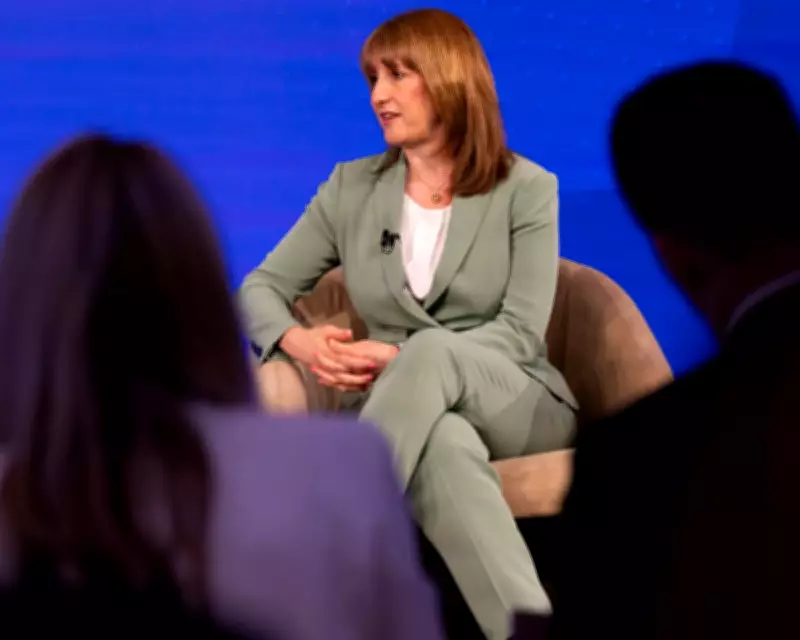
In a significant symbolic gesture, Reeves recently joined EU finance ministers for dinner in Washington during the International Monetary Fund spring meetings. This marked the first such engagement by a UK chancellor since Brexit, underscoring Labour's deliberate pivot toward prioritizing EU relations.
Domestic political pressures are aligning with this shift. Political analysts note that Labour is losing more voters to pro-EU parties like the Greens and Liberal Democrats than to right-wing alternatives such as Reform UK. This trend is expected to become more pronounced following May's election results.
Since the departure of key strategist Morgan McSweeney, the government has shown increased willingness to recapture left-leaning voters, rather than focusing solely on appealing to Reform-curious demographics.
Economic Evidence Mounts
Reeves has highlighted compelling economic research, including analysis from the National Bureau of Economic Research led by Stanford economist Nick Bloom, suggesting Brexit may have reduced the UK economy by up to 8%. This estimate surpasses many previous assessments and dramatically overshadows the benefits from non-EU trade deals secured since 2016.
"No trade deal with any individual nation can outweigh the importance of our relationship to a bloc with which we share a land border, with which our supply chains are closely intertwined, and it accounts for almost half our trade," Reeves emphasized.
The Limits of Labour's Approach
Despite this recognition, Labour's current "reset" strategy with the EU, as outlined in its manifesto, is projected to yield limited economic gains. According to John Springford of the Centre for European Reform, these negotiations might contribute less than 0.5% to GDP.
Reeves is now exploring more ambitious options, including "dynamic alignment" with EU regulations in exchange for enhanced single market access. The government plans to create legislative mechanisms to track EU regulatory changes without requiring parliamentary votes for each adjustment.
However, this approach faces significant constraints. Expanding alignment too broadly risks EU objections to "cherry-picking," while greater economic benefits could necessitate accepting freedom of movement—crossing a key manifesto red line for Labour.
Historical Ironies and Future Challenges
Labour's cautious progression toward EU alignment bears striking resemblance to Theresa May's ill-fated Chequers deal, which also proposed alignment in key areas. "Labour would bite your arm off for that now," observes Jill Rutter of the Institute for Government.
This development is particularly ironic given Keir Starmer's role as shadow Brexit secretary in opposing May's withdrawal agreement and advocating for a second referendum—a stance that contributed to Labour's subsequent election defeat.
As Labour potentially approaches a leadership contest, EU relations will be a central issue. Some backbenchers advocate for a "Swiss-style" approach, which would involve difficult conversations about freedom of movement—a challenging proposition amid rising right-wing populism.
Starmer's own past statements on migration offer a contrasting perspective: "We welcome migrants; we don't scapegoat them. Low wages, poor housing, poor public services are not the fault of people who come here: they're political failure." This highlights the complex political landscape Labour must navigate as it seeks to address Brexit's enduring economic consequences while managing domestic sensitivities.




