
EU Approves Vital €90bn Financial Package for Ukraine Following Hungarian Concessions
In a significant development for European solidarity, member states of the European Union have reached a consensus to unblock an urgently needed €90 billion loan for Ukraine. This crucial financial support comes after Hungary lifted its veto, which had been in place since March due to a dispute over oil pipeline repairs.
Pipeline Politics: The Druzhba Dispute Resolution
The breakthrough occurred after Ukraine resumed pumping Russian oil through the Druzhba pipeline to Hungary and Slovakia. Hungarian Prime Minister Viktor Orbán had previously accused Ukraine of deliberately delaying repairs to this critical infrastructure, which carries 1.2 to 1.4 million barrels of oil daily to both nations heavily dependent on Russian supplies.
Ukraine maintained that the pipeline sustained severe damage from Russian drone strikes and was being repaired as quickly as possible. The Hungarian oil company MOL confirmed on Wednesday that crude oil had begun arriving via the pipeline from Belarus, with deliveries expected in Hungary and Slovakia within 24 hours.
Zelenskyy's Response and European Unity
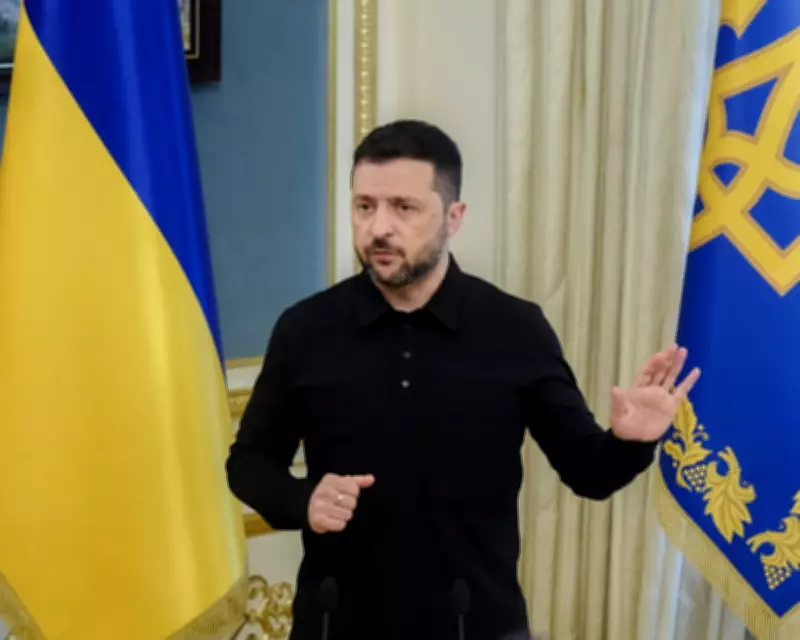
Ukrainian President Volodymyr Zelenskyy welcomed the agreement as "the right signal under the current circumstances," emphasizing that both "support for Ukraine and pressure on Russia" remain essential for ending Moscow's war. Zelenskyy stressed that Ukraine continues to fulfill its obligations to the European Union, including those related to the Druzhba pipeline, and urged swift implementation of the support package.
Cyprus, holding the EU's rotating presidency, announced that member state ambassadors had agreed to launch "written procedures" for final approval of both the loan and a new sanctions package against Russia, with formal sign-off expected by Thursday afternoon.
Financial Structure and Strategic Importance
The EU will provide Ukraine with two interest-free loans of €45 billion each in 2026 and 2027, with €28 billion annually allocated for military spending and €17 billion for general budget needs. This financial package aims to cover approximately two-thirds of Ukraine's financing requirements during those years.
Economists had warned that Ukraine could face severe financial shortages by June without this EU support. European Commissioner for Economy Valdis Dombrovskis indicated that the first disbursement would likely occur in late May or early June.
Innovative Repayment Mechanism
Ukraine is not expected to repay the loan from its own resources. Instead, repayment will commence when Russia begins paying war reparations, potentially utilizing the estimated €210 billion in Russian central bank assets currently frozen within the European Union. This innovative approach was designed last year as a method to leverage frozen Russian funds without directly confiscating them, addressing legal concerns raised by Belgium and other member states.
Comprehensive Sanctions Package Against Russia
The agreement also unlocks the EU's 20th sanctions package against Moscow, which had been delayed alongside the loan approval. This comprehensive package includes:
- Additional maritime and energy restrictions targeting Russia's oil export capabilities
- A financial sector crackdown adding approximately 120 individuals and entities, including 20 Russian regional banks, to sanctions lists
- Travel bans, transaction restrictions, and asset freezes complicating settlement processes for Russian businesses
- Targeting of cryptocurrency platforms and digital assets used to circumvent sanctions
- Restrictions on third-country banks facilitating trade in restricted military goods
- Import and export bans covering approximately €930 million worth of goods, including specific metals, chemicals, and critical minerals
- Addition of more than 40 vessels to the existing list of 600 ships banned from EU ports
- A comprehensive ban on maritime services such as insurance, brokering, and technical management related to Russian oil transport
Political Context and Regional Implications
The loan approval follows Orbán's electoral defeat on April 12th after sixteen years in power, though he retained authority to block the loan until his successor Péter Magyar assumes office in May. Notably, Hungary secured exemptions ensuring it would not contribute to the joint borrowing, along with similarly Moscow-friendly governments in Slovakia and the Czech Republic.
Separately, the German government announced that the German subsidiary of Russia's state-owned Rosneft would halt oil flow from Kazakhstan through the Druzhba pipeline to a major refinery near the Polish border beginning May 1st. Government spokesperson Stefan Kornelius assured that this change would "not significantly restrict refinery operations" affecting fuel supplies to the Berlin region.
This agreement represents a critical milestone in European support for Ukraine, combining substantial financial assistance with strengthened economic pressure on Russia, while navigating complex regional energy dependencies and political considerations.




