
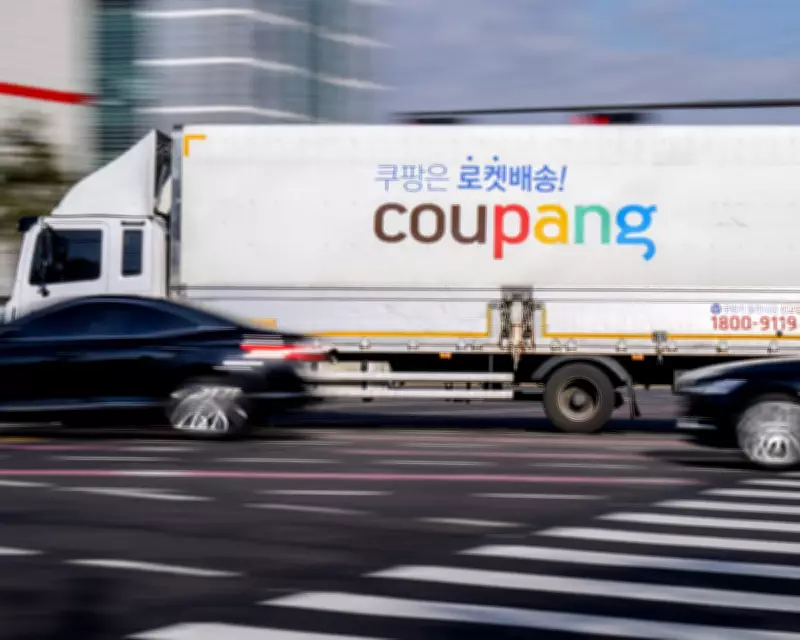
A data breach at Coupang, South Korea's largest e-commerce company, has evolved from a corporate issue into a major diplomatic confrontation between Seoul and Washington, straining an alliance critical to regional security. The incident, which compromised data from 33.7 million users, has drawn an aggressive response from South Korean authorities, including police raids, tax audits, and parliamentary hearings. Coupang's founder and CEO, Bom Kim, a Korean-American billionaire, has refused to return to South Korea for questioning, citing his global role. In turn, the United States has reportedly linked high-level diplomatic and defense consultations to South Korea's assurance that Kim will face no legal consequences, according to Korean broadcaster SBS. The South Korean foreign ministry has not denied the report but insists that security discussions should remain separate from the Coupang matter. The dispute has already affected talks on US support for South Korea's nuclear submarine program, with a scheduled US delegation visit postponed.
Lobbying and Political Pressure
Coupang has significantly increased its lobbying efforts in Washington, spending over $3 million in 2025 alone, bringing its total since 2021 to more than $11 million, according to OpenSecrets. In the first quarter of 2026, the company doubled its lobbying spending compared to the same period in 2025, targeting the White House and vice president's office. In January, Vice President JD Vance raised the Coupang issue with South Korean Prime Minister Kim Min-seok, expressing hope for a fair resolution. On April 21, 54 Republican members of Congress wrote to South Korea's ambassador, accusing Seoul of discriminatory actions against US companies and a whole-of-government assault on Coupang over a low-sensitivity data leak.
Broader Tensions in the Alliance
The Coupang dispute is one of several friction points in US-South Korea relations under the Trump administration. In September, an immigration raid at a Hyundai-LG battery plant in Georgia detained over 300 South Korean workers, sparking outrage. The US has also reportedly restricted intelligence sharing after South Korea's unification minister publicly identified a suspected North Korean nuclear site. In January, President Trump threatened to raise tariffs on South Korean goods from 15% to 25%. Five US investment firms holding Coupang shares have filed for arbitration under the US-Korea free trade agreement, claiming Seoul's enforcement response was disproportionate compared to similar cases involving Korean companies.
Expert Analysis
Jaechun Kim, a professor of international relations at Sogang University in Seoul, notes that the fundamental issue is not South Korea's legal right to regulate companies within its jurisdiction, but how such actions are perceived and politicized within the alliance framework. The Trump administration's tendency to blur economic and security issues into a transactional framework means disputes like Coupang could spill over into areas previously insulated from retaliation, including nuclear cooperation, advanced technology sharing, or defense procurement. There is a growing sense that the US-ROK relationship may be approaching a critical threshold of strain.




