
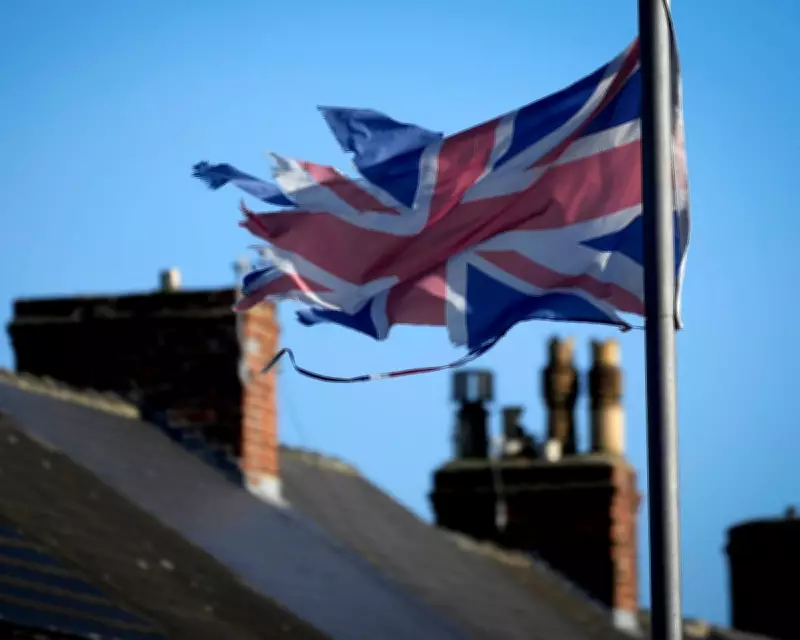
A decade has passed since the United Kingdom made its historic decision to leave the European Union, yet the nation continues to grapple with profound divisions and a lingering sense of unfulfilled promise. For those who championed Brexit, the vision of a proud, independent Britain confidently steering its own destiny on the global stage remains elusive, if not entirely unattainable.
The Persistent Dream and Its Discontents
Brexit supporters often point to immigration as a key issue, framing it as an "invasion" that undermines British identity and strains resources. However, this narrative fails to address the deeper malaise: the dream of sovereignty has not translated into clear strategic advantages or national contentment. Meanwhile, those who wished to remain in the EU feel unmoored, having lost the security and identity that membership in a larger European grouping provided.
A World in Turmoil Exacerbates UK's Struggles
The UK's internal struggles are compounded by external global uncertainties. The United States has disrupted long-standing international institutions, creating a landscape where traditional alliances and operational certainties are no longer guaranteed. Simultaneously, the European Union appears unable to forge a coherent identity or path forward through this complex global morass.
This leaves Britain in a precarious position, floundering without a definitive place in the world. The options for alignment and partnership seem unattractive and equally uncertain, with no clear roadmap for navigating post-Brexit diplomacy or trade.
Political Divisions and the Futility of Sloganeering
Amid this uncertainty, some political figures offer simplistic solutions. Figures like Nigel Farage and Zack Polanski engage in empty sloganeering that provides little substantive guidance for the nation's future. However, seeking refuge in such rhetoric is not a viable answer to the complex challenges facing the UK.
Even within political circles, there is recognition that reversing Brexit would be extraordinarily difficult. As one observer notes, any prime minister is "stuck with" the reality of having left the EU. Rejoining would require significant forbearance from EU member states, something unlikely given Britain's domestic political dynamics, including hardline Brexit supporters and controversial positions on international alliances like NATO.
The Enduring Impact of the 2016 Decision
The lasting impact of the 2016 referendum continues to shape British society and politics. The country remains a divided nation, frozen in time by the unresolved tensions between Brexit ideals and practical realities. This division contributes to a pervasive unhappiness that permeates national discourse and policy debates.
As the UK marks ten years since its decision to leave the EU, it faces a critical juncture. The nation must move beyond empty political slogans and confront the hard realities of its position in an increasingly unstable world. Only through honest assessment and pragmatic diplomacy can Britain hope to find its footing and define a meaningful role on the global stage.




