
I believed I was simply dehydrated during our epic Atlantic crossing – the reality proved far more serious. The sky had turned a menacing shade of grey as torrential rain lashed our small vessel. We found ourselves thousands of miles from land in the mid-Atlantic, with my knuckles whitening on the oars as I clung to the last vestiges of control amidst the raging storm.
The Mothership's Atlantic Challenge
As the tempest suddenly abated, my crewmate Lebby asked if I was alright from behind me. I responded with an adrenaline-fuelled grin: 'It was fun!' That moment, battered by nature's fury yet feeling more alive than ever, perfectly encapsulated what our team, The Mothership, represented. We were four working mothers in mid-life – including my sister Pippa – determined to row 3,000 miles across the Atlantic Ocean as part of the prestigious Talisker Whisky Atlantic Challenge.
Our mission extended beyond testing personal limits; we aimed to demonstrate to our combined eleven children that no dream remains too ambitious, and that courage represents not the absence of fear but the determination to persevere regardless.
Relentless Preparation for an Ocean Crossing
Training itself became an endurance event. Balancing three young children with a demanding professional career already required expert juggling skills. Yet six days weekly, I rose before dawn to safeguard that sacred time dedicated to my personal goal. My regimen blended rowing machine sessions, strength conditioning, and pilates or yoga – primarily conducted within our makeshift garage gym.
When December 2022 arrived, bringing departure day at La Gomera in the Canary Islands, I anticipated nervousness. Instead, I experienced sadness mingled with excitement and calm – a quiet confidence forged through nearly two years of relentless preparation.
Life Aboard During Forty Days at Sea
The subsequent forty days established a simple rhythm: eat, sleep, row, repeat. We rowed in pairs following a two-hours-on, two-hours-off schedule that continued around the clock. During off-shifts, sleep became paramount within the small cabins at each boat end – spaces just sufficient for lying down – alongside personal 'admin' encompassing basic hygiene and refuelling through eating.
The ocean presented a tapestry of extremes: breathtaking moments watching dolphins race alongside our boat contrasted with raw fear when equipment threatened to derail our progress. On Christmas Eve, our water maker failed. After two anxious hours of tinkering, it spluttered back to life, only for our steering to malfunction when substantial waves knocked us off course.
In the dead of night, with wind howling and waves crashing, we genuinely questioned whether we could complete the race. Fortunately, calmer daylight hours allowed us to fix the problem and continue. Throughout the journey, we bonded profoundly and laughed frequently – even instituting 'Mothership Awards' that earned me the dubious honour of 'Mum most likely to need an inconvenient poo on night shift.'
From Triumph to Unexpected Diagnosis
Approaching halfway, I began noticing stomach cramps requiring frequent visits to our makeshift bucket toilet. We laughed this off, attributing it to dehydrated ration packs and the sheer volume of food needed for our physical exertion.
Arriving at Antigua's finish line generated pure euphoria. We placed thirteenth among thirty-seven boats, outperforming numerous men's and mixed crews. The cheers, horns, and dock-side crowds overwhelmed us. My children scrambled onto my lap while my father's hug conveyed fierce pride and relief. I'd lost ten kilograms and acquired some aches, but nothing appeared extraordinary. I felt invincible.
Returning home, however, the stomach cramps intensified. Alarmed by blood appearing in my stools, I scheduled a GP appointment. Three weeks and several tests later, during a colonoscopy intended to 'rule out' cancer, I heard those devastating words: 'You have bowel cancer.'
Stunned disbelief followed. How could someone who recently rowed an ocean face serious illness? Retrospectively, I wonder whether peak physical condition helped my body manage the disease initially. The diagnosis hit like a freight train through my life.
Navigating Treatment with Rowing Resilience
My immediate concerns centred on family. My children were merely four, seven, and nine years old, while my father already battled terminal cancer. My parents responded with devastated yet calm support as we gradually broke the news to our children. They accepted it remarkably well but hated seeing my PICC line – a catheter for medication administration – crying 'Put it away, Mummy!' whenever it became visible.
Later, my mother revealed how distressed my father felt – he understood too well the journey awaiting me. Following diagnosis, I underwent surgery to remove part of my bowel. When cancer cells appeared in my lymph nodes two weeks later, I faced six chemotherapy rounds.
Each treatment drained me, inducing nausea for several days before gradual recovery preceding the next session. My Atlantic rowing experience had honed both physical and mental resilience, which I leaned upon heavily. Exercise became my anchor – walking and running provided comfort and positivity through moving my body in nature, aiding both physical and mental recovery.
Finding New Purpose After Cancer
My final chemotherapy session occurred almost exactly one year post-row, creating surreal feelings. While grateful, I felt adrift without treatment's protective routine – a common experience among survivors.
I immersed myself in a more varied fitness regime, determined to rediscover my essential self. Cancer ultimately served as a catalyst for transformation: I left my corporate position, pursuing motivational speaking and authorship. During autumn 2024, I commenced writing Stronger than the Storm, hoping to inspire others to believe in themselves and persevere through life's challenges.
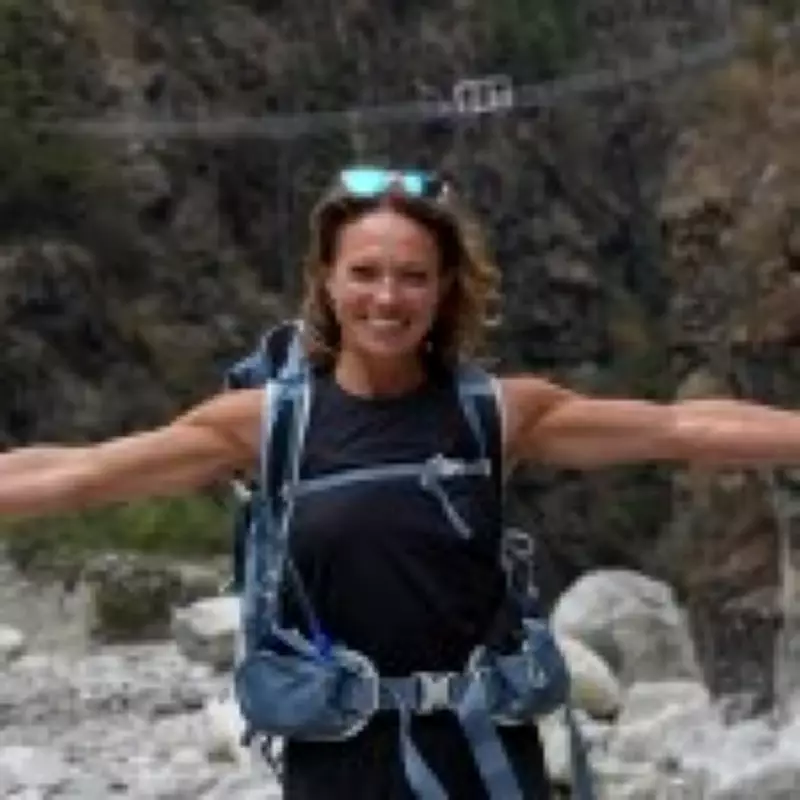
Now three years into a five-year surveillance period, I remain cancer-free. I celebrated in May 2025 by trekking to Everest Base Camp to run the Tenzing Hillary Everest Marathon – the world's highest marathon.
A Message of Strength and Resilience
I sought to prove that I hadn't merely survived but emerged stronger. We all possess capabilities beyond our imaginings, yet frequently allow self-doubt or societal limitations to restrain us.
My message, particularly to young girls and my own children, remains clear: don't permit fear or others' expectations to define you. You are stronger than you recognise, capable of weathering any storm life presents.




