
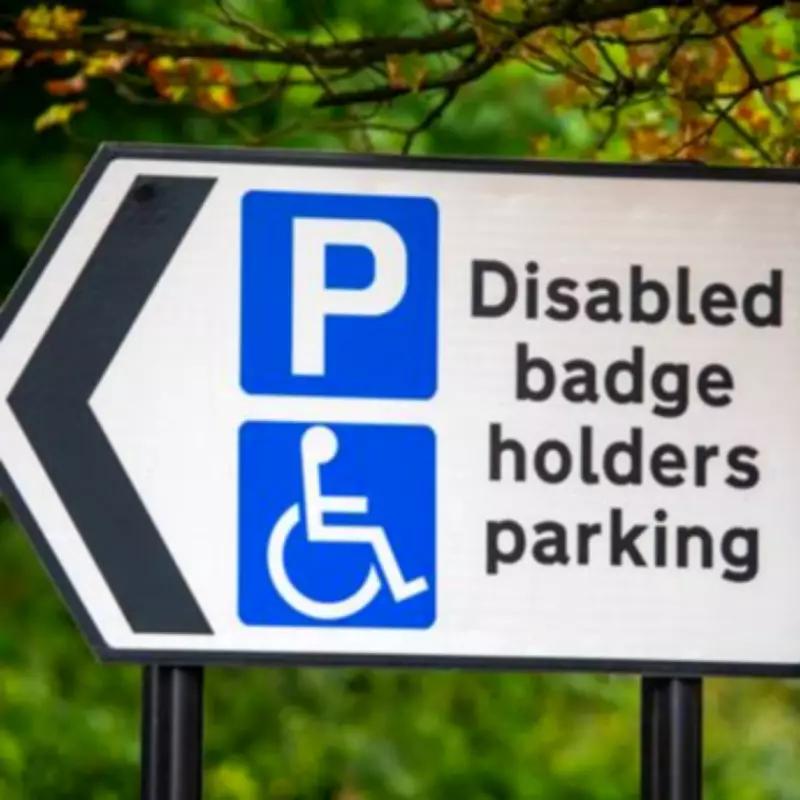
The Blue Badge scheme represents a crucial lifeline for individuals across the United Kingdom who face significant mobility challenges. Designed specifically to assist those with restricted movement, these permits enable holders to utilise accessible parking spaces, thereby facilitating easier access to essential destinations and services.
Understanding the Two-Tier Eligibility Framework
Eligibility for a Blue Badge operates under a clearly defined two-category system. The first category involves automatic qualification for individuals who meet specific, predetermined criteria. The second requires a more nuanced individual assessment by local authorities for those whose circumstances don't fit neatly into automatic qualification boxes.
Automatic Qualification Criteria
People aged three years or older can automatically qualify if they satisfy particular conditions. This includes individuals receiving specific benefits under particular circumstances. Crucially, it's important to understand that receiving Personal Independence Payment (PIP) does not automatically guarantee eligibility.
Automatic qualification extends to several distinct groups:
- Those receiving the higher rate mobility component of Disability Living Allowance (DLA)
- Recipients of the War Pensioners' Mobility Supplement
- Individuals who have received lump sum benefits within tariff levels one to eight of the Armed Forces and Reserve Forces Compensation Scheme, provided they have been certified with a permanent, substantial disability causing inability to walk or very considerable walking difficulty
- People registered as severely sight-impaired (blind)
- PIP recipients who score eight points or more under the 'moving around' activity of the mobility component, indicating they cannot walk more than 50 metres
- Those receiving PIP with 10 points specifically under descriptor E in the 'planning and following journeys' category, where undertaking journeys causes 'overwhelming psychological distress'
Individual Assessment Criteria
Beyond automatic qualification, numerous other circumstances can make someone eligible through individual assessment. This broader category recognises that mobility challenges manifest in diverse ways beyond specific benefit receipt.
Physical Mobility Challenges
Local authorities may award Blue Badges to individuals who demonstrate substantial walking difficulties, including:
- Those for whom walking presents a genuine danger to their health and safety
- People who experience severe difficulty walking due to pain, breathlessness, or the excessive time required
- Individuals unable to walk without assistance from another person or mobility aids
- Those completely unable to walk
- People with life-limiting illnesses that severely impact walking ability, particularly those with an SR1 form
Non-Physical and Psychological Considerations
The eligibility criteria demonstrate significant understanding that mobility restrictions aren't exclusively physical. The scheme includes:
- Individuals who experience severe difficulty planning or following journeys
- Those who regularly have intense, overwhelming responses to situations causing temporary loss of behavioural control
- People who are constantly a significant risk to themselves or others near vehicles, in traffic, or in car parks
- Individuals who frequently become extremely anxious or fearful in public or open spaces
- Those who find it difficult or impossible to control their actions and lack awareness of their potential impact on others
Additional Eligibility Scenarios
The scheme's flexibility extends to several other specific situations:
- Parents or carers of children under three with medical conditions requiring constant accompaniment by bulky medical equipment
- Drivers with severe disabilities in both arms who cannot operate pay-and-display parking machines
Administrative and Financial Considerations
The cost structure for Blue Badges varies significantly across the UK's nations. In England, the maximum charge stands at £10, while Scotland sets its maximum at £20. Wales distinguishes itself by offering Blue Badges completely free of charge. All applications are managed through local councils, which determine and set their specific fees within these national parameters.
Application processing typically requires patience, with local authorities taking up to twelve weeks to assess submissions. Should an application face rejection, individuals retain the right to request a reassessment if they believe relevant information wasn't properly considered during the initial evaluation.
Successful applicants receive badges valid for up to three years, after which renewal becomes necessary to maintain parking privileges. This system ensures regular reassessment of individuals' ongoing needs while providing substantial periods of parking accessibility between renewals.
The Blue Badge scheme continues to evolve, reflecting growing understanding of diverse mobility challenges while maintaining robust assessment processes to ensure resources reach those with genuine need. Its comprehensive criteria acknowledge that restricted mobility takes multiple forms, from physical limitations to psychological barriers, creating a more inclusive accessibility framework across the United Kingdom.




