
UK Health Agency Probes London Legionnaires' Disease Cluster
The UK Health Security Agency (UKHSA) has launched an investigation into a cluster of Legionnaires' disease cases identified in north and southwest London. Specialists from the public health body are working diligently to determine whether these cases are connected and to pinpoint their possible source.
Understanding Legionnaires' Disease
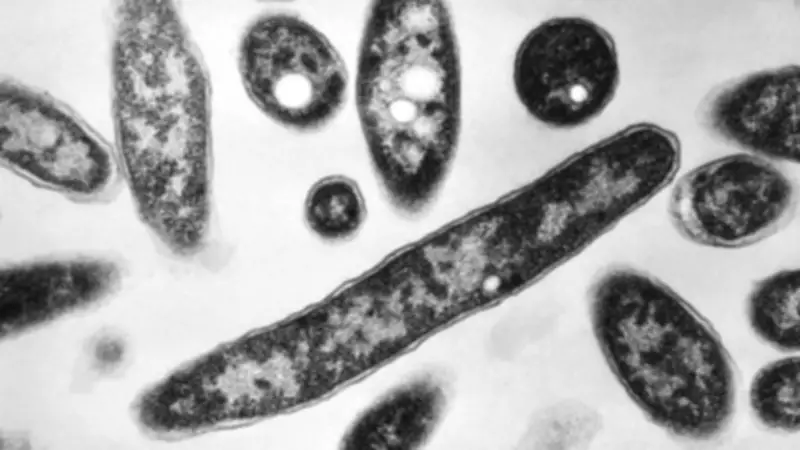
Legionnaires' disease is a severe form of pneumonia caused by inhaling tiny water droplets containing Legionella pneumophila bacteria. These bacteria typically thrive in water systems that are not properly designed, installed, or maintained, such as:
- Air conditioning units
- Showerheads and taps
- Large water storage systems
Infection occurs when contaminated water droplets are inhaled, not through person-to-person transmission, which significantly limits the wider public health risk.
Current Investigation Status
Janice Lo, a health protection consultant at UKHSA London, stated: "At this stage, a common source has not yet been confirmed, but we are undertaking further investigations, with partners, that will provide us with more information." She emphasized that Legionella bacteria are widely distributed in the environment and can multiply in building water systems, making proper maintenance with regular testing and treatment crucial to prevent health risks.
Symptoms and Treatment
The signs of Legionnaires' disease resemble a flu-like illness and include:
- Muscle aches and tiredness
- Headaches and fever
- Dry cough
Individuals experiencing these symptoms are advised to contact NHS 111 or their general practitioner for medical advice. The disease is routinely treated with antibiotics, according to Ms. Lo.
Historical Context and Precedents
This investigation follows previous incidents involving Legionella contamination. In 2023, asylum seekers were removed from the Bibby Stockholm barge in Dorset after the bacteria were detected in the vessel's water system, with the Home Office describing the disembarkation as a precautionary measure.
Additionally, in 2019, two British tourists died from Legionnaires' disease after staying at the same hotel in Bulgaria, highlighting the potential risks associated with improperly maintained water systems in accommodation facilities.
The UKHSA continues to monitor the situation closely, assuring the public that while the investigation is ongoing, the overall risk remains low due to the nature of the disease's transmission.




