
Deadly Tornado Outbreak Strikes Multiple U.S. States
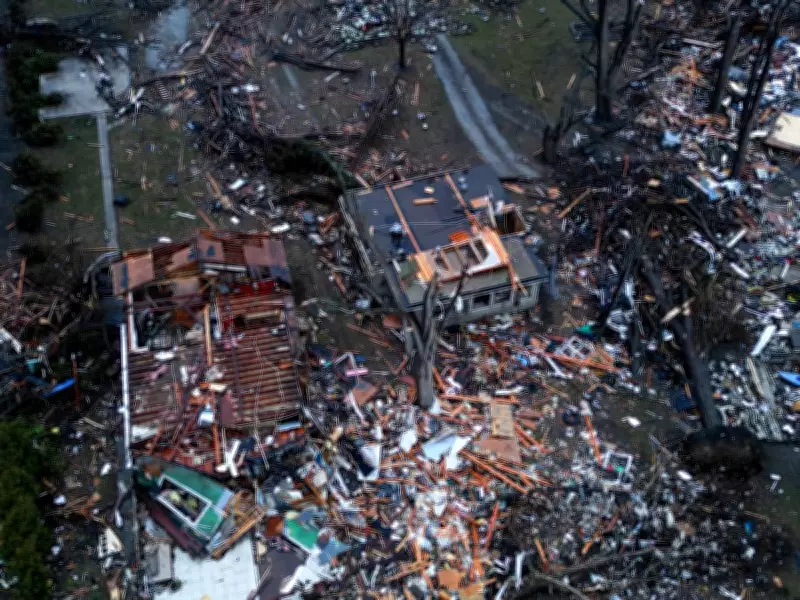
A devastating series of tornadoes tore through parts of Texas, Illinois, and Indiana late Tuesday and into early Wednesday, March 11, 2026, leaving a trail of destruction, multiple fatalities, and widespread damage. The severe weather system has prompted urgent warnings from officials as millions of residents from Texas to Michigan remain under threat of continued dangerous conditions.
Fatalities and Extensive Damage Reported
In Indiana, emergency responders confirmed at least two fatalities following the tornado strikes. Rob Churchill, chief of the Lake Township fire department, described the small town of Lake Village as having taken "a direct hit" from the storms, with multiple homes completely destroyed. First responders faced challenging circumstances while assessing the aftermath, with downed trees and power lines complicating rescue efforts across affected regions.
Shannon Cothran, sheriff of Newton county in Indiana, emphasized the severity of the situation in a public statement, noting "a lot of damage" and urging residents to avoid affected areas to allow emergency personnel to work effectively. The Kankakee county sheriff's office reported one tornado touched down near the Kankakee fairgrounds before moving northeast into Aroma Park, Illinois, where it caused extensive property damage along South Sandbar Road.
Multiple Tornado Touchdowns Confirmed
The National Weather Service documented at least four tornado touchdowns in eastern Illinois alone, with the storm system extending its destructive path into neighboring Indiana. Separate weather events included a confirmed tornado in Taylor County, central Texas, where officials reported 60mph wind gusts and "baseball-sized" hail causing additional damage.
Brandon Buckingham, an AccuWeather meteorologist, indicated that at least 10 tornadoes were spotted across the three states, with nearly 200 filtered reports of severe weather spanning more than 2,500 miles from Texas to Michigan. Andrew Lyons, a meteorologist with the NWS Storm Prediction Center, described the system as a fairly typical early spring strong storm pattern that was expected to continue moving east and northeast throughout Wednesday.
Continued Severe Weather Threats
Forecasters warn that the severe weather outbreak could represent the most widespread and impactful event of the year so far, with the chain of storms predicted to peak midweek. States from Oklahoma to Michigan remained under tornado watches as of Wednesday morning, with the storm system expected to bring intense tornadoes, damaging winds, and very large hail across the southern plains to the southern Great Lakes region.
The severe weather was forecast to reach Washington DC by Wednesday afternoon, bringing new threats of damaging winds and potential tornadoes. A line of storms was expected to sweep eastward into Ohio and Tennessee, potentially affecting major cities including Cincinnati, Memphis, and Nashville.
Official Responses and Recovery Efforts
Illinois Governor JB Pritzker confirmed he had been briefed on the storm and tornado damage, noting that the state's emergency management agency was actively coordinating with local officials. "Keeping in our thoughts all Illinoisans impacted by the severe weather - we'll be here to help them recover," Pritzker stated in an early Wednesday social media post.
Emergency services across affected regions reported overwhelmed 911 systems as residents sought assistance. Search operations continued Wednesday for possible victims of the supercell storms that followed a path from Kankakee County, Illinois, into Indiana. Officials emphasized that damage assessments would continue throughout the day to determine the full extent of the destruction.




