
Spider Bite Hospital Admissions Double in England as False Widow Population Explodes
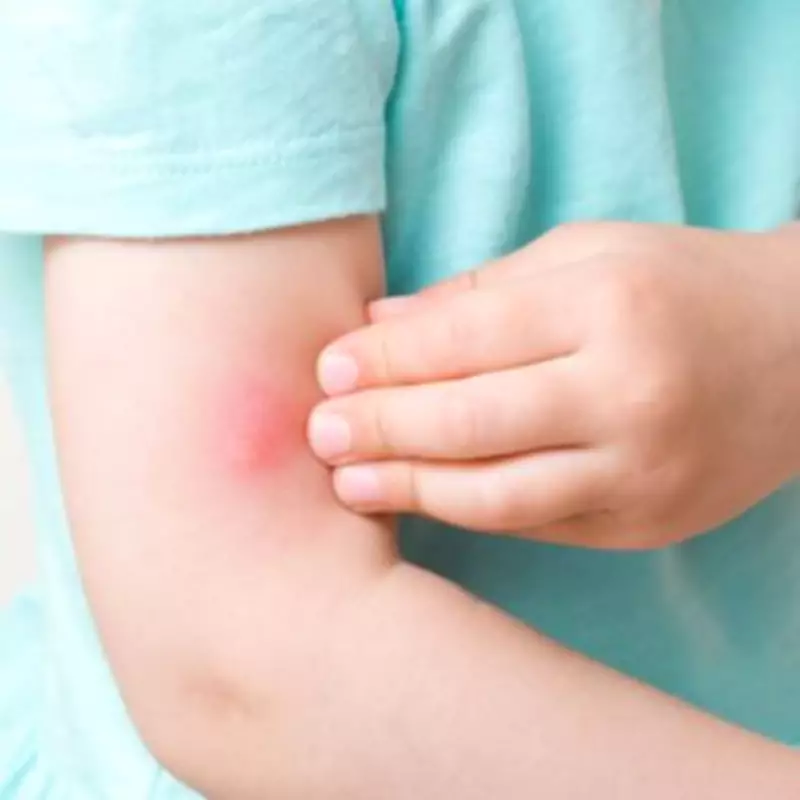
Hospital admissions resulting from spider bites have doubled in England over the past decade, with experts attributing the alarming increase to the dramatic rise in the population of false widow spiders. Provisional NHS figures obtained through a freedom of information request reveal that admissions due to "contact with or toxic effect of spiders" reached 100 in 2025, compared to just 47 in 2015.
The Noble False Widow: Britain's Most Dangerous Breeding Spider
Academics have directly linked this surge to the proliferation of the noble false widow spider, a species described in a 2020 Oxford University paper as "the most dangerous spider breeding in Britain." Originally from Madeira and the Canary Islands, this spider was first reported in southern England in 1879 but has since seen its numbers explode.
Clive Hambler, a lecturer in biological and human sciences at Hertford College, Oxford, stated unequivocally: "The days when you could just treat spiders as benign in Britain are over." He explained that fifty years ago, spider bites in Britain had minimal consequences, but the situation has changed dramatically as false widows have become vastly more abundant, particularly in southern regions.
Rising Admission Figures and Serious Health Risks
The NHS data shows a clear upward trend: 43 admissions in 2021, jumping to 95 in 2022, and remaining high at 91 admissions in both 2023 and 2024. Of the 100 admissions recorded in 2025, a significant 73 patients entered through Accident and Emergency departments, compared to 38 out of 47 in 2015.
Mr. Hambler warns that people encounter false widow spiders far more frequently than they realize, noting he has even observed them in the gardens of Buckingham Palace. While the venom itself causes pain and itching comparable to a wasp sting, the more severe toxic effects stem from bacteria carried by the spider, which can potentially lead to amputation, sepsis, and even death.
"This species is much more willing to bite than many people are willing to admit," Hambler asserted, suspecting that numerous bites occur daily across the country.
Expert Perspectives on the Causes and Public Response
Dr. Michel Dugon, a zoologist specializing in venom systems at the University of Galway, described the figures as "interesting but not surprising." He identified the "explosion in the population of noble false widow" as the most obvious factor behind the increase. These spiders prefer living in and around houses rather than natural habitats in the UK and Ireland, increasing human contact.
Dr. Dugon also noted that increased media coverage in recent years might lead some people to mistakenly attribute bites to false widows. He clarified that a genuine bite from this species is intensely painful—"it will actually wake you up"—and that spiders are generally not aggressive animals; they do not seek to bite humans. He emphasized that 100 cases across England remains a relatively minor number in the broader context.
Professor Adam Hart, a science communication expert at the University of Gloucestershire, offered a reassuring perspective. While false widows have expanded their range, he stated there is no strong reason for public concern. "Most bites are mild and severe reactions are rare," he explained. Basic precautions, such as avoiding direct handling of spiders, should keep the risk of being bitten extremely low.
A Call for Balanced Awareness
Mr. Hambler advocates for increased public awareness of the risks posed by false widows, urging people to treat spiders in Britain with the same respect they would in other parts of the world. He acknowledges the need for balance, countering potential fears of inducing arachnophobia by pointing out: "I don't think many people are going to die of arachnophobia in Britain but they will die from this thing."
He suggested several reasons for the decade-long rise in admissions, including greater medical alertness to spider bites and Britain's growing population. The data presents a clear picture: as the false widow spider establishes itself more firmly in the UK ecosystem, its interaction with humans is leaving a measurable mark on public health statistics, prompting experts to call for informed caution without alarm.




