
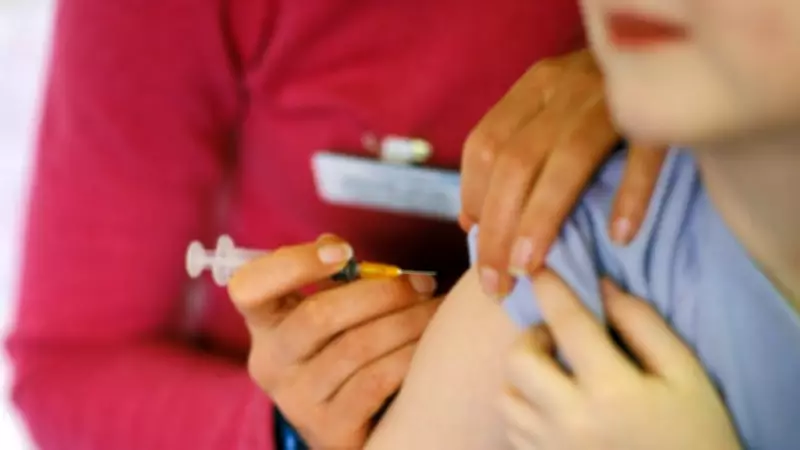
Prime Minister Sir Keir Starmer has issued a direct appeal to parents across the United Kingdom, urging them to verify that their children's vaccinations are fully up to date. This call to action comes in response to a concerning measles outbreak that is currently spreading through schools in north London, highlighting a critical public health issue.
Measles Outbreak Details and Government Response
The outbreak has been particularly severe in the London borough of Enfield, where 34 confirmed cases of measles were recorded between January 1 and February 9 of this year. This figure represents more than one-third of the total 96 cases reported across England during the same period. Sir Keir Starmer expressed deep concern over the situation, stating that it is "concerning to see more children getting measles" and emphasizing the urgency of the matter.
In a post on social media platform X, the prime minister reinforced the safety and efficacy of vaccines, describing them as "safe, effective and can be life saving." He urged all parents to check their children's vaccination status and ensure they have received all recommended doses. Sir Keir also took a firm stance against vaccine misinformation, asserting that leaders must "stand firmly behind science to protect our children, not to give oxygen to conspiracy theories." He added, "Public health isn't a culture war. It's about keeping our communities safe."
Impact on Schools and Health Services
At least seven schools in the Enfield and Haringey areas have confirmed infections, with local general practitioner surgeries warning that the virus "is spreading." According to reports from one GP surgery, approximately one in five children infected in the recent outbreak required hospital treatment, and all of these hospitalized children had not been fully immunized against measles.
This outbreak underscores the broader context of the United Kingdom losing its measles elimination status in 2024, a setback attributed to declining vaccination rates. Dudu Sher-Arami, Enfield's director of public health, highlighted to The Sunday Times that London has "one of the lowest, if not the lowest, vaccination uptake rates" in the country, making the capital especially vulnerable to such outbreaks.
Health Risks and Historical Context of Measles
Measles is a highly infectious viral illness that can spread easily among unvaccinated individuals, including both children and adults. Symptoms typically include cold-like signs, a rash, and spots in the mouth. While many people recover, the disease can lead to serious complications such as pneumonia, brain inflammation, and, in rare cases, long-term disability or death.
The UK Health Security Agency (UKHSA) has issued warnings based on modeling, suggesting that a large-scale measles outbreak in London could result in between 40,000 to 160,000 infections. Hospitalization rates are estimated to range from 20% to 40%, depending on the age of those affected.
Vaccination History and Current Challenges
The measles, mumps, and rubella (MMR) vaccine has been available in the UK since 1988, with the first dose typically administered to babies at one year of age and a second dose given at three years and four months. Parents are reminded that if either dose has been missed, they can still request the vaccine from their GP.
Vaccination rates faced a significant decline in the late 1990s and early 2000s, dropping to about 80% nationally after a discredited 1998 study by British doctor Andrew Wakefield falsely linked the MMR vaccine to autism. Although Wakefield was later struck off the medical register for manipulating data, the damage to public trust had been done, contributing to lower vaccination rates globally.
In recent years, particularly since the COVID-19 pandemic, there has been an increase in parents questioning vaccinations and seeking information online, where disinformation is prevalent. This trend poses ongoing challenges to public health efforts aimed at maintaining high immunization coverage.
Sir Keir Starmer's message serves as a crucial reminder of the importance of vaccination in preventing the spread of infectious diseases and protecting community health. Parents are encouraged to consult healthcare professionals for accurate information and to ensure their children receive all necessary vaccines.




