
New Zealand's Pandemic Response Deemed Among World's Best, Yet Leaves Lasting Scars
A comprehensive royal commission investigation into New Zealand's handling of the Covid-19 pandemic has concluded that the nation's response ranks among the most effective globally. However, the inquiry also acknowledged that the period left deep and enduring scars on society, highlighting significant lessons for future public health emergencies.
Broadly Appropriate Strategy with Notable Shortcomings
The commission's second phase report, released this week, examined the critical period from February 2021 to October 2022. This timeframe encompassed the government's strategic shift from virus elimination to suppression and minimization approaches. The investigation thoroughly evaluated multiple aspects including vaccine safety protocols, the national immunisation programme, lockdown implementations, and tracing and testing technologies.
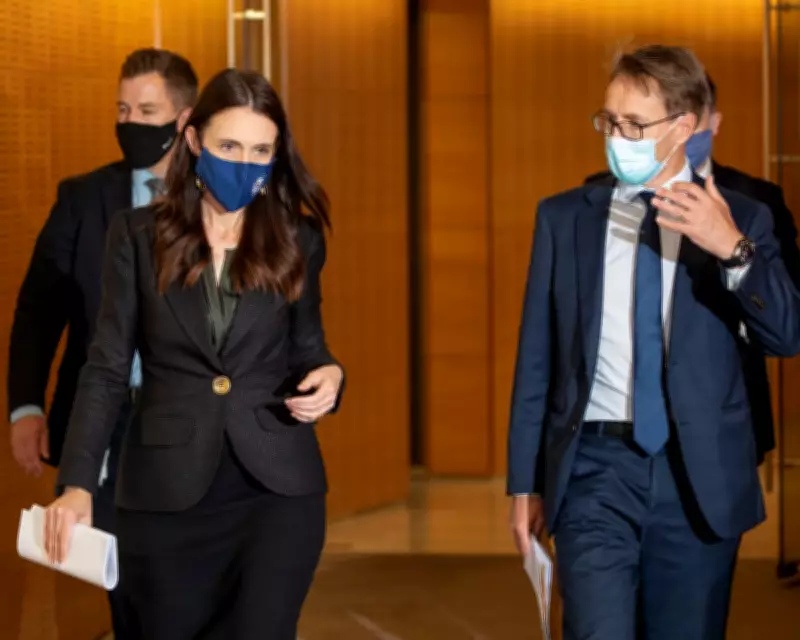
Established in 2022 under Jacinda Ardern's Labour-led government, which governed throughout the pandemic, the royal commission determined that New Zealand's pandemic decisions and methodologies were generally considered and appropriate. The country's stringent measures—including lockdowns, vaccine mandates, and border quarantine protocols—are credited with preventing tens of thousands of deaths, with New Zealand recording 5,641 Covid fatalities since 2020.
Nevertheless, the commission identified several areas where the response proved lacking. The report specifically noted that strategy adaptations often failed to keep pace with evolving circumstances, particularly regarding emerging virus variants. Additionally, some high-stakes decisions were made without adequate information, comprehensive impact assessments, or proper monitoring mechanisms.
Public Trust Erosion and Pandemic Scars
The inquiry documented widespread public testimony expressing profound pain and anger regarding pandemic impacts and government responses. As restrictions persisted, significant public frustration emerged, culminating in vocal anti-vaccine and anti-mandate movements and even violent protests on parliamentary grounds.
The commission's findings state unequivocally: "The pandemic, and the response to it, has left scars." Beyond the tragic loss of life and long-term health consequences, the report highlights how many citizens lost faith in governmental institutions, with some remaining disengaged, sceptical, or openly hostile toward authorities today.
While affirming that ministers and officials operated under extraordinarily complex circumstances and generally did their best, the commission emphasized that restrictive measures like vaccine mandates—though valid pandemic tools—require extremely careful implementation and consideration.
Strategic Recommendations for Future Preparedness
The commission's report presents twenty-four specific recommendations aimed at strengthening New Zealand's pandemic preparedness. A central finding indicates that exiting the elimination strategy proved particularly challenging, with delayed strategy updates creating perceptions of over-centralized, risk-averse governance.
The inquiry suggests that future elimination strategies should be presented as temporary measures from their inception to better manage public expectations. Regarding vaccine hesitancy, the commission determined that such concerns lacked reliable evidence or scientific consensus, recommending continued reliance on best scientific evidence and establishing dedicated agencies to monitor social trust and cohesion.
Health Minister Simeon Brown acknowledged widespread public support for initial 2020 responses but noted restrictions ultimately persisted longer than necessary, with insufficient consideration of economic consequences. "New Zealanders made enormous sacrifices and placed enormous trust in their government. We owe it to them to understand what happened and learn from it," Brown stated.
Political Responses and Future Preparedness Questions
In a joint statement reported by RNZ, former Prime Minister Jacinda Ardern and former Deputy Prime Minister Grant Robertson accepted the commission's findings and recommendations, acknowledging that while New Zealand "got a lot right. More than most," certain areas could have been handled better.
Current Labour leader Chris Hipkins emphasized the urgent need to strengthen institutions, rebuild public trust, and enhance processes for future pandemic readiness. Hipkins pointedly questioned whether current preparedness exceeds 2020 levels, noting recent public health capability reductions alongside multiple overlapping reviews reaching similar conclusions.
The royal commission's ultimate objective remains forward-looking: not to assign blame but to ensure New Zealand emerges better informed and more resilient ahead of the next global health crisis.




