
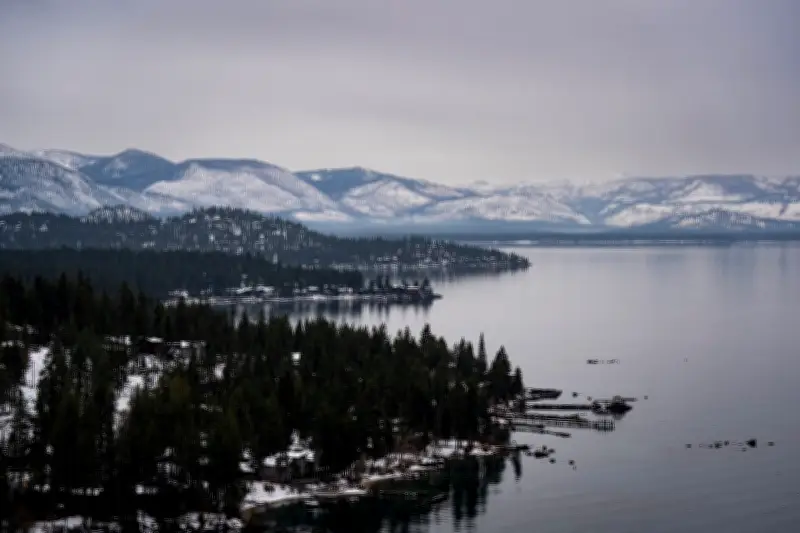
Every year, roughly 2 million visitors flock to Lake Tahoe, an alpine paradise straddling the California-Nevada border, known for its pristine blue waters and year-round outdoor activities. Yet beneath the surface of this idyllic destination lies a troubling reality: the region's suicide rate is nearly double California's state average of 10.1 per 100,000 people, according to an analysis by the Tahoe Daily Tribune.
Since 2022, there have been nearly 40 confirmed suicide deaths in Truckee, South Lake Tahoe, and four lakeside counties—an area with a combined population of about 73,000. Nearly one-quarter of these deaths involved firearms. This phenomenon, often called the "paradise paradox," is not unique to Tahoe but is particularly acute here due to a combination of factors including geographic isolation, seasonal employment, high cost of living, and limited access to mental health services.
Factors Behind the Crisis
Experts point to several contributing elements. The region suffers from a severe shortage of mental health providers. On the south shore, which is more urbanized, there are only 153 mental health providers per 100,000 people—far fewer than California's average of 323.7 per 100,000, according to a 2024 community health report from Barton Health, the only hospital in South Lake Tahoe. The north shore, though more affluent, also reports that up to 10% of adults, mostly low-income, could not access mental health services in the past year, per a 2025 Tahoe Forest Health System report.
Additionally, the area has lacked an official suicide-prevention network for over three years after funding for the previous one expired. This gap forces residents to travel long distances for support. Debbie Posnien, executive director of the Suicide Prevention Network in Minden, Nevada, says attendees often drive 40 minutes to her support groups. "Those clients tell me they don’t have anyone at the lake to talk to," she said. "They have issues with their insurance, places are booked up. And the community is so small there, they worry about being able to talk without being judged."
Jody Wright, executive director of Tahoe Family Solutions, which provides low- to no-cost mental health programs, notes that 65% of their patients are from California. "The mental health crisis doesn’t stop at a border," she said.
Role of Firearm Access
One factor that sets Tahoe apart from other California resort areas is its proximity to Nevada, where gun laws are much less permissive. Nevada does not require state permits, licenses for open carry, or firearm registration, and there is no waiting period after purchase. While background checks are required, Douglas County—one of five counties in the Lake Tahoe basin—voted to become a Second Amendment sanctuary, and sheriffs in at least seven Nevada counties have said they will not enforce stricter background screening laws.
Research shows that access to firearms increases suicide risk. A landmark study found that handgun owners had a suicide rate three times higher among men and seven times higher among women compared to non-owners. "Creating time and distance between a person in crisis and access to lethal means can save lives," said Cynthia Tate, co-founder of the Washoe Suicide Prevention Alliance. "About 90% of people who survive a suicide attempt do not go on to die by suicide later."
Community-Led Solutions
In response to the crisis, residents and organizations are banding together. In 2013, the Truckee community formed the Tahoe Truckee Suicide Prevention Coalition after five young men died by suicide. The coalition brings together county government, nonprofits, schools, police, and hospitals to provide prevention resources and support for those affected by suicide loss. Shannon Decker, who helped create the coalition, said, "There’s so much fear and stigma. In most ski communities, they do not have that level of mental health literacy to be able to talk about suicide. And the antidote is communication and support."
On the slopes, Kari Brandt, president of the Sierra Nevada Resiliency Team, has been training ski workers in peer support and stress management. She hopes to have every ski area in the Sierra Nevada region part of her network by next year. "It will always take grit to work in the ski industry, so being able to talk with someone who understands what you’re going through is pretty key," Brandt said.
Other initiatives focus on firearm safety. The Washoe Suicide Prevention Alliance offers programs for temporary, voluntary firearm surrender to trusted storage partners. Joe Dibble, a co-founder, explained, "Whether you’re giving it to a retailer or to a trusted family member, we all become part of a secure storage network that helps prevent suicide."
Angie Reagan, founder of Peace Love Tahoe, advocates for addressing systemic issues like racism and homophobia that compound mental health struggles. "Tahoe is the most beautiful place in the world," she said. "But it’s also a beautiful little bubble, a place for escapism and people sometimes don’t want to talk about these hard issues. What we really need is consistent education, awareness and training." She added that local government and healthcare systems "need to step up and offer something to the community. They need to try."




