
Kent Meningitis Outbreak Shows Signs of Slowing as Vaccination Efforts Escalate
The meningitis outbreak linked to the University of Kent may have reached its peak, according to the latest data from the UK Health and Security Agency. Officials reported only two new cases on Friday, suggesting a potential slowdown in the spread of the dangerous bacterial infection.
Current Case Numbers and Hospital Admissions
As of Thursday afternoon, UKHSA confirmed 18 definite cases and 11 probable cases connected to the Kent outbreak, bringing the total number of affected individuals to 29. Among the confirmed cases, 13 have been identified as meningitis B, a particularly severe form of the disease. All cases have required hospital admission, underscoring the seriousness of the situation despite the apparent decline in new infections.
Massive Public Health Response Underway
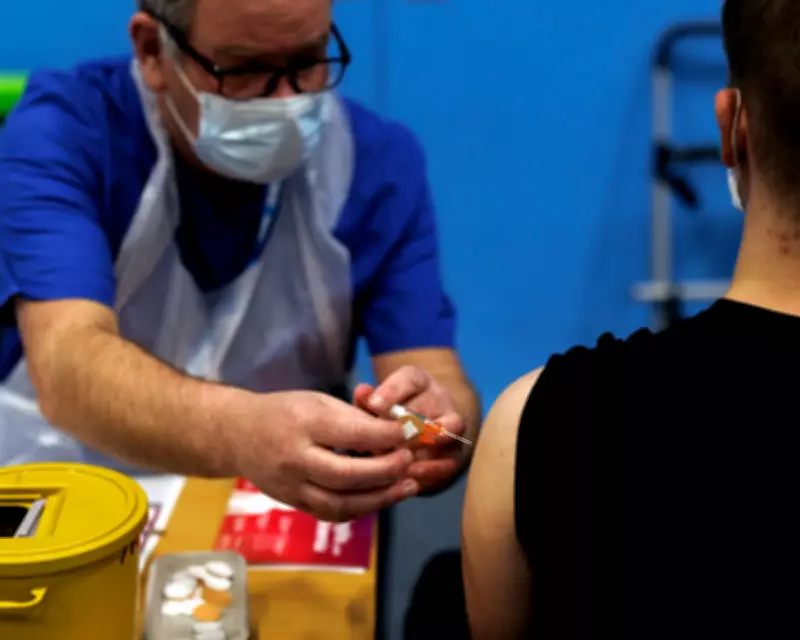
Health authorities have mounted an extensive response to contain the outbreak. By Thursday evening, 2,630 vaccinations had been administered to those potentially exposed, while 9,840 doses of preventative antibiotics were distributed to at-risk individuals. This represents a significant increase from earlier figures, demonstrating the scale of the public health intervention.
Scientific Analysis of the MenB Strain
Professor Robin May, chief scientific officer at UKHSA, emphasized that experts are working tirelessly to understand whether the meningitis B bacteria in this outbreak has become more transmissible. "We've been working around the clock since the discovery of this outbreak to try and understand more about it," May told Times Radio.
The genetic analysis presents substantial challenges due to the complexity of the bacteria's genome, which is approximately 100 times larger than that of the COVID-19 virus. Initial findings indicate that the Bexsero vaccine currently being offered should provide protection against this particular MenB strain, which belongs to sequence type 485 within the larger ST-41/44 clonal complex.
Family Tragedy Sparks Vaccination Campaign
The outbreak has taken a tragic toll, with the family of Juliette Kenny speaking out about their devastating loss. The teenager died on March 14, just one day after developing symptoms that included vomiting and facial discoloration. Her father, Michael Kenny, described their "immeasurable loss" and expressed hope that his daughter's legacy would bring about lasting change.
The Kenny family is now campaigning for teenagers and young people to receive routine access to the meningitis B vaccination, highlighting gaps in current immunization programs that leave certain age groups vulnerable.
Expert Perspectives on Outbreak Trajectory
Several leading infectious disease experts have weighed in on the outbreak's likely progression:
- Professor Paul Hunter from Norwich Medical School noted that with an incubation period of up to 10 days, the peak from the initial super-spreading event has likely passed, though secondary cases among indirect contacts remain possible.
- Dr. Michael Head from the University of Southampton suggested that extensive contact tracing and widespread publicity may have contributed to containing the outbreak, while the vaccine's effectiveness against this strain provides additional reassurance.
- Professor Brendan Wren from the London School of Hygiene & Tropical Medicine indicated that preliminary genetic analysis suggests the strain hasn't mutated into a more invasive form, though complete genome sequencing is needed for definitive confirmation.
Long-term Implications and Future Preparedness
When asked about the possibility of similar outbreaks occurring in the future, Professor May acknowledged this concern while emphasizing the importance of continued learning. "We'll be mindful both of the possibility of this particular strain re-emerging in the future, but also general principles that we'll learn about the bacteria," he stated, highlighting how such outbreaks contribute to broader understanding of pathogen behavior and prevention strategies.
The UKHSA continues to monitor the situation closely, balancing cautious optimism about the outbreak's apparent slowdown with recognition of the serious health threat meningitis represents, particularly in close-contact environments like university campuses.




