
Kent Meningitis Outbreak Sees Case Numbers Fall Following Further Testing
The number of confirmed meningitis cases in Kent has decreased after some initial diagnoses were downgraded based on new laboratory results and clinical investigations. The UK Health Security Agency (UKHSA) reported that as of yesterday, there are 20 confirmed cases, with an additional 9 suspected cases still under review, bringing the total to 29. This marks the first official decline in confirmed cases since the outbreak began.
Reclassification of Cases and Ongoing Vigilance
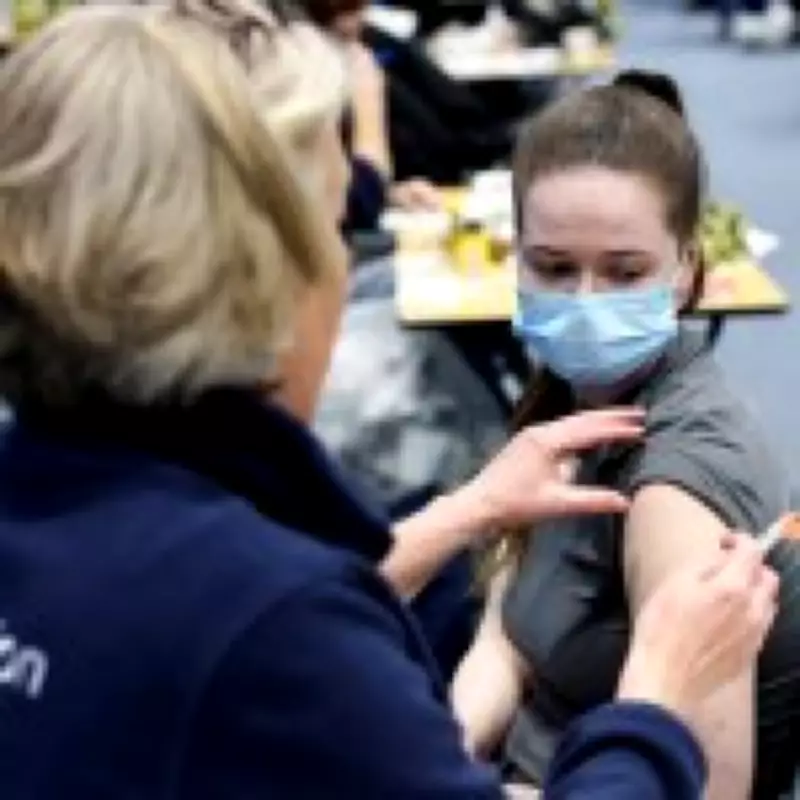
According to the UKHSA, some cases that were initially classified as confirmed have been reclassified following further assessments. The agency stated, "As further laboratory assessments are being completed, we expect some further probable cases to be downgraded in the coming days." Dr. Sherine Thomas, an infectious diseases consultant at UKHSA, emphasized that the organization remains vigilant and is collaborating with the NHS to identify any new cases. She added, "It's reassuring to have seen so many eligible young people come forward for antibiotics and vaccination, and we'd like to thank everyone involved in this effort so far."
Symptoms and Public Health Advice
Despite the decline, health officials warn that the risk to the wider population, while low, persists. Dr. Thomas stressed the importance of public awareness, saying, "It is still really important that people know the symptoms of invasive meningococcal disease and seek immediate medical attention if they or anyone they know develops them." Symptoms can include severe headache, fever, stiff neck, and rash, and prompt treatment is crucial.
Outbreak Origins and Linked Cases
The outbreak has been linked to a nightclub popular with students called Club Chemistry in Kent. Patients include pupils at four Kent schools and one student at a higher education institution in London, with the infection directly connected to the Kent cluster. Additionally, Escape Studios, an animation and video game college in North Greenwich, confirmed that one of its students has been infected. A case linked to the outbreak was also recorded in France and reported to the UKHSA by French officials.
Expert Predictions and Unusual Nature of the Outbreak
Health experts predict that more cases may emerge due to the incubation period of two to 14 days. UKHSA chief scientific officer Professor Robin May warned that cases could still increase slightly, stating, "I would say in outbreaks like this, you would typically expect a small increase in numbers still to go, so I suspect that number will go up slightly." He noted that this outbreak is unusual compared to past incidents, explaining, "Typically, you would expect to see sporadic cases of meningitis, individual patients. Most days, actually, we would see one in the UK. This is obviously a much larger number." Professor May highlighted the remarkable aspect of this event, saying, "What is particularly remarkable about this case, and unexpected about this case, is the large number of cases all originating from what seems to be a single event."
The UKHSA continues to monitor the situation closely, urging the public to stay informed and seek medical help if symptoms arise. Further updates are expected as laboratory assessments progress.




