
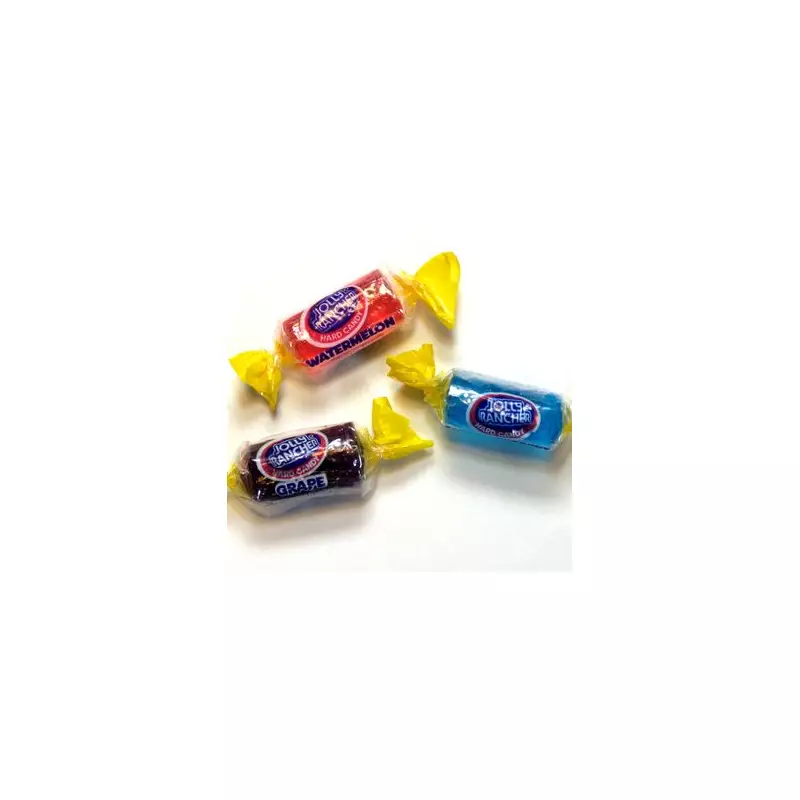
A major nationwide recall has been issued for the popular American sweet, Jolly Rancher, after UK food safety authorities discovered a dangerous chemical contaminant capable of damaging DNA.
Full Product Recall Ordered by Food Safety Watchdog
The Food Standards Agency (FSA) issued an urgent alert on Friday, January 16, 2026, instructing all businesses and consumers to stop selling and consuming the sweets. The alert states that all Jolly Rancher products currently in circulation have been judged unsafe for human consumption.
The contamination stems from the presence of Mineral Oil Aromatic Hydrocarbons (MOAH). These substances are derived from petroleum and are classified as carcinogenic, meaning they have the potential to cause cancer. The primary health risk involves long-term damage to DNA and an increased cancer risk from sustained consumption over time.
What Consumers Need to Do Immediately
The FSA's advice to the public is unequivocal. If you have purchased any Jolly Rancher products, you must not eat them. The recommended course of action is to dispose of the sweets safely in your household waste.
While the agency clarified that an occasional consumption poses no immediate acute threat, the danger is associated with regular, long-term intake. The recall is a precautionary measure to prevent any ongoing exposure to the hazardous compound.
Market Withdrawal and Enforcement Action
Jolly Rancher is owned by The Hershey Company, which ceased direct distribution of the brand to the UK market in 2024. However, the sweets remain available through various importers and food suppliers. The Hershey Company is cooperating with the recall and has taken steps to remove the products.
The FSA, which is responsible for food safety in England, Wales, and Northern Ireland, has now tasked local enforcement authorities with ensuring the sweets are withdrawn from all retail shelves, including supermarkets and independent shops. Their role is to ensure food is safe and accurately labelled, issuing public alerts whenever a product is deemed unsafe.
This incident highlights the ongoing vigilance required in the food supply chain, even for products no longer officially distributed by their parent company. Consumers are advised to check their cupboards and follow the FSA's official guidance.




