
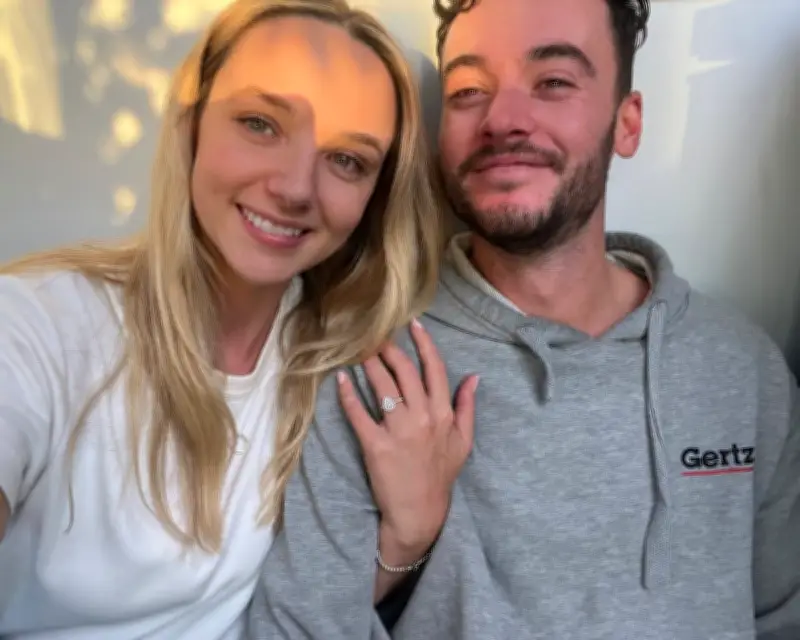
A coroner is investigating the death of Melbourne influencer Stacey Warnecke, who died after choosing a freebirth—a birth without any medical assistance. The inquest aims to understand why some women opt for unassisted births and the role of unregulated birthkeepers.
The Incident
Stacey Warnecke, a 30-year-old nutritionist and wellness influencer, died on 29 September 2025 at Frankston Hospital in southeast Melbourne due to complications from a postpartum haemorrhage at home. She had hired Emily Lal as her birthkeeper, paying $6,000 for pregnancy support. Lal has no medical qualifications.
According to the inquest, Warnecke experienced a massive haemorrhage while lying on her home floor. Lal told her she was likely having a panic attack. Warnecke pleaded, “Don’t leave me.” Lal’s now-removed website stated, “I believe that … outsourcing responsibility for your and your baby’s wellbeing to any external authority (be it a person or a test) is dangerous.”
Delayed Emergency Response
The inquest heard that an ambulance was called only after Warnecke explicitly gave Lal permission—on the third request—about half an hour after the bleeding began. Lal said it was not her role to decide to call an ambulance. On the triple-zero call, Warnecke is heard moaning as her baby cries. Lal told the operator, “The bleeding has stopped.” When questioned about her calm demeanor, Lal replied, “I’m pretty calm in emergencies.”
By the time paramedics arrived, Warnecke was not fully lucid and was found on the floor with a large clot. Earlier, Warnecke had told Lal, “I’m bleeding,” but Lal looked and, seeing no blood, said she was not.
Birthkeeper's Role
Lal told the inquest, “I’m attending as a supportive friend. I’m not there to make a birth safer. I can’t do that.” When asked why she was paid, she said, “I’m not clinically trained. It’s not my role to assess blood loss.” Expert medical witnesses stated that Warnecke likely had internal bleeding, and not all hemorrhage symptoms are visible.
Why Freebirth?
The inquest is examining why women choose freebirth. Warnecke, a first-time mother, had a “deep fear” of medical interventions. Counsel assisting Rachel Ellyard said Warnecke felt her only option for a birth on her own terms was to avoid hospital care.
Evidence from the 2024 NSW birth trauma inquiry revealed that some women felt dehumanized in hospitals and experienced what they described as violence. Nearly half of Victorian hospital births are caesareans, partly due to maternal choice and increased risks with later childbirth. However, expert midwife Dr. Catherine Adams noted, “It’s naive of us to think that all clinicians practice to the highest standard.”
Preventable Death
All expert witnesses agreed Warnecke’s death was preventable with medical involvement. Postpartum haemorrhage is treatable and rarely fatal if recognized early. Warnecke’s early labor lasted about three days, exhausting her uterus and preventing contraction after placenta delivery.
Lal, who received training from the Free Birth Society (criticized by medical professionals for dangerous information), said she was not concerned by the labor length. “Early labour … it’s like … not even real labour,” she said.
Aftermath
A senior doctor at Frankston Hospital reported Lal to police the day Warnecke died, suspecting she gave medical advice. Lal claimed she was just a friend. She left the hospital after Warnecke went into surgery, returned to the home, and disposed of the bloodied carpet. Police found the home cleaned, obscuring the scene. Lal declined to give a statement, saying, “I wasn’t legally required to.” She also got a new phone, losing texts with Warnecke.
The inquest was adjourned late Thursday after new phone evidence was discovered. A return date is pending. Warnecke’s family listened online; their statements were not made public. The coroner stated, “I am aware that Stacey was a vibrant, intelligent and thoughtful woman … the court is endeavouring to understand Stacey’s choices and is not here to criticise them.”




