
Following a serious viral outbreak on a multinational cruise ship, health authorities and leading virologists have a clear and reassuring message for Londoners and the broader UK public.
While the incident involves a rare strain of hantavirus capable of human-to-human transmission, experts emphasise that the strict repatriation and isolation protocols currently in place are designed specifically to eliminate any broader threat to the public. The message is: the risk to the wider community is exceptionally low.
Details of the Outbreak
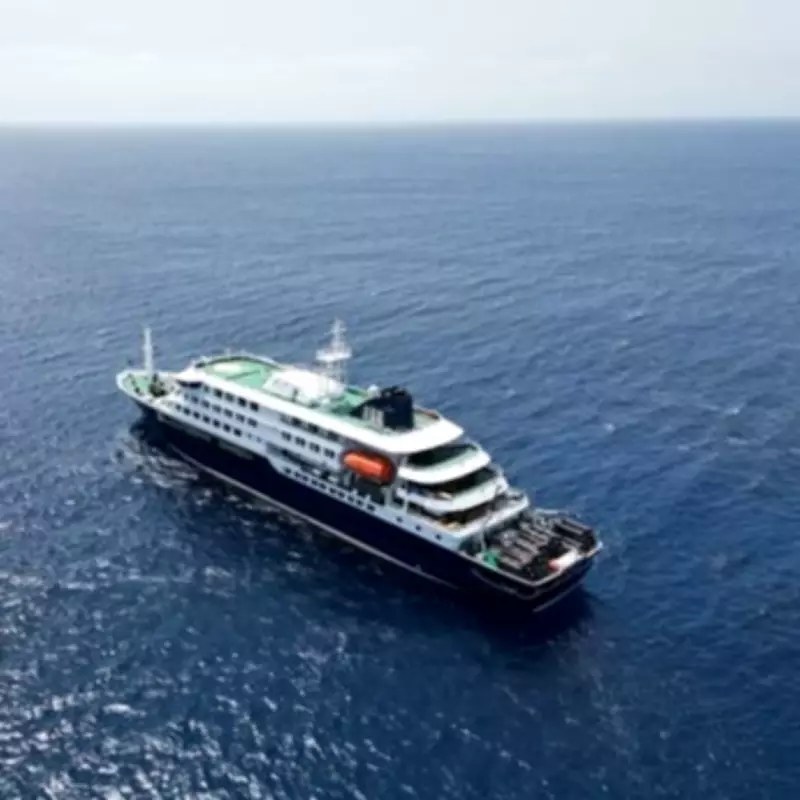
The crisis centres on the MV Hondius, a Dutch cruise ship that departed Argentina a month ago to tour remote wildlife areas. Authorities have identified eight cases connected to the ship—five confirmed and three suspected—including three deaths either on board or following travel.
The outbreak has triggered a massive international response, with several British nationals already medically evacuated to hospitals in the Netherlands and South Africa. Remaining Britons on the ship are being assessed and tested by medical officials upon their arrival in the Canary Islands.
Expert Commentary
Prof Michael Marks, NIHR Research Professor and an Honorary Consultant in Infectious Diseases at the London School of Hygiene & Tropical Medicine, said: "Public health agencies including UKHSA and WHO have clearly been developing plans that can address three areas. Firstly, ensuring the appropriate care and management of individuals who have or may have been exposed to hantavirus whilst on the ship. Secondly, to minimise the risk of exposure to others including staff and residents of the Canary Islands. Thirdly, to minimise the risk of onward transmission in the UK and other countries once individuals are returned home."
He added: "For the UK this includes individuals being assessed by a medical team on arrival to the Canary Islands and tested for Hantavirus before returning to the UK in a dedicated flight and a period of isolation until the incubation period for Hantavirus has passed. Each step is being taken to minimise the risk both to the affected individuals and the wider population. In the context of this detailed plan for testing and isolation, combined with what we know about the transmissibility of Andes virus, the risk of onward transmission to the general public is extremely low both in the UK and the Canary Islands."
Not Like COVID-19
The specific pathogen responsible is the Andes virus, a strain of hantavirus. Typically, humans contract hantaviruses by breathing in air contaminated with virus particles from rodent urine, droppings, or saliva in areas where humans and rodents coexist. However, the Andes lineage is exceptional in the viral world because limited person-to-person transmission has been documented. Health experts suspect that the relatively cramped, restricted living conditions on board the cruise ship may have facilitated this rare human-to-human spread.
Despite the severity of the disease—which has no widely available vaccine or specific antiviral treatment and can cause severe respiratory difficulties and kidney failure—experts stress there is no cause for panic at home.
Dr Maria Van Kerkhove from the World Health Organization (WHO) explicitly addressed fears of a widespread outbreak, stating: "This is not Covid, this is not influenza, it spreads very, very differently." Unlike highly contagious respiratory illnesses, the Andes virus is not easily infectious.
Prof Jonathan Ball, Deputy Vice-Chancellor and Professor of Molecular Virology at the Liverpool School of Tropical Medicine, explained the virus's limitations. Although the Andes virus spreads more readily between humans than other hantaviruses, transmission is still highly inefficient and "requires very close contact, probably over relatively long periods of time," he said. Because of this, Prof Ball confirms that "the risk that the returned passengers pose to the wider public is very very small indeed."
Strict 45-Day Quarantine
To guarantee public safety, the UK Health Security Agency (UKHSA) and international partners have implemented what experts describe as a highly stringent and cautious containment strategy.
Remaining Britons on the ship are being assessed and tested by medical officials upon their arrival in the Canary Islands. Those without symptoms will be brought back to the UK on a dedicated charter flight. Upon their return, these passengers are subject to a massive 45-day period of self-isolation and routine testing.
Dr Giulia Gallo, a Postdoctoral Scientist at The Pirbright Institute, noted that this lengthy isolation period is crucial because symptoms of the virus can take up to six weeks to develop. The extended monitoring ensures any missed infections are caught before there is any risk of human-to-human transmission.
Prof Sir Peter Horby, Director of the Pandemic Sciences Institute at the University of Oxford, praised the UK's response, calling the repatriation and isolation plan "the right thing to do, morally and scientifically." He reassured the public by summarising the situation clearly: "The approach is stringent because this virus can cause severe disease, but the risk to the general population is very low."




