
Food Justice Movement's Misguided Assumptions in South Central Los Angeles
In South Central Los Angeles, a region often labeled a food desert, well-meaning food justice advocates have long operated under flawed assumptions about the community's needs. According to anthropologist Hanna Garth, who has researched the area for over a decade, these activists frequently portray residents, predominantly Latinx and Black, as lacking knowledge about healthy eating, rather than addressing deeper structural issues.
The Knowledge Gap Myth
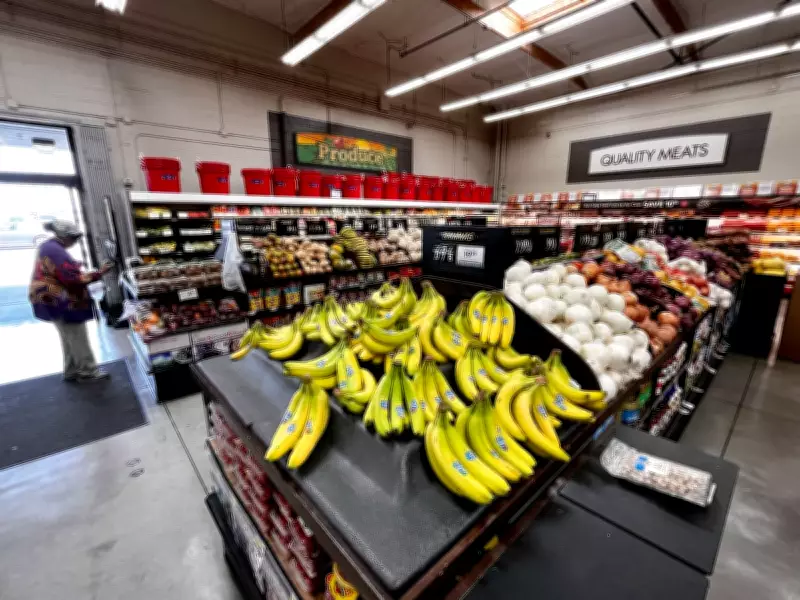
Garth's research began 13 years ago with interviews like that of Randy Johnson, a white executive director of a food justice organization. Johnson described South Central as a wasteland with little access to groceries, claiming residents had "almost zero education" about healthy choices. However, Garth documented dozens of full-service grocery stores, independent markets, and fish markets in the area, contradicting this narrative.
She observed that food justice organizations, often led by outsiders, built programs based on the false premise of a knowledge deficit. For instance, cooking demonstrations, such as one led by a master's graduate named Molly, focused on teaching "healthy" alternatives like whole wheat wraps and cauliflower substitutes. During a taco-making workshop, students pointed out practical issues, like the need to heat tortillas, indicating their existing cooking knowledge was overlooked.
Real Issues: Affordability and Structural Inequalities
Residents consistently highlight food costs as a primary concern, not a lack of knowledge. With a median individual income of $18,995, strategies like shopping sales are essential. Ms. Corrinne, a resident interviewed by Garth, explained how she drives to multiple stores to buy ground turkey on special, refusing to pay high prices. This reflects broader structural problems, including poverty, educational inequality, and limited job access.
Despite some activists acknowledging these issues, funding constraints and nonprofit politics often force a focus on short-term, tangible projects like cooking demos or store conversions. These efforts fail to address the root causes of food apartheid, where South Central has fewer grocery stores per capita and older, overcrowded facilities compared to other parts of Los Angeles.
Grassroots Alternatives and a Path Forward
In contrast, local grassroots and Black-led organizations offer more effective approaches. Groups like Black Women for Wellness and the South Central Run Club focus on holistic healing and community-driven solutions, emphasizing personal and collective liberation. National organizations such as the Ujamaa Cooperative Farming Alliance and the National Black Food and Justice Alliance work on larger scales to promote self-sufficiency.
Garth argues that the food justice movement must shift from nutrition education to addressing historical inequities. By listening to communities and supporting grassroots efforts, we can build a more equitable food system that truly serves all residents.




