
Enfield Measles Outbreak: All Infected Children Were Unvaccinated
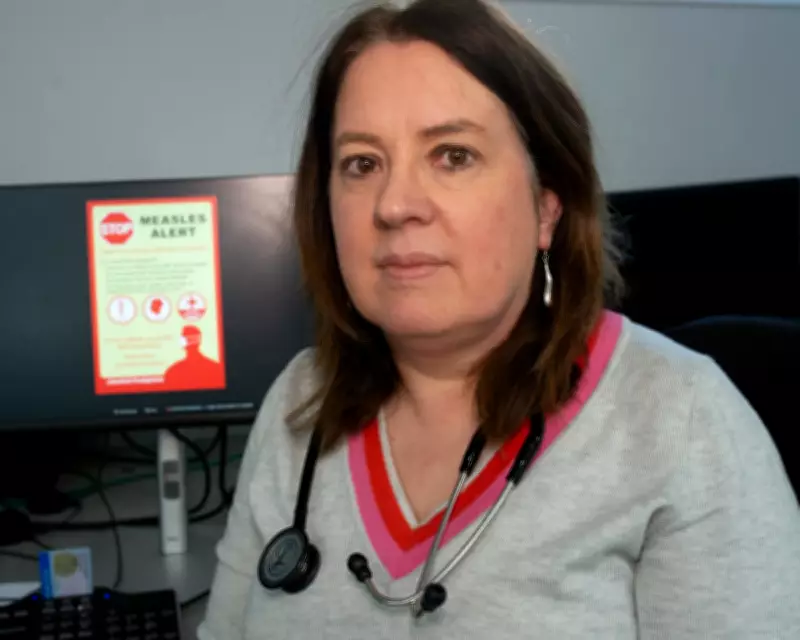
Health professionals in north London have confirmed a troubling statistic in the ongoing measles outbreak: every single child infected in the Enfield borough had not received the MMR vaccine. Dr. Phillipa Vincent of Carlton House Surgery in Enfield Town revealed that figures show all measles cases among children in the area involved unvaccinated individuals, with one in four requiring hospitalization.
A Long-Standing Public Health Challenge
For residents and workers in Enfield, the current measles outbreak represents both a shock and an expected development. The borough has been grappling with low vaccine uptake for years, battling against persistent vaccine hesitancy, widespread online misinformation, and significant health inequalities. Enfield council's director of public health, Dudu Sher-Arami, described working closely with communities to encourage vaccinations as an "ongoing public health challenge" that requires continuous effort and innovation.
"This has not come as a surprise to us," Sher-Arami explained. "We've been trying to work to increase vaccination uptake for many years. And so we do reach into various communities." She specifically cited Edmonton as the focal point of the measles outbreak, an area characterized by high levels of deprivation similar to other regions with low vaccine uptake.
Addressing Complex Barriers to Vaccination
Sher-Arami highlighted several factors contributing to low vaccination rates, including economic pressures that push health priorities down people's lists. "We can all understand that if people are in a position where they have three jobs, low income, insecure housing, then vaccination is not going to be on the top of their to do list," she said. Additionally, she noted the "churn of the population" as another significant factor affecting consistent healthcare access.
The most effective interventions currently involve school-based immunisation programmes, though Sher-Arami emphasized that "having faith leaders and community leaders on board with accurate positive information also works" to build trust within communities.
Current Response and Clinic Activities
Enfield authorities are now "working very hard" to identify children who have missed vaccinations by scouring databases and contacting parents directly. A special vaccination clinic has been established at the school with the highest number of cases, with additional capacity created across the borough through extra slots at GP surgeries.
Dr. Vincent reported that following recent news coverage of the outbreak, her clinic has experienced increased demand for vaccines, including among adults, though numbers remain relatively low. The surgery has implemented strict protocols, prohibiting any unvaccinated child with possible symptoms from entering waiting rooms to prevent further spread.
The Misinformation Challenge
Both health officials identified misinformation as a major obstacle to vaccination efforts. "In the UK, there's a huge amount of misinformation about vaccination," Sher-Arami stated. "Over many years there's been a bit of a reduction in trust of scientific information, the NHS, certainly local authorities, our state bodies, with regard to vaccination."
Dr. Vincent observed "a lot of vaccine hesitancy" in the community, exacerbated by the COVID-19 pandemic. "I don't think it's about the autism stuff any more," she noted, referring to long-debunked claims linking vaccines to autism. Instead, she explained that people are "genuinely afraid about the contents of vaccines" and "believe the nonsense put out there by non-scientific pressure groups" on social media platforms.
Community Perspectives and Parental Concerns
Parents outside Carlton House Surgery reported receiving notifications about measles from their children's nurseries and primary schools. One parent requested expedited vaccination for preschool children due to the outbreak but was advised to wait until they reached the appropriate age. Another parent, identified as Pan, expressed confusion about low uptake despite personal compliance: "My children are both vaccinated so I'm not too concerned about my kids, we've done the right thing. I'm just thinking why the uptake is so low to be honest. Our group we mix with are all pro-vaccines."
Expert Analysis of Underlying Factors
Professor Azeem Majeed, head of primary care and public health at Imperial College London, identified several intersecting factors affecting vaccine uptake in Enfield. These include the prevalence of ethnic minority populations with lower education levels, economic deprivation, and high residential mobility. "All these factors intersect with online misinformation and distrust of local authorities," he added. "Certain communities have distrust of authority because of bad experiences with councils, in health, education, welfare or housing."
Professor Majeed noted that vaccine uptake has been steadily declining since 2012, attributing this trend to overstretched GP surgeries having less time for preventive work and the increasing influence of social media misinformation. However, he observed that media coverage of outbreaks typically drives more people to seek vaccination, though he cautioned that official case numbers likely represent underestimates.
Potential Solutions and Future Directions
Ronny Cheung of the Royal College of Paediatrics and Child Health proposed several solutions to improve vaccination rates. These include expanding who can deliver vaccines through promising health visitor pilot programs and engaging local communities through targeted messaging delivered by trusted voices. He noted that current community engagement efforts remain "patchy" despite their proven effectiveness.
Cheung identified access barriers as a significant issue, with many people struggling to obtain appointments or lacking necessary information to prioritize vaccinations. He suggested health professionals need additional training to address these challenges effectively. Importantly, he challenged common perceptions about vaccine hesitancy: "Most conversations I have with parents who are labelled as vaccine hesitant actually are very positive and at the end of it, are happy to go get the vaccines. It's not the deep-seated scepticism people think of."
Enfield continues to evaluate different approaches to reach hard-to-reach communities, with Sher-Arami emphasizing that authorities "can't just continue doing the same thing." She expressed hope that upcoming government-funded pilot projects exploring opportunities for health visitors to provide vaccinations will improve the situation moving forward.




