
Tropical Cyclone Narelle Intensifies, Prompting Mass Evacuations Across Northern Territory
An emergency warning has been issued as Tropical Cyclone Narelle approaches the Northern Territory, with very destructive winds gusting up to 195 kilometers per hour forecasted. The cyclone is expected to make landfall late Saturday, bringing significant threats to communities from Nhulunbuy to Port MacArthur.
Emergency Warnings and Evacuation Orders
NT Fire and Emergency Services Commissioner Andrew Warton issued the highest-level warning around midday on Saturday, covering areas including Borroloola, Numbulwar, Alyangula, and Gapuwiyak. Residents have been instructed to take immediate shelter in the smallest, strongest rooms of their homes, such as bathrooms or toilets, and avoid venturing outside due to extreme danger.
"We implore you, wherever you are in the impact of this cyclone, please do not venture outside into the storm. It's dangerous," Warton emphasized.
Cyclone Path and Forecasted Impact
The Bureau of Meteorology predicts Narelle will strengthen as it approaches, making landfall at approximately 3am as a category 3 cyclone. Moving west in the Gulf of Carpentaria at about 20 kilometers per hour, the system is expected to bring heavy rainfall between 150mm and 200mm daily, with potential peaks of up to 300mm.
Rainfall is forecasted to peak on Sunday and Monday, likely causing major flooding in the Katherine River, Daly River, Waterhouse, and Adelaide River catchments. The Australian Defence Force has already evacuated nearly 150 people from Numbulwar, with hundreds more scheduled for evacuation flights.
Evacuation Centers and Community Response
In Darwin, approximately 500 Numbulwar residents have sought refuge at Nightcliff High School's gymnasium, which has been transformed into an evacuation center. However, concerns have been raised about the quality of care in these facilities.
"There's reports of the food, the bedding, it's not good enough," said Matthew Ryan, chair of the Northern Land Council. "Some people have been sleeping without mattresses which is appalling. We should have been better prepared."
Preparations and Recovery Efforts
Federal Emergency Management Minister Kristy McBain confirmed that the Australian government disaster recovery payment has been activated for affected areas, including Daly River, Victoria Daly, and Lansdowne in Roper Gulf. Payments will be available from 2pm on Tuesday, with residents advised to check the Services Australia website for eligibility.
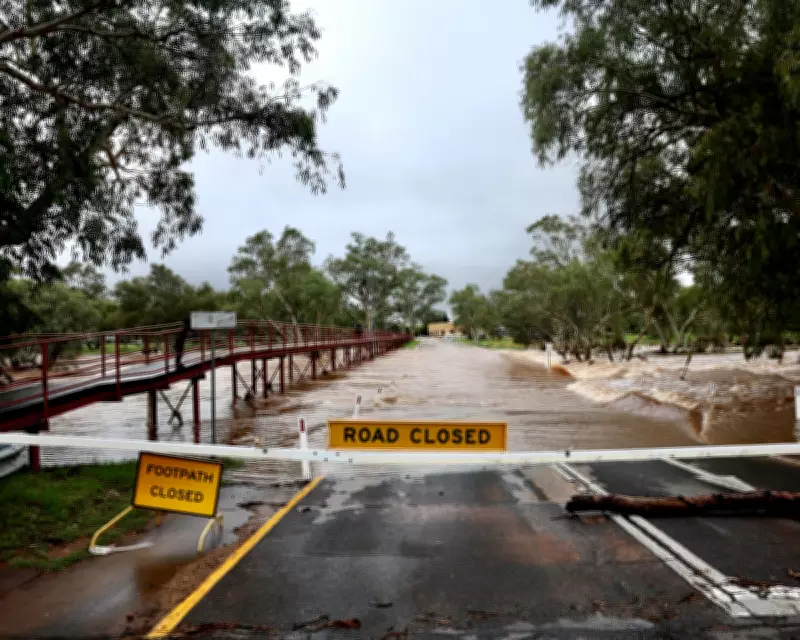
In Katherine, 4,000 sandbags and 110 tonnes of sand have been deployed in anticipation of rising rivers and potential flash flooding. NT Chief Minister Lia Finocchiaro warned of moderate to major flood levels expected by Monday.
"The community is obviously still reeling over last week's flood and are now in full-blown preparation mode," Finocchiaro stated.
Queensland Impact and Regional Coordination
While the cyclone's primary impact focuses on the Northern Territory, Queensland has also experienced effects from Narelle's path. Approximately 1,100 people remain without power across Cape York, with reports of structural damage and fallen trees.
Queensland Premier David Crisafulli noted that three emergency helicopters were conducting damage assessments across 16 communities, with particular attention to road conditions. The Queensland government is providing 10 storm pods containing recovery equipment to assist the Northern Territory's response efforts.
As Tropical Cyclone Narelle continues its trajectory toward the Northern Kimberley before moving offshore to the Indian Ocean from Tuesday, authorities remain on high alert, coordinating evacuation and preparation measures across multiple jurisdictions.




