A Son's Journey: Rebuilding Bonds Before a Dementia Diagnosis
Chris Snell, a 33-year-old plasterer from Reading, never imagined that the playful warnings from his father David would become a harsh reality. David, now 83, often told his teenage son that if he ever developed dementia, he would hope for a quick death, having witnessed his first wife Joyce succumb to the brain disease in her sixties. "Dad would say it to me when I was a teenager, and I just laughed it off," Chris recalls. Little did they know, Alzheimer's Disease would soon dominate their lives.
The Early Signs and Diagnosis
Thirteen years ago, when Chris was just 19, David began showing subtle signs of cognitive decline. He started repeating himself, which Chris initially dismissed as normal forgetfulness. However, incidents like scammers targeting him online and David becoming tearful over forgotten banking passwords raised alarms. "He would drive to Morrisons for breakfast every Monday. It should have taken seven minutes, but there were times where it took him two hours to get there and two hours to get back," Chris remembers. "He would come back and say, 'I got bloody lost! I just didn't know where to go. I was driving and driving.'"
After a few months, David visited his GP, who referred him for a brain scan and memory tests. The diagnosis of Alzheimer's came as a shock. "I just wanted to reassure my dad. I told him I'd be there for him, and that he didn't need to worry," Chris says. "He didn't have much of a response. I think he was in denial." With no prior experience of dementia—David's first wife died before Chris was born—he felt unprepared for the challenges ahead.
Reconciliation and Living Together
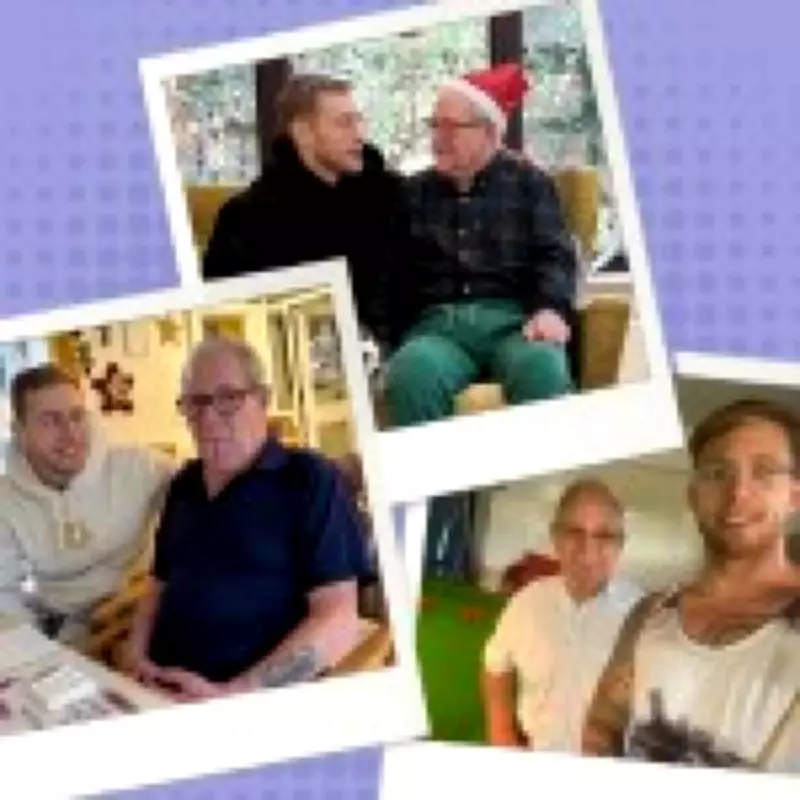
Chris and David had a strained relationship during Chris's teenage years, often clashing over differences. After his parents' separation, Chris was determined to rebuild their bond. Putting aside past conflicts, they discovered common interests, enjoying nights out at pubs, beer festivals, and Chris's emcee gigs. Two years post-separation, Chris moved into a small mobile home with his dad near an industrial estate in Reading, concerned about David's loneliness.
Post-diagnosis, Chris navigated the complexities of caregiving in the dark. One early hurdle was addressing David's unsafe driving. "Anytime my dad wanted to go somewhere, I would chirpily insist on driving. But if I couldn't be there, I would hide his keys," Chris explains. He resorted to creative tactics, like printing a fake garage note stating the keys were under repair, to avoid confrontations. "I'd learned that you shouldn't fight with dementia patients; you have to play along with it a bit," he adds.
The Toll of Caregiving
As the disease progressed, Chris witnessed his father becoming increasingly distant and isolated. One winter afternoon, he found David sitting motionless, staring at the floor for an hour. "I started crying, and just watched him," Chris recalls. "I was thinking about how he felt and what was going through his mind." Daily challenges mounted, from David leaving the gas on to wandering lost in the woods barefoot. Chris's plastering business suffered as he rushed home frequently to handle emergencies.
A critical moment came 18 months after diagnosis when David had a stroke in the bath. Chris's quick response saved his life, but it led to a health assessment and the introduction of carers. However, this brought financial strain, as they had to pay for care while their mobile home deteriorated. Chris fought the council for months to cover costs, describing it as an "emotionally exhausting time" where he sacrificed his own life. "My mum would look after my dad so I could go out to events on the weekend, but he was always on my mind. I was always waiting for bad news," he says.
Moving to a Nursing Home and Reflections
Three years ago, David's condition worsened, requiring round-the-clock care, and Chris moved him into Suffolk Lodge nursing home in Wokingham. While distressing, this milestone offered Chris some relief. "Every time I visit, he is well-groomed, smiling and chatty," he notes. The decade of caregiving left Chris battle-worn, with his voice weary. "The whole experience took away all my passion and drive. It took a lot away from who I was," he admits, reflecting on lost time in his twenties while friends married and he remained single.
Recently, David has faced hospital stays due to falls and sepsis, no longer walking or speaking much, but he still recognizes Chris. "Every time I go to see him, I stand near him, and then a carer would say, 'Look David. Look who's here.' And he would instantly chirp up and say 'Hello.' I feel like he's familiar with me," Chris shares. He has filled David's room with family photos to aid his memory.
Cherished Memories and Advocacy
Despite the hardships, Chris treasures sweet moments, like trips to Portugal and Barcelona where David danced at a drum n bass event. "People would come up to him and say he was a legend," Chris smiles. He emphasizes the broader impact of dementia, calling it a "cruel disease that affects the family as much as the patient." Chris advocates for more support for families, noting his dad's mellow nature spared him from violence, a common issue for others.
In summary, Chris's story highlights the emotional journey of rebuilding a relationship only to face dementia's relentless grip. It underscores the need for increased awareness and resources to support caregivers and patients alike.