The ongoing murder trial of Lindsay Clancy, a 36-year-old Massachusetts woman who admitted to killing her three children in 2023, has become a breeding ground for online conspiracy theories, according to experts. These theories, fueled by what is termed “forensic fandom” on social media, threaten to undermine years of efforts to destigmatize postpartum mental illness, they say.
Amateur sleuths push conspiracy theories
Clancy’s livestreamed trial has attracted amateur sleuths on TikTok and other platforms, who are promoting viral conspiracy theories. A prominent theory suggests that Clancy’s ex-husband, Patrick Clancy, actually committed the murders and framed her. Despite surveillance footage and phone records corroborating Patrick’s alibi—he was at a CVS picking up medications during the murders—some online sleuths claim he may have hired a body double.
One TikToker with 100,000 followers speculated, “Is it possible she wasn’t ever psychotic at all? Was Patrick or someone else manufacturing conditions to actually drive Lindsay mad, so that she could seem mad?” This user has posted multiple videos about the trial, some with millions of views.
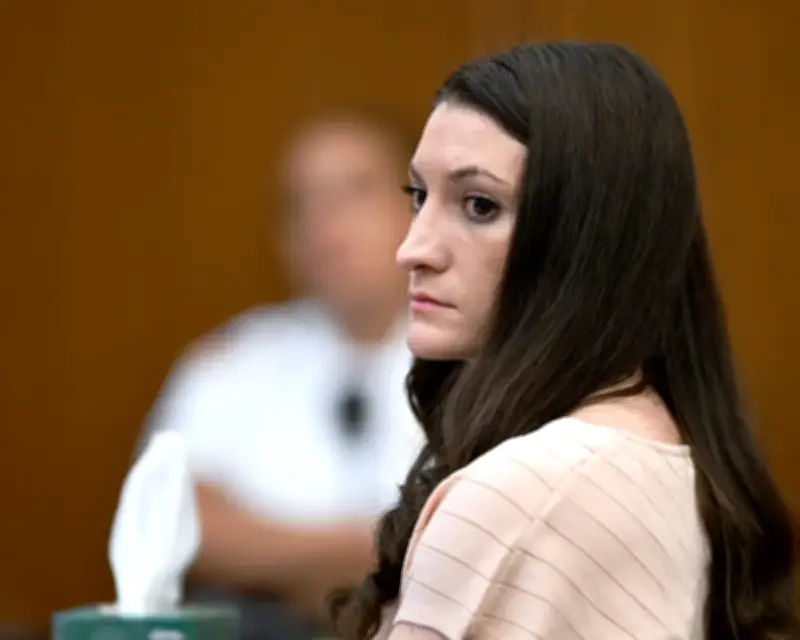
Clancy’s defense argues she was in the throes of postpartum psychosis, a severe psychiatric condition affecting one to two women per 1,000 births, which can cause hallucinations and paranoid delusions. She faces three counts of murder, and her lawyers claim the killings occurred while she was insane. Clancy, who allegedly jumped from a 20-foot-high window after the murders and is paralyzed from the waist down, appeared in court in a wheelchair.
Experts explain the phenomenon
Andrea Clark, deputy CEO at Postpartum Support International, attributes the conspiracy theories to societal discomfort with the reality that a mother could kill her children. “The way that misogyny and sort of patriarchy shapes the narrative about motherhood is that it’s this time when you’re supposed to be happy, and this time when you’re supposed to be filled with joy, and that mother’s first and primary job is to nurture and to care for and to protect,” she said. This idealized narrative leaves little room for women struggling with postpartum disorders.
Katy Coduto, an assistant professor of media science at Boston University, identifies “forensic fandom” as a key driver. This social media phenomenon involves people engaging with real-life cases as if they were fictional shows, seeking clues to support a narrative. “But crime cases don’t follow a clean narrative, even though viewers and listeners really want them to,” Coduto said. “It’s hard to accept that someone could do something terrible, so citizen sleuths are really trying to make anti-normative behaviors make sense and fit into a logical pattern.”
Impact on awareness and stigma
Coduto fears this forensic fandom could be “detrimental to other women experiencing postpartum depression” who are trying to understand what happened. Clark agrees, noting that denying postpartum psychosis’s role in Clancy’s killings could entrench stigma and create a “chilling effect” on women seeking treatment.
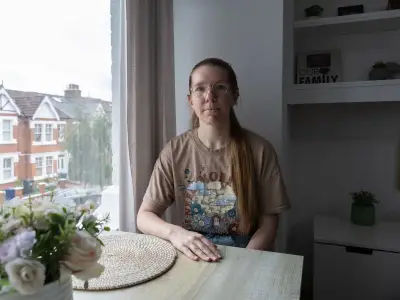
Meghan Cliffel, a mental health advocate who experienced postpartum psychosis in 2015, expressed distress over the sensationalized coverage. “It feels heartbreaking to have the media kind of so unrelentingly focused on this story at this moment, after not really digging in and caring about this issue outside of that for the past however many 100 years,” she said. Cliffel’s own experience involved believing a cult was plotting to kill her and her daughters, leading to a diagnosis that she called a “giant relief.”
Cliffel argues that conspiracy theories distract from systemic issues like “no paid leave, lack of inclusion of women in mental health trials until the 1980s, lack of board exams in reproductive psychiatry despite it affecting half the population, coupled with the ridiculous Instagram-worthy standards of motherhood.” She compared the media circus to “witch trials,” where women’s difficulties are erased. She urged compassion instead of speculation.