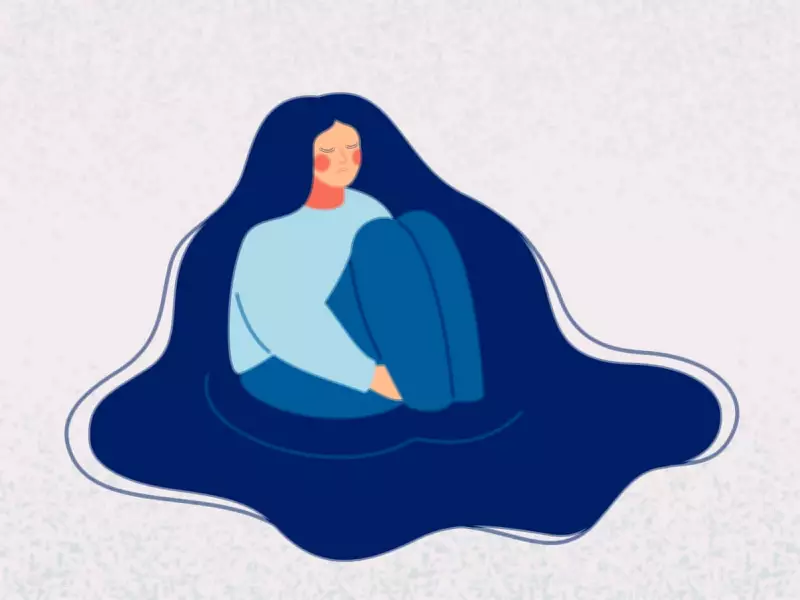
Family estrangement is more common than people think, but research shows the effects on wellbeing are mixed. In many cultures, estrangement carries a stigma, a direct challenge to deeply held values about what family should be. People estranged from families often feel shame or a sense they’ve failed, and carry the distress silently, in private. However, research on estrangement suggests it’s far more common than most people realize.
The Continuum of Estrangement Experience
Estrangement is not binary; rather, it’s a continuum of reducing contact. At one end, people experience persistent awkwardness, strained silences at meetings, or unspoken agreements about what can’t be mentioned, with a guilty wish for respite. Further along is rage and ceasing of contact, with a possibility of reconciliation. Then there’s complete cessation – a decision to formalize the rupture with no intention of reverse. Some people choose to permanently block numbers, perhaps moving cities or even countries to create more distance. Each step along this continuum represents changing psychological relationships to the lost person – from anger and ambivalence to loss and grief, despair and often, determination.
Pathways to Estrangements
Kristina Scharp describes two pathways: “sudden death” and “fading away,” and notes that even the sudden-death cases usually have some prehistory. The “final straw” is rarely the cause but marks the moment that crystallizes everything that seems irresolvable. Research shows the most common reasons cited for estrangement are abuse and neglect, substance misuse, major value differences, and notably divorce, which becomes a significant risk factor for later parent-child estrangement.
Is Estrangement the Right Course?
In the moment, estrangement can feel like a clean relief, but it may not stay that way, even when it is necessary (in situations of abuse, for example). The research on positive wellbeing outcomes from estrangement is mixed. It seems to depend heavily on the reason for estrangement: cutting off an abusive parent tends to improve wellbeing; estrangements driven by value differences are more equivocal. Estrangement may also change the view we have about ourselves.
Pathways to Reconciliation?
Reconciliation and repair may be possible and wanted. And sometimes, estrangement feels like the only option. In those cases, support needs to be helping people grieve and cope in the best way possible for them. Researchers have shown that providing people with warmth, validation and safety may be the missing ingredients from the estranged relationships and may provide some comfort. For some, the question of reconciliation is closed – not from bitterness, but from a hard-won clarity about the negative impact on wellbeing from continued contact. They grapple with what psychologists call ambiguous loss – grief for a person who is still alive, and a relationship that has no formal ending. There are no comforting rituals for this loss, no condolence cards. Support groups have been found to reduce shame and distress, helping to validate the loss.