Unlocking the Hidden Worlds of Dementia Through Reading and Music
In response to Jo Glanville's poignant article about reading to her parents with dementia, numerous readers have shared their own deeply moving experiences. These personal accounts powerfully illustrate that individuals living with dementia remain fully human, with rich inner lives, joys, and interests that can be accessed through thoughtful engagement.
The Enduring Power of Shared Reading
Rowan Adams from Dilwyn, Herefordshire, describes how their mother lived with vascular dementia for many years, emphatically stating she was not "dead" or "as good as dead." This dangerous misconception, they argue, undermines the rights of already vulnerable people. Even as their mother became bedbound and spoke very little, daily reading sessions continued to provide meaningful connection.
"We read to her even in her last four days after she'd been taken to hospital," Adams recalls. "And even then we could still tell what she was enjoying and what she wasn't." The family persisted with reading and music even in hospital settings, finding that proper pain management allowed their mother to remain peaceful until the end.
Innovative Approaches to Cognitive Engagement
Matt Singleton, a gerontologist and director of Cognitive Books, took a creative approach when his father received an Alzheimer's and vascular dementia diagnosis in 2017. Rather than accepting that his father's lifelong love of reading had ended, Singleton developed short, illustrated rhyming books with optional audio and music.
These materials incorporated exercises based on cognitive stimulation therapy designed to stimulate conversation. Working with the Alzheimer's Society, they discovered that people with mild to moderate dementia could still read independently, while others enjoyed stories with partners, in groups, or through audio formats.
"The results have been extraordinary," Singleton reports. "We've helped thousands. My father might not be able to remember breakfast, but he can recite from memory passages about the Beatles or the 1966 World Cup."
Musical Memories That Transcend Dementia
Catherine Roome from Staplehurst, Kent, found success through music during lockdown while connecting with her sister who had Alzheimer's. Recalling their childhood party piece - the song "Sisters" sung by the Beverley Sisters - Roome would play the song during FaceTime calls with her sister in a nursing home.
"She, whose memory had been shot to pieces, amazingly joined in, smiling and being released for a short while from her illness," Roome writes. "Just wonderful." This experience demonstrates how familiar music can temporarily transcend the limitations imposed by dementia.
Challenging Societal Perceptions
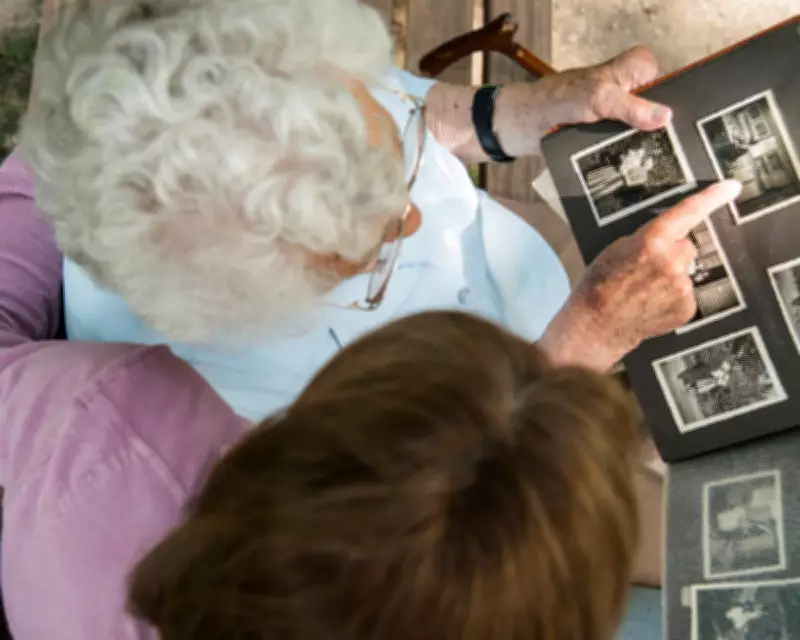
Jane Linden from Darsham, Suffolk, echoes the central theme that people with dementia are not "dead." She describes enjoying photographic books of Victorian children with her mother during the late stages of dementia, as well as the continued pleasure her mother derived from receiving letters.
Linden connects this to broader societal debates, noting: "The proponents of 'assisted dying' deny that their bill is the thin end of the wedge - but we clearly see the wedge in the hands of the novelist Ian McEwan, who, as Glanville says, has advocated for its extension to people with dementia."
A Unified Message of Person-Centred Care
These diverse accounts converge on several crucial points:
- People with dementia retain their essential humanity and personhood
- Meaningful engagement through reading, music, and familiar activities remains possible
- Care should focus on what individuals can still do and enjoy rather than what they've lost
- Societal attitudes that diminish people with dementia must be challenged
The collective wisdom from these readers offers both practical strategies for connecting with loved ones living with dementia and a powerful ethical framework for ensuring they receive the dignity and respect they deserve throughout their journey with the condition.