Dandruff affects about half the world's population, according to experts. While not dangerous, an itchy, flaking scalp can be annoying. This article explains what causes dandruff, how to manage it at home, and when to seek professional help.
Understanding Dandruff and Its Causes
Dandruff is the mildest form of seborrheic dermatitis, a type of skin inflammation that typically affects the head, face, or trunk. In severe cases, it leads to patches of red skin covered in tiny, greasy scales. However, most people with dandruff experience only minor scaliness without redness, limited to the scalp.
Experts do not know exactly what causes dandruff, and multiple factors likely contribute. A yeast called Malassezia is a leading suspect, according to James Pathoulas, an assistant professor of dermatology at the University of Minnesota Medical School specializing in hair and scalp disorders. Malassezia normally lives harmlessly on the scalp, but its overgrowth has been linked to scalp inflammation.

Natasha Mesinkovska, an associate professor of dermatology at the University of California, Irvine, suggests viewing seborrheic dermatitis as a system dysfunction rather than a single organism causing trouble. Scalp health depends on a "trifecta" of factors: the scalp's microorganisms, its ability to keep those organisms out of deeper skin layers, and the skin's immune response to them.
Who Gets Dandruff and How to Treat It
It is unclear why some people develop dandruff and others do not. Genetics may play a role, with at least 11 gene variants linked to the condition. Hot, humid weather or intense workout routines can also contribute. Hormones that drive oil production can affect symptoms, beginning around puberty and changing during pregnancy or menopause.
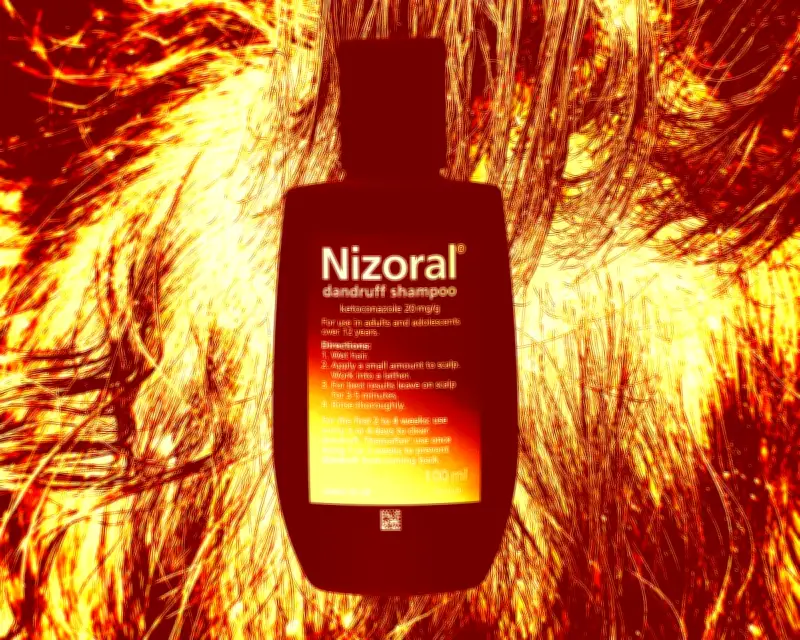
For occasional light scale without significant redness or itch, over-the-counter dandruff shampoos can help. The three most common active ingredients are zinc pyrithione, selenium sulfide, and ketoconazole. All are equally effective at lowering Malassezia populations, reducing inflammation, and stopping flakes.
Pathoulas recommends massaging the shampoo into the scalp (not just the hair) and leaving it on for a few minutes before rinsing. Use it three times a week; either regular conditioner or a dandruff-specific product is fine. On in-between days, regular shampoo and conditioner are acceptable.
Ketoconazole and selenium sulfide can dry out hair and cause breakage, especially for dry, highly textured, or coily hair, Pathoulas notes. If this occurs, or if you already use hair oils or leave-in conditioner, look for a gentler, sulfate-free zinc pyrithione formulation made for textured hair. Going fragrance-free where possible is also advised, as fragrance is a common cause of scalp contact allergy, and natural botanical fragrances can also trigger reactions.
Maintenance and When to See a Doctor
Once symptoms clear, most people can reduce dandruff shampoo use to once a week. If a shampoo that worked for months suddenly stops being effective, the yeast may have developed resistance, Pathoulas says. Switching to a different active ingredient for a while, then back, can restore control.
If your scalp clears with medicated shampoo but flaking resumes within days of stopping, this signals the underlying problem needs more attention, according to Mesinkovska. Thick, red, sharply defined plaques with silvery-white scale may indicate psoriasis rather than dandruff, especially if they also appear on elbows and knees. Redness or scaly skin elsewhere on the body could suggest an allergic reaction, depending on location and exposures. Dandruff shampoo will not affect flakes from these conditions.
Hair loss or a burning or stinging sensation accompanying flakes is never normal, Pathoulas says. If these symptoms occur, a clinician should evaluate for scarring alopecia. If evaluation shows ordinary dandruff not responding to basics, prescription options include ciclopirox shampoo (an antifungal with antibacterial activity) and prescription-strength ketoconazole. Roflumilast is a newer option applied to dry scalp as a foam.

Some researchers are exploring whether manipulating scalp bacterial populations might help, such as adding beneficial germs to outcompete harmful ones. However, this research is early, and experts do not currently recommend approaches like applying yoghurt or kombucha. For now, following the basic treatment guidelines and consulting a doctor when needed remains the best course of action.