From Cult Devotee to Podcast Host: Dave Mullins' Journey of Reckoning
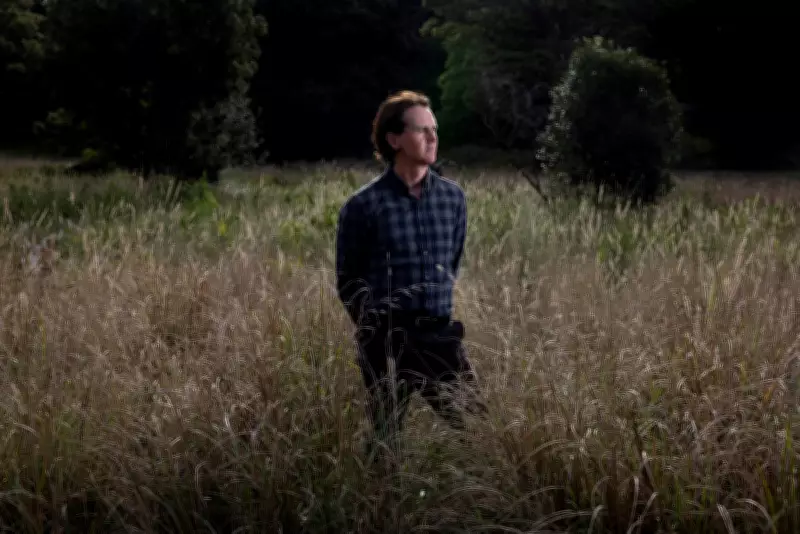
Dave Mullins still struggles to comprehend how he dedicated an entire decade of his life to what he now recognizes as a profound deception. At 48 years old and working as a psychologist in Sydney, Mullins has launched a compelling new podcast titled Aftercult, where he engages in raw conversations with fellow survivors of high-control groups and sects.
A Decade Lost to Spiritual Manipulation
Mullins' journey into the world of cults began at age 19 when he responded to an advertisement for a free workshop on out-of-body experiences in Sydney. There he encountered a charismatic teacher believed to possess mind-reading abilities, who introduced him to gnostic teachings that viewed thoughts and feelings as sinful obstacles to true consciousness.
The group's strict prohibitions included bans on drugs, alcohol, and even orgasms during sexual activity. Followers were warned that nightclubs contained "astral larvae" capable of poisoning spiritual development. Mullins became completely immersed in this belief system, spending every waking moment monitoring his thoughts and urges while attempting to eliminate what he perceived as sin.
Nighttime brought elaborate rituals where 10 to 15 core members would lie together wearing cloaks, intentionally cycling between sleep and wakefulness in attempts to achieve group astral projection and connect with eternal beings in higher dimensions.
The Mechanics of Control and Disillusionment
The group's dynamics followed classic cult patterns. When their leader announced that a massive wave would destroy Sydney, the entire community relocated to Melbourne. Later, when followers completed construction of a new meditation center through their labor, they were informed their work was substandard and the building would instead serve as a private residence for the leader and his wife.
Mullins describes living in a constant state of guilt and self-criticism, fueled by the leader's warnings about impending end times and their final opportunity for redemption. He eventually moved to Canada with his wife and baby to establish the sect in Toronto before experiencing a gradual awakening to the manipulation he had endured.
"I went through some pretty weird stuff," Mullins reflects from his Sydney home. "Now that I'm saying it out loud, I'm like, 'What is wrong with me? How did I believe that?'"
Shared Experiences of Cult Survivors
The Aftercult podcast features conversations with several notable survivors, including musician Sarah Blasko, former Family cult member Ben Shenton, and Craig Hoyle, who left the Exclusive Brethren. Through these discussions, Mullins has identified common cult characteristics:
- Charismatic leadership that demands absolute loyalty
- Apocalyptic warnings or end-times prophecies
- Exclusivity that separates members from mainstream society
- Extensive control over members' thoughts and behaviors
- Promises of transcendent afterlife experiences
Mullins' own reckoning has included apologizing to students he recruited during his time in the group and confronting the profound shame and embarrassment that followed his departure.
Sarah Blasko's Parallel Journey
Singer-songwriter Sarah Blasko shares her experience with Sydney's Pentecostal Christian Life Centre, a forerunner to Hillsong Church founded by Frank Houston, who was later identified as a serial paedophile. Blasko describes the CLC as a "cultish" environment where she spent her teenage years.
"When I think back on it, I'm horrified," Blasko tells Mullins in their podcast conversation. She recalls being told she wouldn't live to see age 30 due to impending end times, which discouraged educational pursuits. The church's emotionally charged environment featured leaders who mixed sexualized praise with criticism, creating confusing emotional attachments for young members.
"That really fucked me up," Blasko admits about leading a double life between her church community and school friends. "I did definitely feel like I was leading this kind of double life at the time."
Lasting Psychological Impacts
Both Mullins and Blasko continue to experience the long-term effects of their high-control group experiences decades later. When difficulties arise in their lives, both occasionally wonder if these challenges represent punishment for leaving their respective groups.
Blasko struggled with excessive drinking, experimental relationships, depression, and suicidal thoughts after leaving the church before finding salvation in a music community. Mullins turned to standup comedy in Toronto as a deliberate contrast to his cult experience, viewing social interaction as a form of rebellion against years of isolation and self-judgment.
"I remember at some point feeling, 'I just want to make up for all the time I wasted,'" Mullins explains. "Being social, getting out drinking, feeling like I was allowed to be proud of myself and attracted to people – 'I'm gonna fucking do as much of this as I can.'"
The Subtle Danger of Cult Dogmas
Mullins emphasizes that the most dangerous aspect of cult involvement isn't always physical abuse or overt coercion, but rather the gradual erosion of personal autonomy. "That's the insidious nature of cult dogmas," he observes. "They're subtle, they creep up on you and all of a sudden you don't trust yourself at all. You take on the attitudes of the masters, and lose your free will."
Through Aftercult, Mullins hopes to create a platform for survivors to share their stories, reduce the stigma surrounding cult involvement, and help others recognize the warning signs of high-control groups before they become deeply enmeshed.