
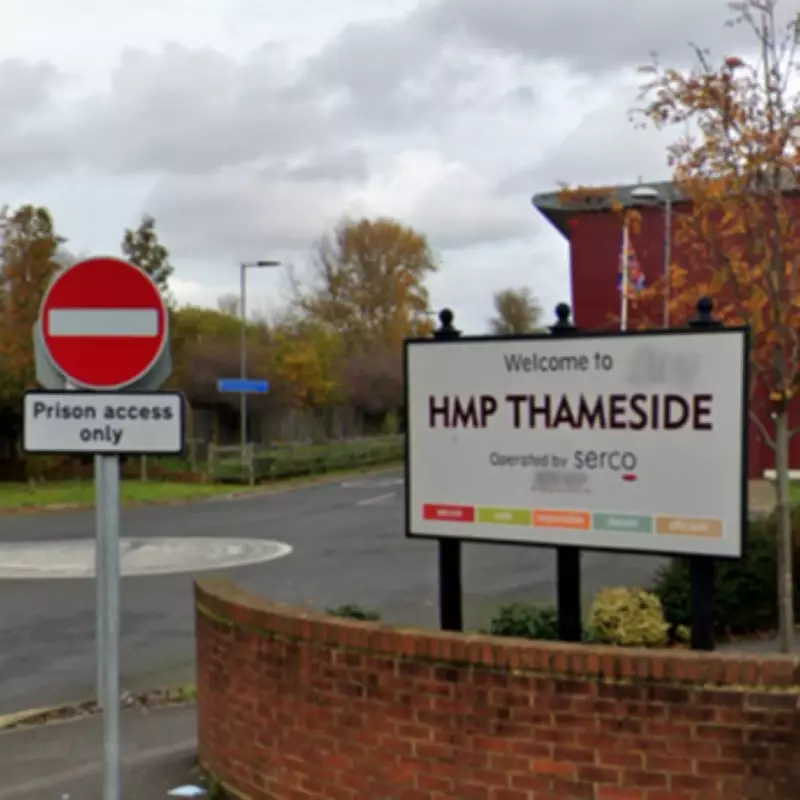
A coroner has raised serious concerns about the prescription of medication at HMP Thameside after the wrong dosage of epileptic medicine contributed to a prisoner’s death. Coroner Jenny Goldring also highlighted the “inadequacy of handover and basic observation, and failings in sufficient record-keeping by the prison healthcare staff” as factors in the death of 47-year-old Mark Smith at the Thamesmead prison on February 6, 2019.
Details of the Incident
Mark Smith arrived at HMP Thameside on January 8, 2019, with a documented history of asthma, epilepsy, and depression. The prison GP maintained his multiple medications but replaced the painkiller co-dydramol with an as-and-when required dose of diazepam. The GP also changed how the epileptic medicine pregabalin would be administered, switching from tablet to liquid and prescribing 50mg per day for the first seven days before increasing to 100mg per day thereafter.
The coroner noted an inconsistency between pregabalin prescriptions on different records. She stated: “There was a conflict between the pregabalin prescription shown on Systm 1 prison medical records (3100mls across 29 days), and the 50mg per dose recorded on the administration records. There was a failure to correct the prescription on Systm 1 despite it appearing a minimum of 6 occasions.”
Hospital Stays and Discharge Issues
Just over a week after admission, Mr. Smith was found unresponsive and foaming at the mouth. He was admitted to Queen Elizabeth Hospital in Woolwich on January 17 with symptoms including high temperature, tachycardia, sweating, and delirium. His medication remained unchanged. He stayed for 11 days, undergoing tests that ruled out neurological infection but diagnosed a lower respiratory tract infection. During this time, a member of HMP Thameside’s healthcare staff raised concerns and requested a meeting with hospital staff before his discharge, but the meeting did not take place.
Upon return to prison on January 28, a multi-disciplinary team meeting raised concerns about Mr. Smith’s loss of limb power, mobility issues, fall risk, and confusion. He was placed in a disabled cell without constant observation, and a request for constant watch was refused. On January 30, he had prolonged seizures and was readmitted to the hospital. After a lumbar puncture returned negative, he was discharged back to prison on February 4 based on a discussion between two junior doctors.
Final Hours and Death
On February 5, Mr. Smith was found wet, shivering, and hypothermic (34.0-34.9°C). He was assisted into dry clothes, but 11 further observations were missed. A GP review at midday was not carried out as he was asleep. At 5:30 pm, he was agitated and refused medication. Throughout the evening, he was seen lifting and dropping his head onto the floor. At 8:30 pm, he was found on the floor again, the last time he was seen alive.
Seven falsified entries were made on observation charts, and a nurse took unauthorized leave for 1.5 hours, leaving the team understaffed. At 11:39 pm, a nurse saw Mr. Smith prone and unable to observe breathing. She completed her round before returning five minutes later. The cell door was opened at 11:51 pm, and a code blue was called at 11:55 pm. A defibrillator was retrieved but lacked batteries or pads. CPR was performed, and paramedics arrived at 12:03 am, but Mr. Smith was pronounced dead at 12:38 am from an epileptic seizure leading to cardiac arrest.
Contributing Factors and Coroner’s Concerns
The coroner identified secondary contributing factors as “toxicity related to pregabalin and low sodium valproate level, together with an overall decline of clinical state and metabolic condition, described as a combination of a lack of food and drink, restorative sleep, anxiety and inability to take medication.” She stated that the medical care and clinical observation between February 5 and 6 possibly made a material contribution to his death.
The coroner raised concerns about the wrong dosage of medication administered, discharge without an MDT meeting despite multiple requests, lack of adapted disabled cells for constant watch, and numerous missed and falsified observation entries.
Steps Taken Since the Incident
The coroner noted that HMP Thameside has taken steps to prevent similar incidents, including fewer prescription errors since 2019, more training on observation sheets, and new protocols allowing disabled cell doors to be left open for constant observation.




