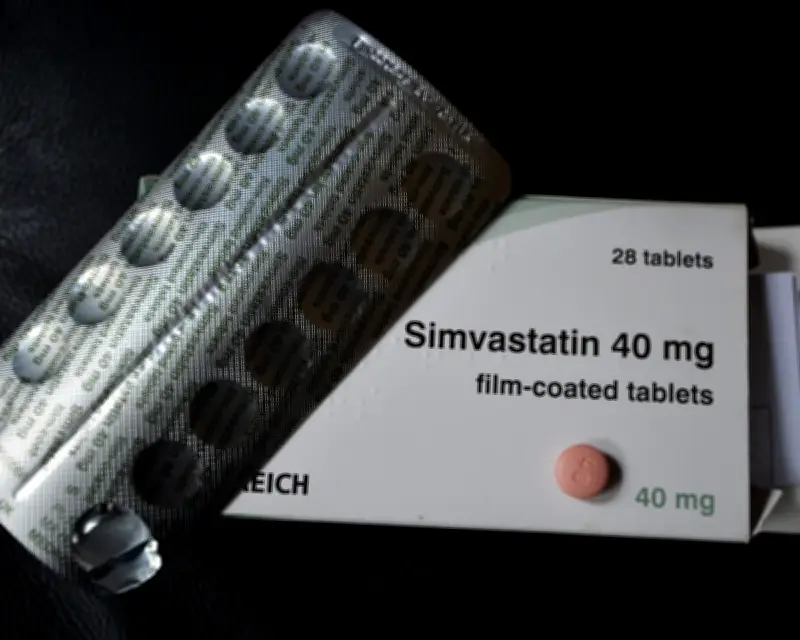
Many adults living with obesity now have “indistinguishable” cholesterol and blood pressure levels compared with those who are a healthy weight, largely because of the use of statins, according to a study published in the Lancet. In some cases, people with obesity were “better off” than those of a healthy weight, the researchers added.
Convergence of risk factors in older adults
In the past, adults with obesity were more likely to have increased blood pressure and higher levels of unhealthy cholesterol. However, the study found that these differences have “narrowed or disappeared” among those aged 40 and over. The finding is largely due to the use of cholesterol-busting medications, such as statins, and drugs to lower blood pressure, both of which are more commonly used among people with obesity.
Prof Majid Ezzati, from the School of Public Health at Imperial College London, said: “Our study suggests that, in high-income countries, taking medication to lower blood pressure and cholesterol has helped middle-age and older adults lower their cardiovascular risk to levels that are similar to people with normal BMI [body mass index].
Implications for weight-loss medication use
Experts say the findings are important to “give a picture of the cardiovascular health” of people likely to be prescribed weight-loss medications, which have rapidly increased in popularity. Prof Ezzati added: “At a time that weight-loss medications are becoming more widely used, our results give a picture of the cardiovascular health of people likely to be prescribed them, which allows the healthcare system to understand how blood pressure and cholesterol treatments benefit the population alongside weight-loss medications.”
The study examined data on almost 1 million adults aged 20 to 79 from England, Japan, South Korea, Taiwan, Thailand, Finland and the US. Researchers looked at data on blood pressure, cholesterol levels and BMI scores taken from 110 health surveys conducted between 1990 and 2024. They also examined information on the use of cholesterol-busting drugs and blood pressure treatment, known as antihypertensives.
Declines larger among those with obesity
The team found that unhealthy cholesterol levels and blood pressure “declined over time”, especially among those aged 40 and over. The declines were larger among people with obesity, “leading to a convergence of these risk factors between obesity and normal BMI in people older than 40 years”.
“As a result of these trends, in England, the US, Thailand, South Korea, and Japan, older people with obesity often became indistinguishable from, or better off than, those with normal BMI in terms of non-HDL cholesterol and SBP (systolic blood pressure),” they wrote. They added: “We found that differences in non-HDL cholesterol and SBP between those with obesity and those with a normal BMI narrowed or disappeared, especially in older adults, in some cases making those with and without obesity indistinguishable in terms of these cardiometabolic traits.”
Younger adults still at higher risk
One of the research team, Prof Edward Gregg from Imperial College London, stressed that “it doesn’t mean that obesity does not still increase your risk of other outcomes”. The study found that in adults under the age of 40, those who were obese still had higher levels of bad cholesterol and higher blood pressure.
Another of the authors, Yse d’Ailhaud de Brisis, also from Imperial College London, said: “While good news for older adults with obesity, our results suggest that cardiovascular health risks remain higher for adults under 40 than for their counterparts with a normal BMI. Early lifestyle interventions, screening and, when appropriate, medication in this younger group should be considered to prevent long-term cardiovascular complications linked to obesity.”
Public health success and caution
Commenting on the study, Prof Bryan Williams, the chief scientific and medical officer at the British Heart Foundation, said: “This study highlights a powerful public health success story – it shows just how effective modern treatments for blood pressure and cholesterol have become, with many people over 40 with obesity now reaching levels similar to those with a healthy weight. But we must not lose sight of the bigger picture. These medications are needed because of the adverse effects of obesity on cardiovascular disease risk. Moreover, obesity still affects the body in many other ways and increases the risk of other health problems, including diabetes, kidney disease and some cancers.”