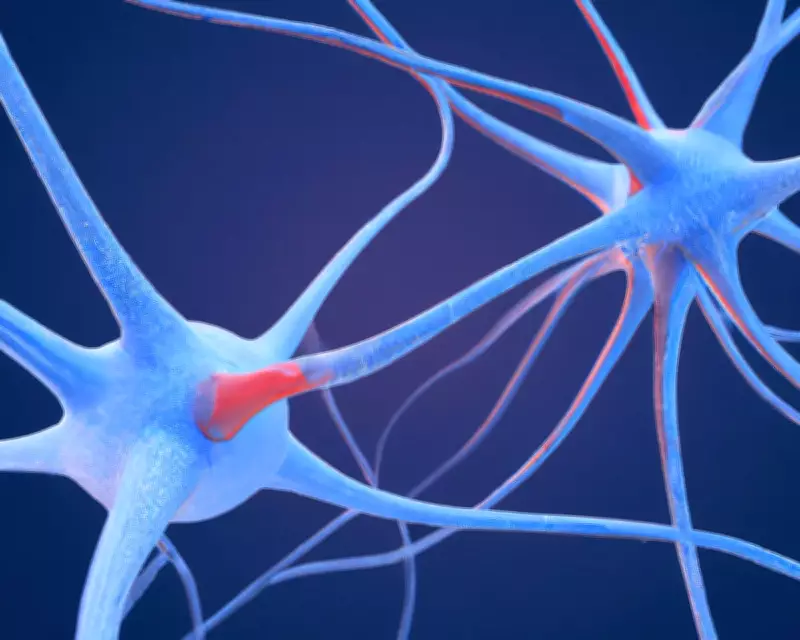
In a groundbreaking development, scientists have successfully identified a unique neural "fingerprint" associated with psychedelic drugs within the human brain. This discovery marks a significant advancement in neuroscience, providing a clearer understanding of how these substances influence brain activity and their potential applications in treating mental health disorders.
The Discovery of a Distinct Neural Signature
Researchers utilized advanced brain imaging techniques to map the effects of psychedelic compounds, such as psilocybin and LSD, on neural networks. They observed a specific pattern of brain activity that is distinct from other psychoactive substances, including traditional antidepressants or stimulants. This neural fingerprint is characterized by increased connectivity between different regions of the brain, particularly those involved in perception, emotion, and self-awareness.
Implications for Mental Health Treatment
The identification of this neural signature has profound implications for mental health care. By understanding how psychedelic drugs alter brain function, scientists can better explore their therapeutic potential for conditions like depression, anxiety, and post-traumatic stress disorder (PTSD). This research supports the growing body of evidence suggesting that psychedelics may offer new, effective treatments where conventional therapies have failed.
Moreover, the study highlights the safety and controlled effects of these substances when administered in clinical settings. The neural fingerprint provides a measurable target for future studies, allowing researchers to monitor and optimize treatment protocols. This could lead to more personalized and effective mental health interventions, reducing the trial-and-error approach often associated with current treatments.
Future Research Directions
Looking ahead, scientists plan to expand this research to include a broader range of psychedelic compounds and diverse patient populations. They aim to investigate how the neural fingerprint varies across different drugs and individuals, which could inform the development of tailored therapies. Additionally, ongoing studies will explore the long-term effects of psychedelic use on brain plasticity and mental well-being.
This discovery also opens up new avenues for understanding consciousness and brain function more broadly. By deciphering the mechanisms behind psychedelic experiences, researchers hope to gain insights into the neural basis of perception and cognition, potentially leading to innovations in neuroscience and psychology.
In summary, the identification of a neural fingerprint for psychedelic drugs represents a major step forward in both scientific understanding and clinical application. It underscores the importance of continued research into these substances, which could revolutionize mental health treatment and deepen our knowledge of the human brain.