Vision has been restored to individuals suffering from a rare and previously untreatable form of blindness, thanks to a simple, low-cost gel commonly used in eye operations. Researchers at London's Moorfields Eye Hospital have reported groundbreaking success using hydroxypropyl methylcellulose (HPMC) to treat hypotony.
How a Routine Surgical Gel Became a Vision-Saving Treatment
Hypotony is a condition affecting roughly 100 people in the UK annually, characterised by abnormally low pressure inside the eyeball. This causes the eye to lose its shape, leading to severe vision loss or blindness. Until now, long-term management options have been problematic.
The pioneering treatment involves injecting the clear, colourless HPMC gel directly into the affected eye every two weeks. After 12 months of these fortnightly injections, the shape of the eye was restored in patients. Remarkably, this structural correction allowed seven out of the eight participants in the study to see again.
Consultant ophthalmologist Harry Petrushkin, who led the work, explained that HPMC is "really safe" and "not dissimilar to cosmetic fillers." He described the process: "It fills the space, but in this context, it fills the space with something that's transparent... A bit like if you're pumping up a ball, you can pump it up to exactly the right size, and then the eye can see much better."
Overcoming the Limitations of Current Care
Hypotony can result from various diseases, trauma, inflammation, or surgical complications. The current standard treatment involves filling the eye with silicone oil, which can be toxic over the long term and offers poorer optical clarity.
"The advantage of using a gel rather than silicone oil is that you can actually see through it much better," Mr Petrushkin stated. The research, published in the British Journal of Ophthalmology, found no serious side effects to date from the HPMC injections. In some cases, treatment could be stopped once the eye regained its normal size.
Life-Changing Results for Patients
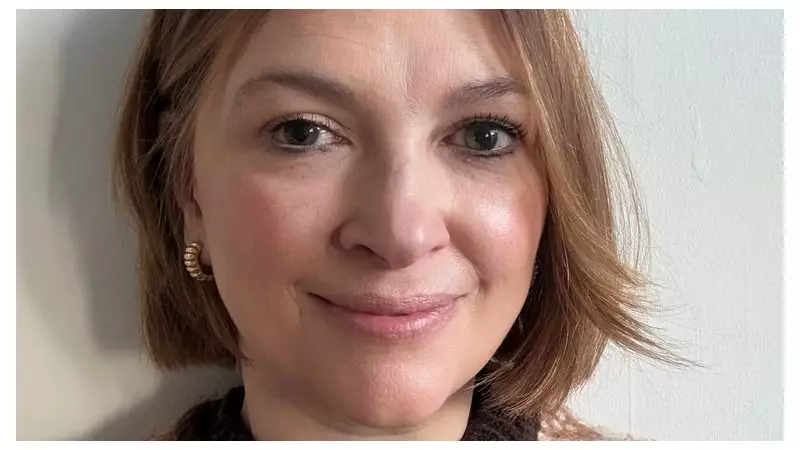
The real-world impact of this therapy is profound. Nicki Guy, 47, a patient treated since 2019 who took part in the study, shared her experience. "I am so close to being able to drive again with my vision in my left eye," she said. "If it stays like this for the rest of my life, I would just be exceedingly happy."
She has regained the ability to enjoy activities like skiing with her son and pursuing her love of photography. Reflecting on her progress, she added, "From where I was, it's just phenomenal."
Moorfields has now treated 35 hypotony patients using this method, with Mr Petrushkin confirming the "results are holding up." Building on this success, he is now seeking funding for a larger clinical trial. This next phase aims to test different gels to find which formulation requires the fewest injections, optimising the treatment for patients.