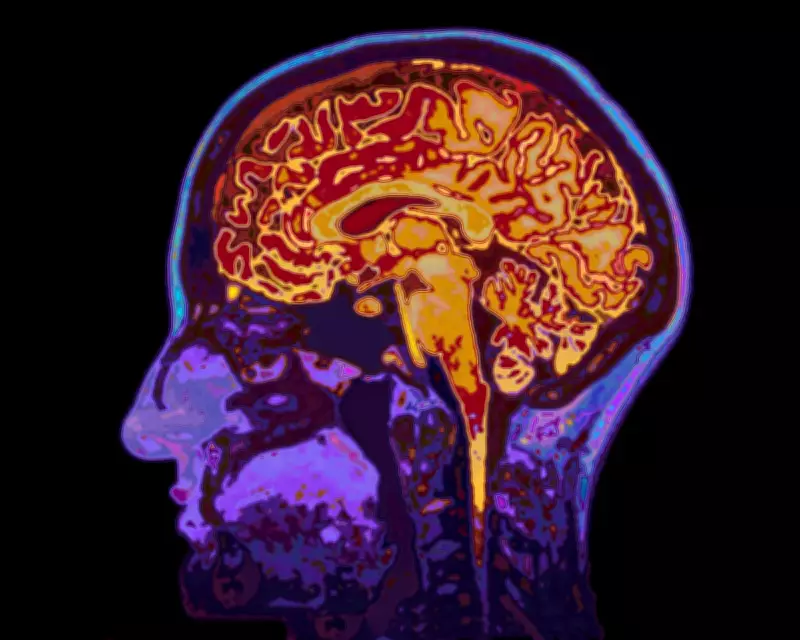
The nocebo effect occurs when dismal expectations lead to negative health outcomes. An MRI scan of a human brain illustrates the complex relationship between mind and body. In a recent article, science writer Helen Pilcher describes how she made her husband ill with a few words, demonstrating that nobody is immune to the power of the nocebo effect.
Understanding the Nocebo Effect
The nocebo effect is the evil twin of the placebo effect. While the placebo effect involves positive expectations leading to positive health outcomes, the nocebo effect involves negative expectations that create, exacerbate, and prolong symptoms. These symptoms can coalesce into genuine illness, not from disease, but from the intimate relationship between mind and body.
Real-World Examples
Peer-reviewed studies confirm the nocebo effect. In one study, patients who received a harmless saline infusion after minor surgery were told it would increase their pain, and it did. In another, 19 out of 40 asthmatic adults felt wheezy after inhaling water vapor they believed contained an irritant, and 12 had a full-blown asthma attack.
The nocebo effect also appears in real-world situations. For instance, a large analysis of 12 clinical trials involving over 45,000 participants found that the nocebo effect accounted for 76% of common adverse reactions to the Covid-19 vaccine. Similarly, some people who develop side-effects to prescription medications or have trouble tolerating gluten may be experiencing the nocebo effect.
Population-Level Effects
The nocebo effect can spread like a virus, driving mystery illnesses such as the dancing plagues of the middle ages and Havana syndrome, where American diplomats developed symptoms after believing they were targeted by a covert weapon. During the pandemic, the nocebo effect caused an outbreak of tics propagated by TikTok videos, known as TikTok tics. Social media are increasingly turbocharging the spread of nocebo-generated symptoms.
Medically Unexplained Symptoms
The nocebo effect may be responsible for a significant proportion of medically unexplained symptoms, such as pain, fatigue, and dizziness, which have no discernible organic cause. People with these symptoms are often unfairly labeled as hypochondriacs, an outdated term that implies feigned suffering. However, research shows that nocebo-generated symptoms are real and valid.
Scientific Evidence
Studies demonstrate that thoughts and neural activity can precipitate physical change. Harvard researcher Ellen Langer found that when people with diabetes sat in front of a clock running at different speeds, their blood glucose levels rose and fell with perceived time. Stanford's Alia Crum showed that levels of the hunger hormone ghrelin dropped three times faster after consuming a milkshake labeled as high-calorie versus diet, even though the milkshakes were identical.
Animal studies map the chain of events linking brain activity to bodily effects. Asya Rolls and colleagues at the Technion-Israel Institute of Technology activated specific brain areas in mice, triggering immune changes that sped recovery from heart attacks or slowed cancer growth. Writing in Nature Communications, they state that these findings introduce a physiological mechanism whereby a patient's psychological state can impact anti-tumour immunity and cancer progression.
Mind-Body Connection
Four hundred years ago, René Descartes proposed that mind and body are separate entities, leading to Cartesian dualism and a medical model that assumes physical symptoms have physical roots. However, the work of Rolls and others reveals deeper complexity. Understanding the nocebo effect is crucial for truly addressing illness.
Helen Pilcher is a science writer and author of This Book May Cause Side Effects. She believes that if we want to be well, we must first understand the many ways we become ill, and the nocebo effect is a key part of this puzzle.