
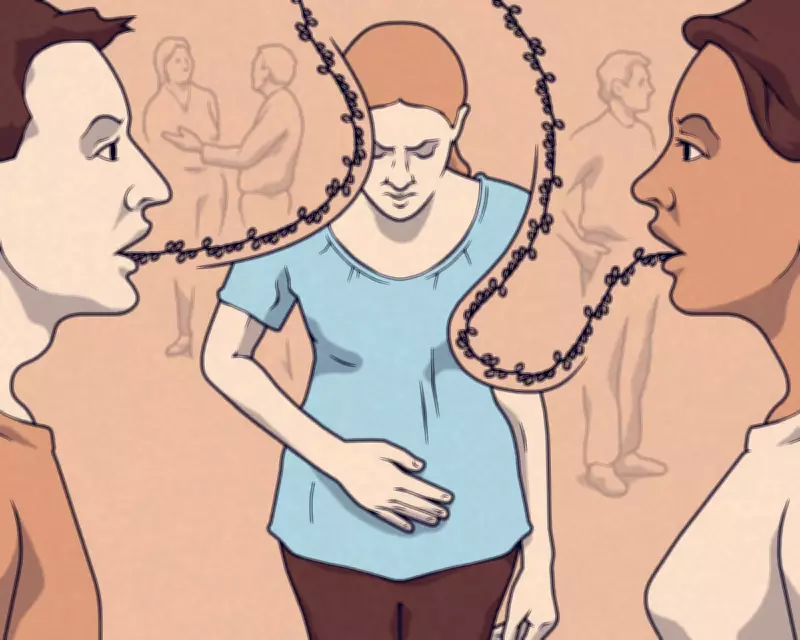
Navigating Infertility Conversations: The Struggle for the Right Words
Infertility remains one of the most challenging topics to discuss openly, as Nuala McGovern, presenter of BBC Radio 4’s Woman’s Hour, reveals from her own journey through miscarriage and unsuccessful IVF rounds. With decades of experience in live talk radio, McGovern has honed her ability to listen deeply, yet she questions why society often falters when addressing fertility issues. This personal reflection comes at a time when many individuals grapple with similar silent struggles, seeking connection in moments of profound loneliness.
The Societal Norms and Discomfort Around Infertility
Perhaps the difficulty stems from societal expectations where motherhood is viewed as an inevitable norm for many. When this assumption is challenged by infertility, it can create discomfort that manifests in awkward or unhelpful language. McGovern notes that people may simply not know how to approach such a complex subject, leading to conversations that lack sensitivity. According to NHS statistics, approximately one in seven couples may face fertility problems, underscoring the widespread need for improved dialogue and understanding.
Personal Experiences with Misguided Comments
During her own experiences, McGovern initially aimed for openness but soon retreated due to the exhausting and invasive nature of others' inquiries. Questions about the specifics of her miscarriages or IVF rounds felt like a scoreboard of grief, reducing her pain to a hierarchy of effort. Timing also proved critical, as illustrated by an acquaintance who offered condolences at a buffet, leaving her caught off-guard and highlighting how public settings can amplify feelings of isolation.
Common phrases like "I’m sure it will happen," while well-intentioned, often minimized her pain and overlooked the uncertainty of the future. McGovern emphasizes that a simple "I’m sorry" can be more than enough, acknowledging the complexity without offering false hope. She reflects on her own internal conflict, craving realistic sentiments while also desiring words chosen with care for her tender heart.
The Impact of Harsh Realities and Unwelcome Verdicts
After an embryo transfer, a friend’s reminder that the cells might amount to nothing landed like a physical blow, despite being statistically accurate—with the Human Fertilisation and Embryology Authority reporting a 25% average IVF birthrate. McGovern acknowledges the truth behind such statements but stresses the importance of timing and emotional readiness. As time passed without success, comments like "maybe it’s just not meant to be" felt like cold verdicts, adding to the emotional burden.
Pathways to Better Communication
For McGovern, better conversations involve fewer platitudes, less certainty, and more listening and empathy. She recalls a couple who thoughtfully shared their pregnancy news in a quiet, face-to-face moment, acknowledging that their happiness might cause pain. This act of consideration felt like love, demonstrating how small gestures can make a significant difference. Additionally, a receptionist at an IVF clinic offered comforting words, reminding McGovern that she and her partner were "enough without a baby," providing solace on a difficult day.
McGovern recognizes that every individual’s experience is unique, making infertility a conversational minefield where no one can be a mind-reader. By sharing her story and exploring the language around these complex feelings, she hopes to foster a more supportive environment. The goal is to help people show up for one another, finding what truly helps when a baby is not a given, and moving towards a place of greater understanding and connection.




