
A 22-year-old man has been sentenced to a year in prison in New York for orchestrating a campaign of hoax bomb threats that targeted multiple institutions across the United Kingdom, including several major London hospitals.
Transatlantic Investigation Leads to Conviction
David Hart was prosecuted by United States authorities following a joint probe by the Metropolitan Police and the US Department of Homeland Security. He appeared at the US District Court for the Northern District of New York on 6 January.
The court heard that between late October and mid-November 2023, Hart made a total of 95 calls to UK numbers. Of these, 66 were directed to London. While not every call connected, a significant number were successful in reaching their intended recipients.
Sustained Campaign Targeted Critical Services
The venues on the receiving end of these malicious calls included:
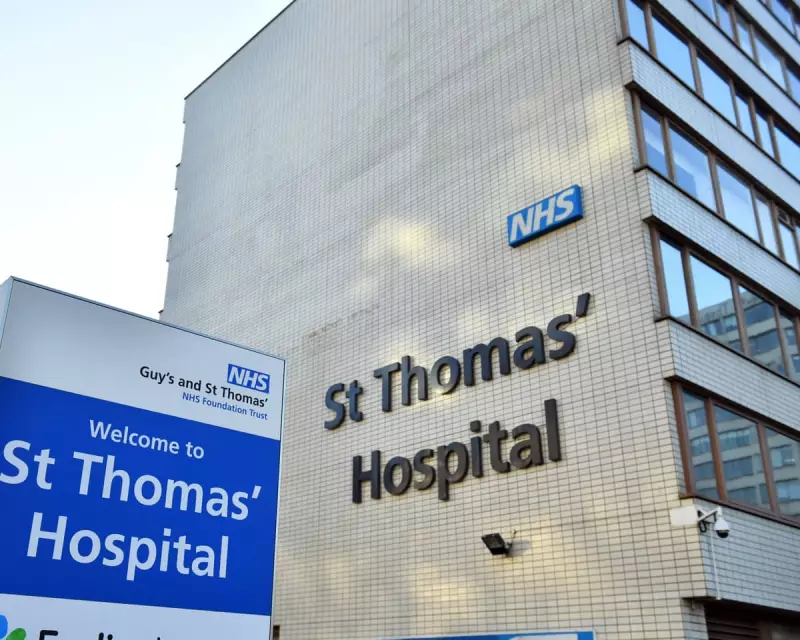
- Seven hospitals, with St Thomas' Hospital specifically named as one target.
- Six bars, restaurants, and supermarkets.
- Two police force control rooms.
- A cancer information and support services centre.
Hart also attempted to call Westminster Abbey twice, but the calls went unanswered as they were placed during UK night-time hours.
In recordings released by the Met, Hart's menacing tone is clear. In one call, he asks a handler what they would do if he had "put a bomb in Guy’s Thomas hospital"—a confused reference to the Guy's and St Thomas' NHS Foundation Trust. In another, he tells a hospital switchboard operator: "All right, I put a bomb in you guys’ corridor bathroom … You have exactly about 12 seconds to get out of that building."
Disruption and Precautionary Measures
Although many recipients were sceptical about the credibility of the threats, the potential danger forced them to act. Security teams at several locations conducted urgent searches of their premises. In one particularly serious incident, a hospital was forced into a full lockdown while staff and emergency services scoured the building for explosive devices.
The court was satisfied that Hart fully intended for his calls to be interpreted as genuine bomb threats. His campaign was described as "sustained and persistent," with some calls lasting nearly thirty minutes and him often targeting the same victims multiple times over several days.
This case highlights the serious consequences of making hoax threats, which waste critical emergency service resources and cause widespread alarm and disruption to vital public services.




