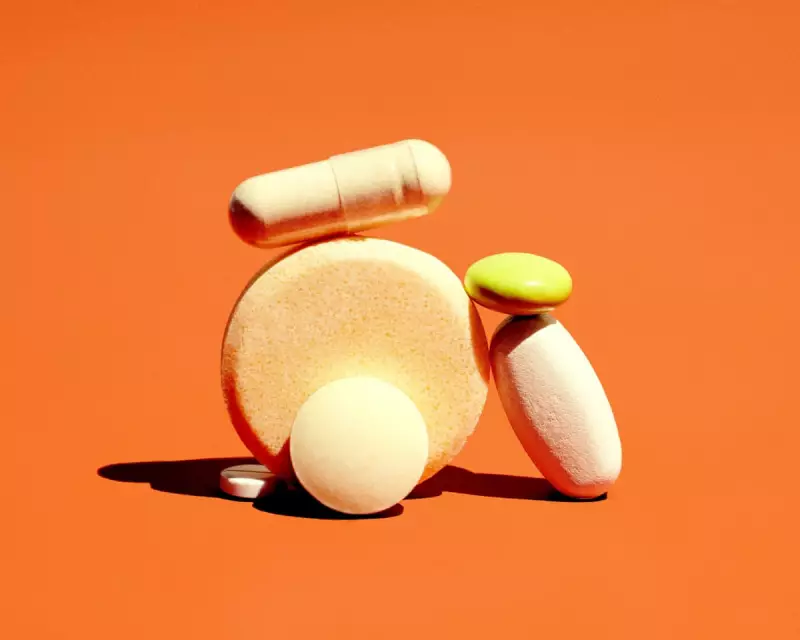
Experts are issuing a stark warning against a widespread and potentially dangerous misconception: the belief that dietary supplements are completely harmless. With over 100,000 products flooding the market, from capsules to gummies, consumption is soaring, yet safety is not guaranteed.
The Hidden Dangers of Over-Supplementation
Dr Pieter Cohen, an internist and associate professor at Harvard Medical School, stresses that it is a common error to assume these products are entirely safe. Excessive intake of nutrients can lead to significant health problems, making it crucial for consumers to understand correct dosages and select high-quality items.
While a balanced diet should ideally provide all necessary nutrients, Dr Denise Millstine of the Mayo Clinic Arizona acknowledges this isn't always possible. Registered dietitian Joan Blake adds that individual needs vary dramatically, making personalised advice essential.

Navigating a Market with Little Oversight
Choosing a supplement can be a dizzying experience due to the sheer volume of products and confusing labels. In the United States, the Food and Nutrition Board sets Recommended Dietary Allowances (RDAs) and Tolerable Upper Intake Levels (ULs) for many nutrients. Consuming more than the UL can cause harm.
Critically, Dr Cohen points out that in the US, there is no pre-market vetting of supplements by the FDA to ensure label accuracy. The only way to verify contents is to look for products certified by third-party organisations like the National Sanitation Foundation (NSF) or United States Pharmacopeia (USP).
Essential Advice Before You Start
All experts agree on one fundamental rule: always consult a healthcare provider before starting any new supplement. This is vital to check for interactions with medications and to avoid adverse effects or skewed blood test results.
Dr Fernando Carnavali of the Icahn School of Medicine at Mount Sinai warns that because vitamins are seen as 'natural', patients often omit them from medical discussions, which can lead to unexplained symptoms. Dr Millstine advises treating supplements with the same caution as over-the-counter medicines and using trusted resources like the National Center for Complementary and Integrative Health for dosing information.
What Happens When You Take Too Much?
Multivitamins: These can contain nutrients in amounts exceeding safe upper limits, especially risky when taken alongside other supplements. Smokers should avoid high beta-carotene or vitamin A, and pregnant women must limit vitamin A to avoid birth defects. Those on blood thinners need to be cautious with vitamin K.
Vitamin D: Toxicity from excessive supplements can cause nausea, vomiting, kidney failure, and even death. The RDA for adults is 600 IU, with an upper limit of 4,000 IU.
Omega-3 Fatty Acids: The FDA recommends no more than 5 grams daily from supplements. High doses increase bleeding and stroke risk, and low-quality products can cause heartburn and nausea.
Calcium: Excessive supplemental calcium (over 1,500mg daily) is linked to kidney stones, stomach pain, and diarrhoea. Some studies suggest a potential increased risk of heart disease in postmenopausal women.
Vitamin C: While it may shorten a cold's duration, it won't prevent one. Doses above 2,000mg daily can cause stomach aches, diarrhoea, and kidney stones.
Vitamin B12: Although high doses are common in supplements, excessive intake can rarely lead to anxiety, agitation, and headaches, and can interact with medications like metformin.
Magnesium: The upper limit from supplements is 350mg. High doses cause diarrhoea and cramping, and can be fatal in extreme cases. Those with kidney disease must avoid it unless supervised.
Probiotics: There is no official recommendation for healthy individuals. Overuse may hinder a diverse gut microbiome.
Creatine: Stick to 4-5 grams daily. Higher doses offer no benefit and may affect kidney function in susceptible individuals.
Collagen Peptides: Research on benefits is limited. Dr Millstine cautions against using them as a replacement for complete protein powders.

The overarching message from health professionals is clear: supplements are not a risk-free panacea. Informed selection, professional guidance, and respect for dosage limits are paramount to safeguarding your health.