Plastic surgeons are increasingly concerned about the rise of “AI face,” as more clients arrive with unrealistic AI-generated visions of their desired appearance. Dr. Nora Nugent, a cosmetic surgeon from Tunbridge Wells and president of the British Association of Aesthetic Plastic Surgeons, has observed this trend firsthand. Clients bring photos enhanced by artificial intelligence, expecting surgical results that match the digital perfection.
Unrealistic Expectations Fueled by AI
People using AI chatbots to generate idealized faces often request flawless skin, sharp cheekbones, refined noses, and near-perfect symmetry. These standards are often unattainable due to time, cost, or physical limitations. Dr. Alex Karidis, a surgeon based in west London, explains that while AI controls every pixel, surgery cannot achieve such microscopic detail.
Nugent notes that once a patient sees an AI image, it becomes psychologically ingrained. Karidis agrees, saying these images are “seared” into patients’ minds, leading to a surge in requests. Surgeons emphasize that cosmetic surgery outcomes are not guaranteed, with factors like healing and aging varying by individual.

AI Recommendations vs. Reality
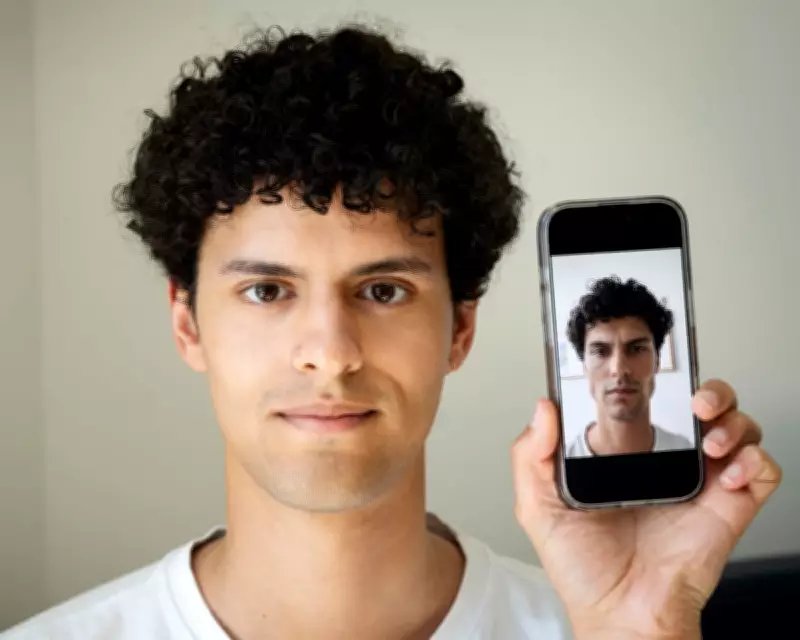
To illustrate the phenomenon, a journalist asked an AI agent to recommend procedures and generate images. The AI suggested a rhinoplasty, septoplasty, and blepharoplasty, which Karidis estimated would cost about £25,000. When asked for more dramatic changes like “hunter eyes,” the AI proposed chin implants, buccal fat removal, and other procedures. Karidis deemed many recommendations unnecessary or risky, noting that buccal fat removal could cause gauntness with age. The total cost could exceed £100,000, with significant side effects.
Further requests for a “chad” look led to suggestions for neck lifts, brow lifts, and laser resurfacing. Karidis found the AI’s alterations unrealistic and even alarming, pointing out unnatural dents and inconsistencies. He stressed that the original complexion often looks better than the AI’s version.
Consistency in AI Aesthetics
Surgeons note that AI-generated faces often feature hypersymmetry, which is impossible to replicate surgically. Dr. Julian de Silva, a Harley Street surgeon, explains that altering eye level is unsafe because it is determined by bone structure. He also warns that some clinicians may use AI to enhance their own surgical results on social media, misleading patients.
De Silva observed that AI tends to default to conventional beauty ideals: V-shaped jawlines and ogee curves for women, broader jaws and lower brows for men. However, these ideals are not always achievable or safe.
The growing trend of “AI face” underscores the need for patients to have realistic expectations and thorough consultations with qualified surgeons.