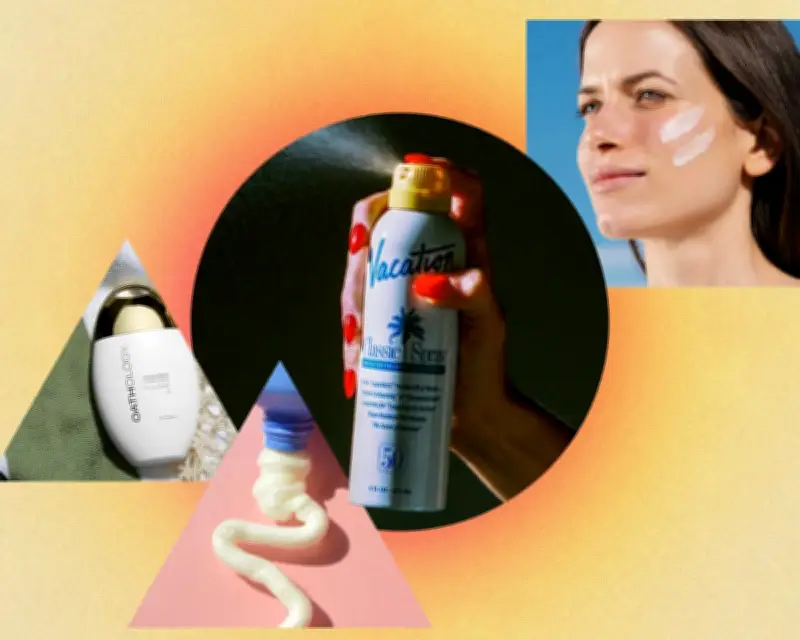
Dermatologists have weighed in on the 21 best non-toxic sunscreens available in the US, offering recommendations for every skin type, from acne-prone to sensitive, and for all ages, including babies. The experts emphasize that the best sunscreen is one you will use daily, and they clarify that while terms like "nontoxic" and "clean" are not legally defined, only three active ingredients are currently recognized as safe and effective by the FDA.
FDA-Approved Ingredients: What Dermatologists Say Is Safe
According to the FDA, only three sunscreen ingredients are considered "generally recognized as safe and effective" (GRASE): zinc oxide, titanium dioxide, and bemotrizinol, a new chemical filter approved in June 2026. This is the first new active ingredient added to the OTC sunscreen monograph since the late 1990s. Bemotrizinol, also known as BEMT, has been used in Europe for years and offers broad-spectrum protection with low skin absorption, making it suitable for adults and children over six months. Sunscreens containing BEMT are expected to hit US shelves in September under the brand name Parsol Shield.
Dermatologists caution against ingredients like parabens and phthalates, which are preservatives and texture enhancers that can cause skin irritation or hormone disruption. They advise checking labels for "paraben-free" and avoiding artificial fragrances, as phthalates are often listed as "fragrance."

Best Tinted Sunscreens for Face
For those seeking sun protection with a hint of coverage, tinted sunscreens are a popular choice. Dr. Sapna Palep, founder of Spring Street Dermatology in New York City, recommends Colorescience Sunforgettable Total Protection Face Shield Flex SPF 50, which she says "provides UVA and UVB protection, as well as blue light protection from screens, and contains zinc oxide and niacinamide." Niacinamide helps reduce inflammation and improve skin elasticity.
Dr. Divya Shokeen, founder of OSVI Dermatology in Los Angeles, praises ISDIN Eryfotona Ageless Ultralight Tinted Mineral Sunscreen SPF 50, noting it "evens tone and fights photoaging." For deeper skin tones, Dr. Michael Girardi of Yale School of Medicine recommends EltaMD UV Clear Deep Tinted Sunscreen SPF 46 and CeraVe Hydrating Mineral Sunscreen Sheer Tint SPF 30 in Deep, both of which offer mineral protection without a white cast.
Best Sunscreens for Kids and Sensitive Skin
For children, experts recommend using only mineral formulations. Dr. Shokeen says, "My young kids are in the habit of wearing sunscreen every day on their face and hands." Stream2Sea Every Day Active Mineral Sunscreen, containing zinc oxide, aloe vera, and vegetarian glycerine, is EWG verified and a top pick. Dr. Girardi suggests using hats and protective clothing in addition to sunscreen.
For sensitive skin, Dr. Shokeen likes EltaMD UV Skin Recovery Red Color-Correcting Face Sunscreen SPF 50 because "it negates a lot of the red in the skin, especially if you have rosacea." Dr. Palep recommends Elta MD UV Skin Recovery Broad Spectrum Sunscreen SPF 50, which contains zinc oxide and centella asiatica, an anti-inflammatory ingredient.
Best Sunscreens for Acne-Prone and Oily Skin
For oily or acne-prone skin, Dr. Palep suggests Shiseido Urban Environment Oil-Free Sunscreen SPF 40, which is oil-free, non-comedogenic, and contains hyaluronic acid for hydration. La Roche-Posay Anthelios Clear Skin Sunscreen SPF 60 is a budget-friendly alternative with a matte finish and fragrance-free formula. Dr. Shokeen also recommends her own brand, Oathology Inzincable Untinted Sunscreen SPF 50+, which contains azelaic acid, known for its anti-inflammatory and antimicrobial benefits.
Sprays, Sticks, and Reef-Safe Options
While sprays offer convenience, experts advise caution. Dr. Shokeen warns that most people don't rub in spray sunscreens, leaving gaps in protection. Dr. Girardi adds, "I also steer patients away from spray preparations, which go on inconsistently, leaving gaps in protection. I much prefer creams and lotions. Sprays also have the added risk of inhalation." If you must use a spray, Dr. Palep recommends Vacation Classic Spray Broad Spectrum SPF 50, which has a "classic scent" that "smells like a vacation."

For targeted application, Dr. Girardi suggests CeraVe Mineral Sunscreen Stick SPF 50 for noses, ears, and around the eyes, though not as a sole option. For reef-safe protection, Dr. Palep notes that mineral sunscreens with zinc oxide or titanium dioxide are generally considered reef-safe, recommending Blue Lizard Sensitive Mineral Sunscreen SPF 50.
Sports, Dry Skin, and Diverse Skin Tones
Blue Lizard Sport Mineral Sunscreen SPF 50 is Dr. Girardi's pick for sports, as it is water-resistant and dries clear. For dry skin, Dr. Palep praises Beauty of Joseon Day Dew Sunscreen SPF 50, saying, "It would trick you into thinking it's a moisturizer instead of a sunscreen." Supergoop! Protec(tint) Daily Skin Tint SPF 50 is ideal for a wide range of skin tones, offering buildable coverage and broad-spectrum protection.
Frequently Asked Questions About Sunscreen Safety
Chemical sunscreens like avobenzone, oxybenzone, and octinoxate are absorbed into the bloodstream, but the FDA requires further testing to determine toxicity. Dr. Girardi notes, "Once the FDA figured out that several of the chemical agents used in sunscreen formulations exceeded a certain blood level with regular applications, the FDA required further testing to check for toxicity." However, no ingredients have been removed from shelves pending new data.
Mineral sunscreens with zinc oxide and titanium dioxide create a physical barrier on the skin. Nano particles reduce white cast, and research shows they don't penetrate healthy skin significantly. For those seeking international options, sunscreens from Europe and Asia, such as Beauty of Joseon and Anessa, offer a broader range of UV filters.
On the question of "toxic" sunscreen, Dr. Palep states, "I wouldn't consider any sunscreen that is sold in the US to be toxic, so they are all 'nontoxic.' There is more of a health risk of not wearing sunscreen and getting skin cancer, versus using a chemical sunscreen and having health issues stem from using the chemical sunscreen." Dr. Shokeen adds, "Calling sunscreen 'toxic' is 100% a scare tactic – no ifs, ands or buts."