
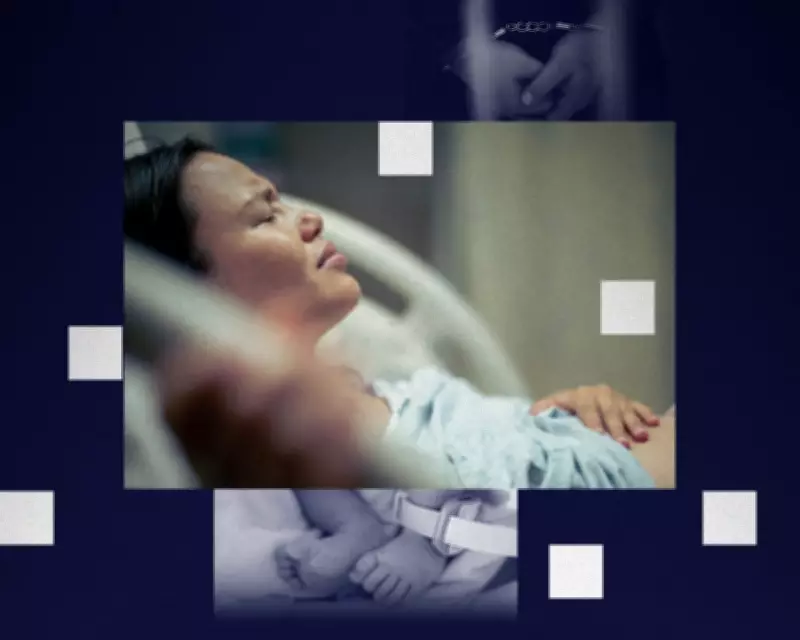
The Scandal of Women Handcuffed While in Labour: A Breach of Human Dignity
A shocking investigation has uncovered a deeply troubling practice in UK hospitals, where women are being handcuffed while in labour, with reports indicating that restraints are often not removed despite the clear medical and ethical implications. This scandal has sparked outrage among human rights advocates, medical professionals, and the public, raising serious questions about the treatment of vulnerable individuals during one of life's most critical moments.
Personal Accounts of Trauma and Injustice
One woman, who shared her harrowing experience, stated, "I was so shocked when the restraints weren't removed. I felt dehumanized and terrified during what should have been a joyful time." Her story is not isolated; multiple reports have emerged of similar incidents, where women in labour have been subjected to handcuffing by security or law enforcement personnel, often without proper justification or consideration for their health and safety.
These accounts highlight a systemic failure in hospital protocols, where the use of restraints appears to be applied indiscriminately, potentially violating both medical ethics and human rights standards. The practice has been linked to cases involving women who are detainees, prisoners, or under police custody, but concerns have been raised about its overuse and lack of oversight.
Medical and Ethical Concerns
From a medical perspective, handcuffing women during labour poses significant risks. Childbirth is a complex physiological process that requires mobility, comfort, and the ability to assume various positions to facilitate delivery. Restraints can impede this, leading to complications such as prolonged labour, increased pain, and higher rates of intervention, including cesarean sections.
Ethically, this practice raises alarms about the violation of basic human dignity and the right to humane treatment. International guidelines, such as those from the World Health Organization, emphasize the importance of respectful maternity care, which includes freedom from harm and abuse. Handcuffing during labour directly contradicts these principles, potentially constituting a form of cruel, inhuman, or degrading treatment.
Legal and Policy Implications
The scandal has prompted calls for urgent legal and policy reforms. Human rights organizations are demanding stricter regulations on the use of restraints in medical settings, particularly during childbirth. They argue that restraints should only be used as a last resort, with clear protocols for removal when medical needs arise, and with proper documentation and oversight to prevent abuse.
In response, some UK hospitals have begun reviewing their policies, but progress has been slow. Advocates stress the need for national guidelines to ensure consistency and protection for all women, regardless of their legal status. This includes training for healthcare and security staff on the ethical implications and alternatives to restraint use.
Moving Forward: A Call for Change
To address this issue, experts recommend several key steps:
- Implement Clear Policies: Hospitals should establish and enforce strict protocols that limit the use of restraints during labour to exceptional circumstances, with mandatory removal for medical procedures.
- Enhance Training: Staff should receive comprehensive training on human rights, medical ethics, and alternative methods for managing security concerns without compromising patient care.
- Increase Oversight: Independent monitoring bodies should be empowered to investigate and report on restraint use in healthcare settings, ensuring accountability and transparency.
- Support Affected Women: Provide counseling and legal support for women who have experienced this trauma, and involve them in policy discussions to inform better practices.
This scandal serves as a stark reminder of the need to prioritize compassion and dignity in healthcare. As one advocate noted, "No woman should ever have to give birth in chains. It's time for the UK to lead by example and end this inhumane practice once and for all." The ongoing outcry underscores the urgency of action to protect the rights and well-being of all mothers during childbirth.




