
WHO Regional Director Sounds Alarm on Escalating Health Emergency
The World Health Organization's top official for the Eastern Mediterranean region has issued a stark warning about a health crisis unfolding in real time across multiple Middle Eastern nations. Dr. Hanan Balkhy, WHO's regional director, emphasized that hostilities must cease immediately and healthcare facilities must be treated as inviolable safe havens to prevent further catastrophe.
Collapse of Healthcare Access Across Conflict Zones
Dr. Balkhy described a dire situation where access to medical care is collapsing across the region. More than 3.2 million people have been displaced in Iran and over 1 million in Lebanon within a single month, severely disrupting treatment for chronic illnesses. Hospital closures and the uprooting of populations are creating healthcare deserts where vulnerable patients cannot receive essential services.
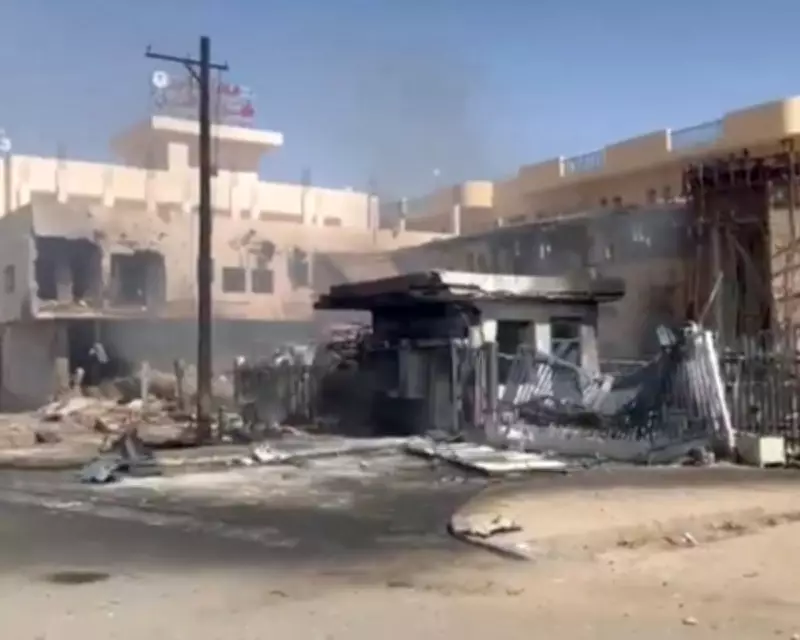
The WHO has verified dozens of attacks on healthcare facilities in Lebanon, Iran, and Israel since the escalation of regional conflicts. In a particularly devastating incident, an attack on El-Daein teaching hospital in East Darfur, Sudan killed at least 70 people, including 13 children, two nurses, and one doctor, rendering the hospital completely nonfunctional.
Nuclear and Water Infrastructure Under Threat
Dr. Balkhy expressed particular concern about potential attacks on critical infrastructure. "I am very, very worried about the potential for nuclear sites to be hit," she stated, noting that WHO officials are preparing guidance for such scenarios. The Bushehr nuclear power plant in Iran has reportedly been hit twice recently, raising alarms about radioactive contamination.
Equally troubling is the threat to water desalination plants, which Balkhy described as "a disaster" in the making. Gulf countries rely heavily on desalination for freshwater, and attacks on these facilities could leave vast populations without potable water. The WHO is collaborating with other UN agencies to develop contingency plans for such emergencies.
Long-Term Health Consequences of Conflict
Even after active hostilities cease, the health impacts will persist for years. Dr. Balkhy highlighted several concerning trends:
- Increased maternal mortality rates due to disrupted healthcare services
- Worsening mental health crises across affected populations
- Children orphaned by violence and deprived of education
- Contamination of water sources from attacks on oil and nuclear facilities
The regional director noted that rainwater can carry pollutants from damaged industrial sites into underground aquifers, potentially contaminating alternative water sources. "We are seeing this unfolding in a very dangerous way," she warned, emphasizing that only a significant de-escalation or permanent pause in hostilities can prevent further deterioration.
Neglected Crises Amid Shifting Global Attention
As international focus shifts to the US-Iran conflict, other humanitarian emergencies are being overlooked. Dr. Balkhy pointed to ongoing crises in Gaza, Sudan, and Yemen that continue to cause immense suffering without adequate global response. "Behind that neglect, there's a lot of hardship and death and sickness and illness and displacement that is going unrecognized," she lamented.
The WHO official called for renewed commitment to international humanitarian law, particularly regarding the protection of medical facilities. "Let's secure the healthcare sector," she urged. "Let's not attack hospitals, health workers, and healthcare facilities and patients. Let's have at least a safe haven for them." Historically, civilians sought refuge in hospitals during conflicts, trusting they would not be targeted—a protection that has eroded in recent conflicts.




