
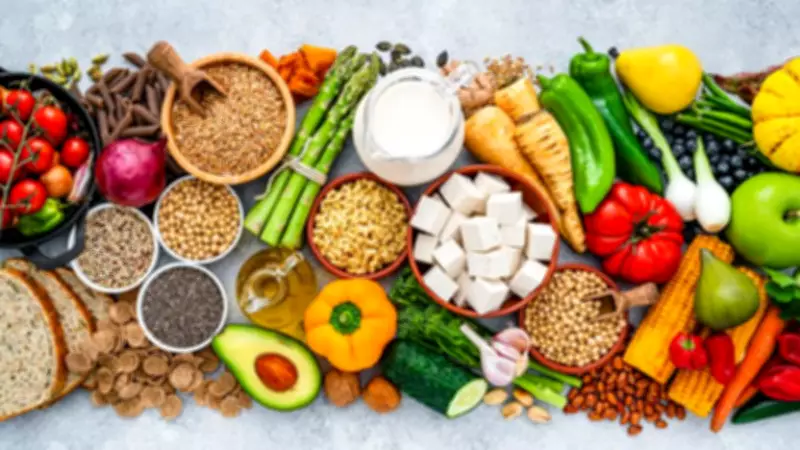
Vegetarian Diet Linked to Significant Reduction in Cancer Risk, Oxford Study Finds
In a groundbreaking study from the University of Oxford, researchers have discovered that adopting a vegetarian diet can slash the risk of developing five specific types of cancer by as much as 30%. This comprehensive analysis, the largest of its kind, provides new insights into how dietary choices impact cancer prevalence, though it also highlights some unexpected risks for vegetarians and vegans.
Key Findings on Cancer Risk Reduction
The study, published in the British Journal of Cancer, involved data from over 1.64 million meat eaters and various other dietary groups, including 63,147 vegetarians and 8,849 vegans. Researchers found that vegetarians exhibited a markedly lower risk compared to meat eaters for several cancers. Specifically, vegetarians had a 21% reduced risk of pancreatic cancer, a 9% lower risk of breast cancer, a 12% decreased risk of prostate cancer, a 28% lower risk of kidney cancer, and a 31% reduced risk of multiple myeloma, a type of blood cancer.
These findings suggest that the absence of meat, particularly processed and red meats, in vegetarian diets may play a crucial role in cancer prevention. Processed meats like ham, bacon, and salami have long been associated with increased risks of bowel and stomach cancers, while red meats such as beef, pork, and lamb are also linked to higher cancer rates.
Unexpected Risks and Nutrient Deficiencies
However, the study also uncovered some concerning trends. Vegetarians were found to have nearly double the risk of oesophageal squamous cell carcinoma, the most common type of oesophageal cancer, compared to meat eaters. Researchers hypothesize that this increased risk might stem from deficiencies in key nutrients that are more abundant in animal-based foods.
Additionally, vegans showed a higher risk of bowel cancer relative to meat eaters, though this finding requires further investigation due to the small number of cases in the vegan group. The study noted that vegans typically consume lower levels of calcium—averaging 590 milligrams per day against a recommended 700 milligrams—which could contribute to this elevated risk, as calcium is known to lower bowel cancer risk.
Methodology and Global Data Analysis
Conducted by Oxford Population Health and funded by the World Cancer Research Fund, the study examined 17 different cancers, including those affecting the gastrointestinal tract, lung, reproductive system, urinary tract, and blood. Food intake was assessed using questionnaires that captured dietary habits over the previous 12 months or a typical diet. Factors such as body mass index were controlled for to ensure accuracy.
The research incorporated data from various international studies, with most participants hailing from the UK and US. This global perspective strengthens the validity of the findings, though researchers caution that more work is needed to determine whether it is overall meat consumption or specific components of vegetarian diets that drive the observed cancer risk differences.
Expert Insights and Recommendations
Dr. Aurora Perez Cornago, the study's principal investigator, emphasized that vegetarians typically consume more fruits, vegetables, and fiber while avoiding processed meats, which may contribute to their lower cancer risks. She noted, The higher risk of oesophageal squamous cell carcinoma in vegetarians and bowel cancer in vegans may relate to lower intakes of certain nutrients more abundant in animal foods. Further research is essential to fully understand these mechanisms.
Tim Key, an emeritus professor of epidemiology at Oxford Population Health and co-investigator, commented that the differences in cancer rates between vegetarians and meat eaters are not very big and might not fully explain the results. He suggested that the findings could be more directly related to meat consumption itself rather than just the healthiness of vegetarian diets.
Experts advise that to reduce cancer risk, individuals should focus on meals centered around whole grains, pulses, fruits, and vegetables, while avoiding processed meats and limiting red meat intake. This balanced approach aligns with the study's implications, highlighting the complex interplay between diet and cancer prevention.




