
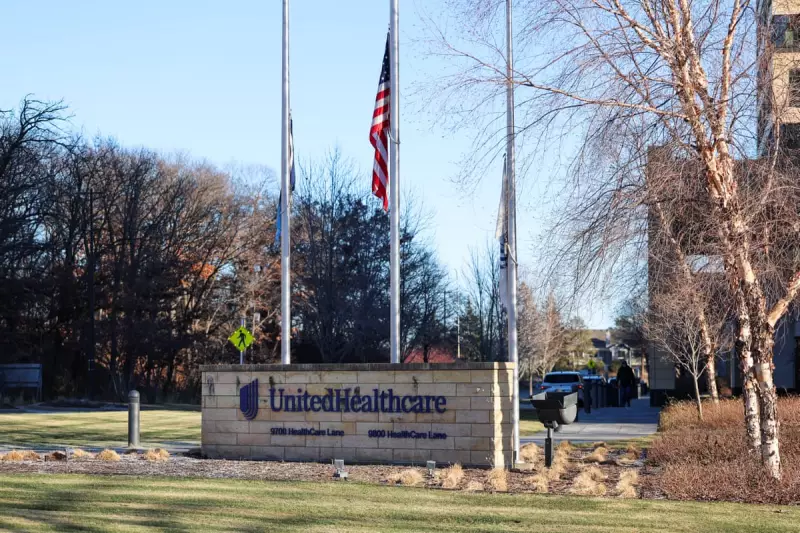
A powerful US Senate committee has launched a major investigation into healthcare giant UnitedHealth Group, following serious allegations of substandard care within nursing homes it manages through a complex network of subsidiaries.
Billions in Public Funds Under Scrutiny
The Senate Finance Committee, led by Chairman Ron Wyden, is demanding answers from UnitedHealth's chief executive. The probe centres on the company's performance within the skilled nursing facility (SNF) sector, where it operates via its subsidiary, Optum, and other affiliated entities.
According to the committee, these UnitedHealth-controlled companies manage care for approximately 165,000 elderly and disabled residents across the United States. This arrangement is funded by lucrative government contracts under the Medicaid and Medicare programmes, which are financed by taxpayers.
The inquiry was triggered by a series of investigative reports from The New York Times. These reports painted a disturbing picture of understaffing, neglect, and preventable patient harm in facilities linked to UnitedHealth's business model. The committee's letter to the company cites "troubling reports" suggesting care quality has been sacrificed for corporate profit.
A Web of Subsidiaries and Financial Flows
At the heart of the investigation is the financial structure of UnitedHealth's nursing home operations. The committee is scrutinising how funds flow between different parts of the corporate empire.
UnitedHealth, through Optum, provides both medical care and pharmacy services to nursing homes. It also offers management and consulting services through another subsidiary, NaviHealth. This creates a situation where UnitedHealth effectively controls multiple, revenue-generating aspects of a facility's operations.
Senator Wyden's committee has raised specific concerns that this model creates a conflict of interest. They question whether decisions about patient care—such as the duration of a stay or the type of medication prescribed—are being made in the best interest of residents or to maximise corporate revenue from public coffers.
The financial stakes are enormous. The Senate committee revealed that just one of UnitedHealth's SNF-focused payment programmes received over $2.2 billion from Medicare in a single year. This highlights the vast scale of public money involved in the contracts now under examination.
Demands for Transparency and Accountability
The Senate Finance Committee has issued a formal request for a trove of documents from UnitedHealth. The demands are extensive and designed to uncover the inner workings of its nursing home business.
Lawmakers have asked for detailed information on staffing levels, patient outcomes, and financial data across all facilities under its influence. They also want all internal audits, compliance reports, and communications related to care quality and government billing from the past six years.
UnitedHealth has been given a deadline of 29 January 2026 to comply with the request. The company has stated it received the committee's letter and is in the process of reviewing it. In previous statements, UnitedHealth has defended its record, asserting that its integrated model improves care coordination and outcomes for a vulnerable population.
This Senate inquiry represents one of the most significant regulatory challenges UnitedHealth has faced regarding its nursing home operations. The outcome could lead to major policy changes, stricter oversight, and potential financial repercussions for the healthcare behemoth, which is the largest of its kind in the United States by revenue.
The investigation underscores growing bipartisan concern in Washington about the quality of elderly care and the stewardship of taxpayer funds within the privatised segments of America's healthcare system.




