
Experts Challenge RFK Jr's Vaccine Advisor Over Questionable Research
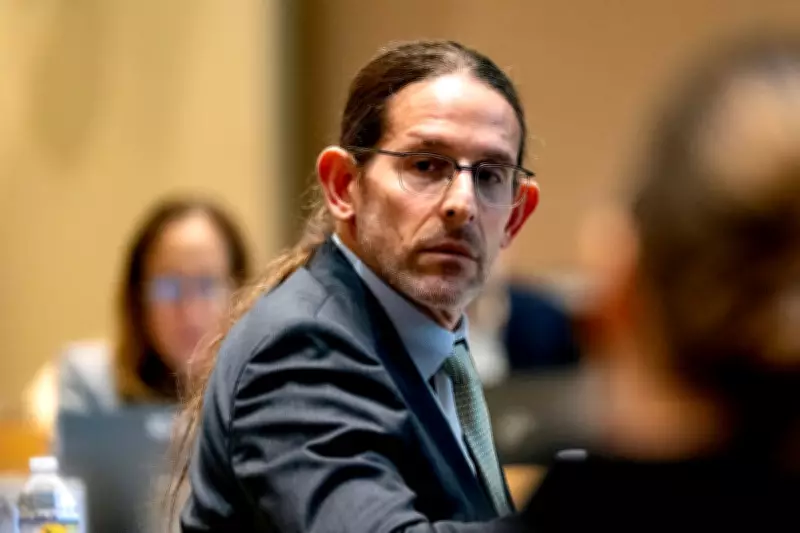
Retsef Levi, an MIT professor appointed by Robert F Kennedy Jr to review the safety of Covid-19 vaccines, is under fire from more than a dozen scientists and public health experts. They argue that his research on the topic fails to meet basic scientific standards, casting doubt on his role in shaping vaccine policy.
Controversial Appointment to Vaccine Advisory Panel
Levi, a professor of operations management, holds a seat on the U.S. Health and Human Services Department's Advisory Committee on Immunization Practices (ACIP). This committee, once regarded as the international gold standard for vaccine decision-making, has faced criticism after Kennedy dismissed 17 voting members, including doctors and epidemiologists, replacing them with individuals accused of undermining public trust in vaccines without factual basis. The ACIP is set to meet later this month, with many experts fearing it may seek to roll back recommendations on Covid-19 vaccine eligibility.
Allegations of Misleading Research and Agenda-Driven Approach
A Guardian review of Levi's record reveals that numerous experts have criticized his research papers as misleading. Some have accused him of approaching the topic with a pre-determined agenda rather than genuine scientific inquiry. Levi, who is not a physician or vaccine expert, now heads ACIP's special immunizations work group on Covid-19. He has previously claimed that Covid-19 vaccines are the most failing medical product in history, despite extensive research showing their safety and efficacy. For instance, a 2022 study in The Lancet estimated that these vaccines saved nearly 20 million lives in their first year of availability.
Specific Criticisms and Professional Rebuttals
Dr. Sharon Alroy-Preis, former head of Israel's public health services, recounted reviewing a draft paper by Levi in 2021 that suggested a correlation between Israel's vaccination rate and emergency calls for cardiac arrest. She noted that during a meeting, Levi appeared unfamiliar with data collection methods and seemed uninterested in addressing professional concerns, insisting he was right without evidence. Nadav Davidovitch, an epidemiologist and public health physician, described Levi as becoming more radical over time, particularly regarding child vaccinations, and attracting conspiratorial followers on social media.
Levi defended his credentials in a statement, citing over two decades of experience at MIT in evaluating risk-benefit trade-offs in healthcare and public health systems. He asserted that his papers are factual, balanced, and rigorous. However, critics point to specific studies, such as one published in Scientific Reports in 2022 linking vaccines to cardiovascular side-effects, which was heavily criticized for methodological flaws. Despite a correction issued after investigation, the paper was never retracted and has been widely shared, potentially fueling vaccine hesitancy.
Broader Implications for Vaccine Policy and Public Trust
Other work by Levi, including an unpublished paper co-authored with Florida surgeon general Joseph Ladapo suggesting higher mortality in Pfizer vaccine recipients, has been labeled sloppy and lacking rigor by experts like Elizabeth Jacobs, a professor emerita at the University of Arizona. Jess Steier, executive director of the Center for Unbiased Science & Health, highlighted a pattern in Levi's research of using designs that cannot establish causation, with findings often weaponized to support unsubstantiated claims of vaccine harm.
The HHS spokesperson dismissed criticisms as politically motivated, emphasizing Levi's qualifications and the need for hard questions to restore public trust. The upcoming ACIP meeting agenda includes discussions on Covid-19 vaccine injuries, long Covid, and potential changes to recommendation methodologies. Dr. Jake Scott, an infectious diseases specialist at Stanford, expressed concern that the committee might rely on unpeer-reviewed data to justify restrictions, questioning whether the review is genuine or predetermined.
Dr. Scott, who witnessed the life-saving impact of vaccines firsthand during the pandemic, warned of the high stakes involved, noting that misinformation continues to erode trust in public health. As debates over vaccine safety intensify, the integrity of advisory panels like ACIP remains crucial for evidence-based policy and public confidence.




