
NHS Accused of 'Systematically Ignoring' Millions with Rare Genetic Conditions
A damning new report has revealed that the NHS is "systematically ignoring" millions of people living with rare genetic conditions across the UK, leading to inadequate care and significant delays in diagnosis. The research, conducted by the charity Genetic Alliance UK, surveyed 290 individuals with rare conditions and found that one in four had to wait at least three years for a diagnosis despite actively seeking NHS care.
Diagnosis Delays and Treatment Lottery
Rare genetic conditions, such as Williams syndrome and Duchenne muscular dystrophy, affect more than 3.5 million people in the UK, with one in 17 individuals impacted at some point in their lives. The report highlights an "access lottery" for treatments, where only 5% of rare conditions have approved and licensed therapies available. Additionally, just one in 10 adults reported having a professional care coordinator to manage appointments and follow-ups, exacerbating the challenges faced by patients.
Personal Stories Highlight Systemic Failures
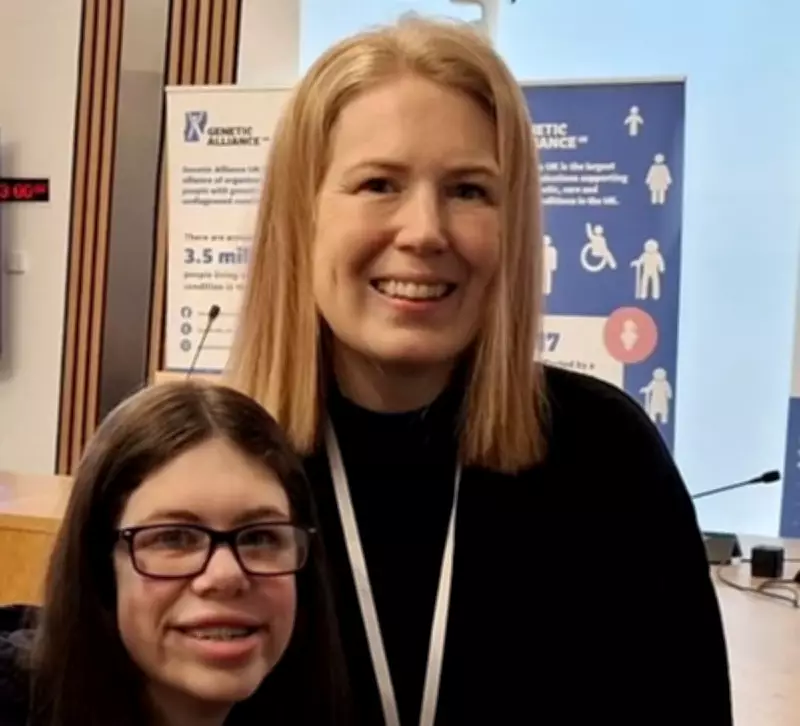
Ali Reed shared her experience with her daughter Emma, who has Williams syndrome—a condition affecting about one in 18,000 people in the UK. Williams syndrome, caused by chromosomal issues, can lead to delayed development, mild to moderate learning disabilities, and increased cardiovascular risks. Reed noted that healthcare professionals did not question Emma's development until she was nine months old, with diagnosis taking another year. "During our diagnosis journey, what I found strange is that we had three or four healthcare professionals who had met other children with Williams syndrome, but didn't see it in Emma," Reed said. "Once you know what Williams syndrome is, it's not difficult to recognise people with it because they tend to share similar facial characteristics."
Transition to Adult Care Raises Concerns
Emma, now preparing to transition from paediatric to adult care after 13 years under the same paediatrician, faces uncertainty. Reed expressed worries about the quality of care her daughter will receive, stating, "Emma's paediatrician has been excellent and she's coordinated everything, but soon Emma will transition to adult services where she's seen by a GP. Only one in about 30 GPs have heard of Williams syndrome, so it's a concern to me that Emma won't get the level of care she needs."
NHS Structure Ill-Equipped for Rare Conditions
Nick Meade, chief executive of Genetic Alliance UK, criticized the NHS for being ill-equipped to handle rare genetic conditions. "In the main, the NHS does an excellent job of looking after us when we need it, but this isn't true for everyone. In fact, for those of us living in the UK with a rare condition, it can be quite the reverse," Meade explained. He added that the healthcare model's rigid care pathways focus on common conditions, lacking flexibility for rare, complex cases that require multidisciplinary expertise. "It essentially penalises people for having the 'wrong' kind of condition and has a serious detrimental effect on the millions of people in our country living with a rare condition."
Lack of Guidance and Specialised Services
An analysis of the 163 most prevalent rare conditions from the European Orphanet database found that only 26% were supported by National Institute for Health and Care Excellence (NICE) guidance. For 79 conditions where an English commissioner could be identified, more than half (55%) did not have a specialised service available. The charity has called for urgent action, recommending the funding and development of a comprehensive rare condition registry across the UK, alongside increased research investment into rare genetic conditions to improve patient outcomes and healthcare accessibility.




