
MPs Challenge NHS International Workforce Reduction Targets
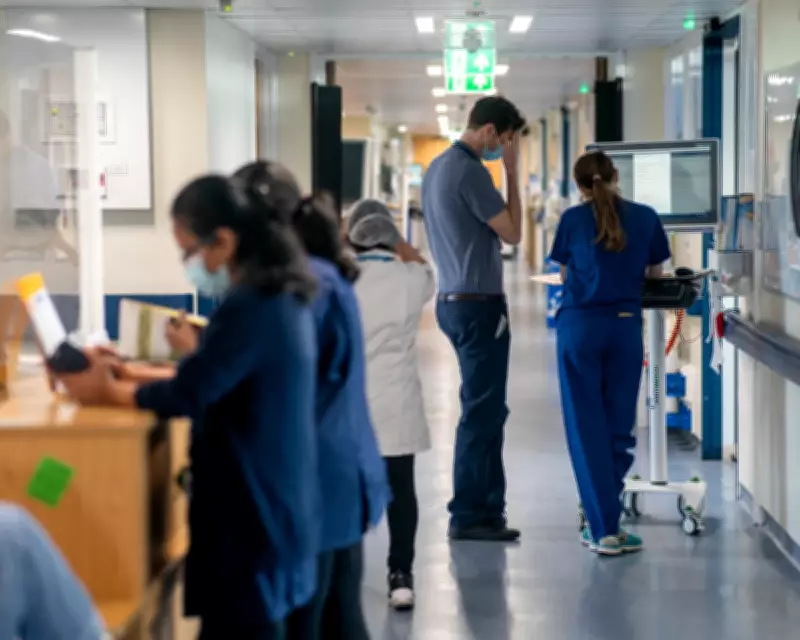
Ministers' plans to significantly reduce the international workforce within NHS England have been labeled as overambitious by Members of Parliament. This criticism comes as a new report reveals the health service has saved more than £14 billion by recruiting doctors, nurses, and midwives from overseas.
Substantial Overseas Workforce in UK Healthcare
The all-party parliamentary group on global health and security found that thirty-six percent of UK doctors and twenty-four percent of nurses and midwives received their training elsewhere in the world. This substantial reliance on international health professionals means the government's aim to reduce international recruitment to approximately ten percent by 2035 appears unrealistic according to parliamentary analysis.
"The NHS has not operated at that level for decades," stated Andrew Mitchell, the former development minister who chaired the inquiry. He emphasized that while growing domestic workforce capacity remains crucial, "pretending health workforces are purely national assets is no longer credible" in today's interconnected world.
Global Health Implications and Ethical Concerns
The parliamentary investigation uncovered significant ethical dimensions to international recruitment practices. Many countries from which the UK recruits healthcare professionals are themselves struggling with severe staff shortages, creating complex moral questions about workforce extraction versus partnership.
Representatives from Kenya and Uganda testified to the inquiry about losing substantial numbers of experienced doctors, nurses, and clinical educators to international recruitment. They warned this brain drain would have detrimental effects on:
- Training the next generation of health workers
- Patient safety standards
- Overall quality of healthcare delivery
Financial Benefits and Training Costs
Analysis conducted by Global Health Partnerships and the Center for Global Development revealed the substantial financial advantages of international recruitment. Using conservative estimates, they calculated that:
- Training a doctor in the UK costs taxpayers approximately £120,000
- Training a nurse costs about £23,000
These figures include elements such as subsidized university places and paid clinical training, highlighting why international recruitment represents such significant savings for the NHS.
Current Agreements and Future Recommendations
The report found that while the UK has signed agreements with many recruitment source countries, these arrangements typically "solely manage the mechanics of mobility" rather than linking recruitment to sustained investment in training and retention that could offset negative impacts.
The parliamentary group recommended establishing a fairer system where international recruitment would be balanced by proportionate investment in:
- Health workforce development in partner countries
- Health system strengthening initiatives
- Global health partnerships
"A model based on partnership rather than extraction offers a path that aligns moral responsibility with national interest," the report concluded.
Global Context and Workforce Statistics
The World Health Organization forecasts a global shortage of 11 million health workers by 2030, creating intense competition for medical talent worldwide. Currently, almost a quarter of the world's doctors, nurses, and midwives are concentrated in just ten high-income countries.
Stark disparities exist in healthcare workforce density:
- United Kingdom: Approximately 30 doctors per 10,000 people
- India: 9 doctors per 10,000 people
- Philippines: 6 doctors per 10,000 people
- Ghana: 1 doctor per 10,000 people
Government Response and Policy Directions
A Department of Health and Social Care spokesperson acknowledged the NHS benefits significantly from international staff while emphasizing the importance of developing domestic talent. The spokesperson stated the government is making "bold choices to focus on the recruitment and retention of homegrown doctors and nurses" while ensuring British taxpayers see returns on their investment in medical training.
Dr. Beccy Cooper, chair of the APPG, summarized the complex balancing act: "International health workers are part of the NHS's DNA. Supporting homegrown talent and ethical international recruitment are not competing goals – they are both essential."
The report's publication coincides with revelations that the government is ending a flagship health project supporting development and training for healthcare staff in six African countries, as part of broader aid reductions redirected toward defense spending.




